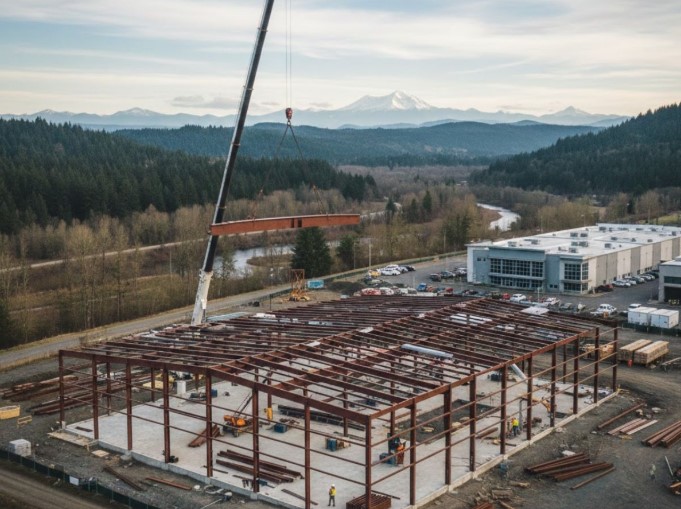
Expanding a business often requires additional space, durable infrastructure, and long-term cost efficiency. Companies looking for flexibility and rapid construction timelines frequently consider commercial steel building construction as a viable solution. These structures provide the strength and adaptability necessary for warehouses, factories, or office expansions while minimizing ongoing maintenance challenges. By assessing growth needs early, businesses can plan strategically and avoid costly renovations later. Professional guidance ensures projects align with operational goals, and partnering with experienced contractors helps maintain quality and budget compliance throughout the construction process.
Understanding the Benefits of Steel Construction
Commercial steel structures offer numerous advantages over traditional building materials. Their inherent strength allows for larger spans without interior supports, maximizing usable space. A well-designed commercial steel building construction project provides resistance to fire, pests, and harsh weather conditions, ensuring long-term safety and reliability. Additionally, steel components can be prefabricated off-site, reducing on-site construction time and minimizing disruptions to ongoing operations. This efficiency translates into quicker occupancy, lower labor costs, and the ability to adapt the building to future expansions.
Assessing Business Growth Needs
Before committing to a steel structure, businesses must evaluate their growth trajectory. If projections indicate a need for large storage areas, specialized manufacturing floors, or flexible office layouts, commercial steel building construction may provide the adaptability required. Steel buildings enable modular designs, making future expansions or reconfigurations simpler and more cost-effective than with traditional materials. For example, a logistics company that initially requires a single warehouse can later expand by adding adjoining steel bays or mezzanine levels as inventory volumes increase, without disrupting daily operations.
Financial Considerations and ROI
Cost efficiency is a major factor driving the choice of steel buildings. While initial investment may appear higher than conventional construction, long-term savings are significant. A commercial steel building construction project reduces maintenance, insurance premiums, and repair costs due to the material’s durability. Faster construction timelines also limit financing costs and lost revenue from delayed operations. For businesses focused on maximizing return on investment, evaluating these financial benefits alongside operational advantages helps justify the decision to invest in steel infrastructure.
Compliance, Safety, and Sustainability
Steel buildings comply with stringent building codes and offer superior safety features. Professionals ensure that every commercial steel building construction project meets structural, fire, and environmental regulations. Additionally, steel is highly recyclable, making it a sustainable choice for companies seeking eco-friendly solutions. From reducing waste on-site to using materials with long lifespans, steel construction aligns with both regulatory requirements and corporate social responsibility objectives. This combination of safety and sustainability enhances the property’s long-term value.
When to Consult Experts
Partnering with qualified contractors early in the planning process ensures a smooth construction experience. Experienced professionals provide guidance on site evaluation, material selection, and layout optimization. By leveraging their knowledge, companies can address potential design challenges, anticipate future needs, and stay within budget. Their involvement also helps streamline permitting processes and ensure compliance with local building codes and safety standards. Additionally, expert input at the planning stage supports accurate scheduling and resource allocation, preventing unexpected setbacks during construction. Early collaboration with experts ensures that a commercial steel building construction project meets both functional and financial objectives while reducing the risk of costly revisions or delays.
Conclusion
Choosing steel for commercial construction supports growth, adaptability, and long-term efficiency. By understanding operational needs, financial benefits, and sustainability advantages, businesses can make informed decisions when planning expansions. Engaging experienced professionals ensures quality execution, regulatory compliance, and a structure that supports evolving business demands. Collaborating with a trusted steel erection company guarantees that every commercial steel building construction project delivers durability, scalability, and strategic value for the organization.