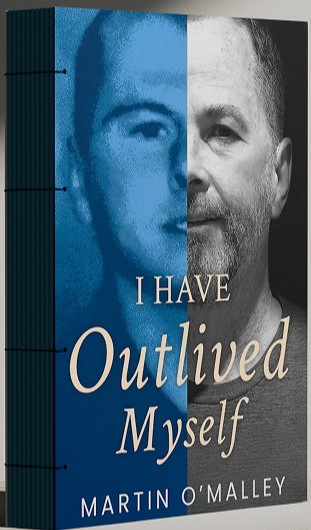
Life has a strange way of testing us when we least expect it. One moment, everything feels steady. The next, the ground shifts beneath our feet. In I Have Outlived Myself, the journey from heartbreak to hope becomes more than just a story—it becomes a roadmap for resilience.
When we look at the public life of Martin O’Malley, we often see the polished speeches, the campaigns, the leadership. But beneath the surface lies something more powerful: a deeply human story about loss, reinvention, and refusing to give up. And isn’t that something we can all relate to?
In this article, we’ll explore how tragedy can shape us, how resilience is built, and what lessons we can take into our own lives. Because at the end of the day, resilience isn’t about politics or public image. It’s about survival. It’s about growth. It’s about you and me.
The Meaning Behind I Have Outlived Myself
A Title That Speaks Volumes
What does it mean to “outlive” yourself?
At first glance, it sounds almost haunting. But look closer, and it feels empowering. It suggests growth beyond old fears, old identities, and even old failures. It’s about becoming someone stronger than the person you once were.
The title reflects transformation. It tells us that pain does not define the end of a story. Instead, it can mark the beginning of a better one.
Understanding Personal Tragedy
Tragedy Is Universal
We all face moments that shake us. Loss. Public failure. Personal disappointment. Health struggles. Broken dreams.
Martin O’Malley’s journey includes intense public scrutiny and political defeats. For many people, losing a campaign—especially on a national stage—would feel like the end. But here’s the truth: failure is not fatal.
The Weight of Public Life
Serving as Governor of Maryland and Mayor of Baltimore brought enormous responsibility. Decisions affected millions. Criticism was constant.
Imagine living your hardest days under a spotlight. That kind of pressure can break a person—or build one.
The Turning Point: Choosing Growth Over Defeat
Resilience Is a Choice
Here’s a question: When life knocks you down, what do you do?
Resilience doesn’t magically appear. It’s chosen. It’s built slowly, like muscles after months at the gym. Each setback becomes a repetition that strengthens you.
After political setbacks, Martin O’Malley didn’t disappear. He recalibrated. He learned. He continued to serve in different capacities.
Redefining Success
Success isn’t always winning. Sometimes it’s standing back up. Sometimes it’s learning what didn’t work and trying again with humility.
Think of it like a phoenix rising from ashes. The ashes are still part of the story—but they don’t get the final word.
Leadership Under Pressure
Crisis as a Classroom
Leadership isn’t tested on easy days. It’s tested during crises—economic downturns, crime waves, political opposition.
During challenging times in Maryland, tough decisions had to be made. Those moments shaped not only policies but personal character.
Courage in the Face of Criticism
Criticism can sting. Public criticism can feel brutal. Yet resilience requires thick skin and a steady heart.
True leadership isn’t about pleasing everyone. It’s about staying grounded when storms hit.
The Role of Community in Healing
No One Triumphs Alone
Have you ever noticed how healing often comes through connection?
Family, friends, colleagues—they form a safety net. For public figures, that network becomes even more vital. Without support, the weight of public life can feel unbearable.
Public Service as Shared Responsibility
As a member of the Democratic Party, Martin O’Malley operated within a broader community of leaders and advocates. Politics may seem individual, but real progress is collective.
Resilience grows when we lean on others—and when others lean on us.
Faith, Family, and Inner Strength
Private Anchors in Public Storms
Behind every public figure is a private life. Family often provides grounding when everything else feels uncertain.
When careers rise and fall, relationships remain. That constancy becomes fuel for resilience.
Faith as a Compass
Whether spiritual or deeply personal, faith can guide people through dark times. It gives meaning to suffering. It transforms hardship into purpose.
You don’t need to be religious to understand this. We all need something that steadies us when the winds blow hard.
Reinvention After Public Setbacks
Failure Is Not the Final Chapter
One of the most powerful lessons from I Have Outlived Myself is reinvention.
After national political defeat, many would retreat permanently. But reinvention means asking: “What’s next?” instead of “Why me?”
Finding New Paths to Service
Resilience often means redirecting energy rather than surrendering it. Public service can take many forms—policy work, advocacy, mentoring, writing.
Sometimes doors close so others can open.
Lessons in Political Resilience
Politics as a Marathon
Political life is not a sprint. It’s a marathon with hills, rain, and unexpected turns.
Martin O’Malley’s journey shows that longevity requires adaptability. Policies evolve. Voters change. Circumstances shift.
Staying True to Core Values
While strategies may change, values must remain steady. Resilience is not about bending to every wind. It’s about knowing which winds matter.
Integrity becomes the anchor.
Emotional Intelligence and Public Service
Listening as Strength
Resilient leaders listen. They don’t just speak.
In public service, emotional intelligence helps leaders connect with communities. It turns policies into human stories.
Empathy as Power
Empathy doesn’t make leaders weak. It makes them effective.
Understanding the struggles of citizens—job loss, education gaps, health challenges—requires emotional depth. And that depth strengthens resilience.
Resilience as a Daily Practice
Small Habits, Big Impact
Resilience isn’t built in one dramatic moment. It’s built in small daily choices:
-
Getting up early when you don’t feel like it
-
Facing criticism calmly
-
Learning from mistakes
-
Showing up consistently
It’s like building a house brick by brick.
Mental and Emotional Fitness
Just as we train our bodies, we must train our minds. Reflection, reading, exercise, and meaningful conversations strengthen resilience over time.
What We Can Learn for Our Own Lives
Your Story Isn’t Over
Maybe you’ve faced job loss. Maybe you’ve experienced heartbreak. Maybe you feel stuck.
Here’s the takeaway: You can outlive your worst chapter.
Resilience means rewriting your narrative.
Turn Pain Into Purpose
Pain can either harden us or deepen us. When we choose growth, pain becomes a teacher.
Ask yourself:
-
What did this hardship teach me?
-
How can I grow from it?
-
Who can I help because of what I’ve endured?
Those questions transform tragedy into triumph.
From Survival to Significance
Thriving, Not Just Surviving
There’s a big difference between surviving and thriving.
Survival is about endurance. Thriving is about impact.
The message behind I Have Outlived Myself reminds us that resilience is not the finish line. It’s the bridge to something greater.
Legacy Beyond Loss
In public life, legacy matters. But in personal life, impact matters even more.
How do you treat others when you’re hurting?
How do you respond when you fail?
How do you rise?
Those choices define your true legacy.
Conclusion:
Tragedy touches every life. It doesn’t ask for permission. It doesn’t check our schedules.
But triumph? Triumph is chosen.
The story reflected in I Have Outlived Myself and the public journey of Martin O’Malley show us something simple yet powerful: setbacks do not erase potential. They refine it.
You and I may not run for office. We may never stand at a podium. But we will face our own battles. And when we do, we can remember this:
You can outlive your doubts.
You can outlive your failures.
You can outlive your fear.
Resilience isn’t about never falling. It’s about rising—again and again—until the person you become is stronger than the one who first stumbled.
And that is triumph.
FAQs
1. What is the main theme of I Have Outlived Myself?
The main theme centers on resilience—overcoming personal and public setbacks to emerge stronger and more purposeful.
2. How does Martin O’Malley demonstrate resilience in his career?
He continued serving in public roles despite political defeats and intense public scrutiny, showing adaptability and commitment to his values.
3. Why is resilience important in leadership?
Leadership involves criticism, pressure, and uncertainty. Resilience helps leaders stay focused, make thoughtful decisions, and maintain integrity during crises.
4. Can ordinary people apply the lessons from this story?
Absolutely. Resilience applies to everyday struggles like job loss, family challenges, and personal setbacks. The principles are universal.
5. How can someone start building resilience today?
Begin with small daily habits: reflect on challenges, learn from mistakes, seek support from others, and focus on long-term growth rather than short-term failure.