Mole removal is a common dermatological procedure aimed at eliminating benign or potentially problematic moles. After undergoing Mole Removal Abu Dhabi, patients often wonder about the recovery process and what to anticipate in the days and weeks following the treatment. Understanding the post-procedure expectations can help ensure proper care, promote healing, and achieve the best possible results. This guide provides detailed insights into the typical healing process, aftercare tips, and what signs to watch for, ensuring patients are well-informed and confident in their recovery journey.
The Immediate Post-Treatment Phase
What Happens Right After Mole Removal?
Immediately following the procedure, the treated area will be cleaned and possibly dressed with a sterile bandage. Patients may experience mild discomfort, swelling, or redness, which are normal responses to the skin being affected. The area may also feel tender or sensitive to touch. The healthcare provider will give specific instructions on how to care for the wound, including how to change dressings if necessary. It’s crucial to keep the site clean and dry to prevent infection and promote optimal healing.
Managing Discomfort and Swelling
Most patients experience some degree of discomfort, which can be managed with over-the-counter pain relievers as recommended by the healthcare provider. Swelling and minor bleeding can also occur but typically resolve within a few days. Applying a cold compress can help reduce swelling and soothe the area. It’s important to follow the provider’s advice on activity restrictions during this initial phase to avoid unnecessary strain on the wound.
The Healing Process
The Formation of a Scab and Wound Healing
Within a few days, a scab will form over the wound as part of the natural healing process. This scab protects the underlying tissue and prevents infection. It’s vital not to pick at or disturb the scab, as this can delay healing and increase the risk of scarring. As the wound heals, new skin will gradually emerge beneath the scab. The healing timeline varies depending on the size and location of the removed mole, but most superficial wounds heal within one to two weeks.
Changes in the Skin and Appearance
During healing, the treated area may appear pink or red, especially in the early stages. The skin might feel tender or slightly itchy as it regenerates. Over time, the redness will fade, and the skin will become more even in tone. Proper wound care, including gentle cleansing and moisturizing, can enhance healing and reduce the likelihood of scarring.
Post-Procedure Care and Tips
Keeping the Area Clean and Moisturized
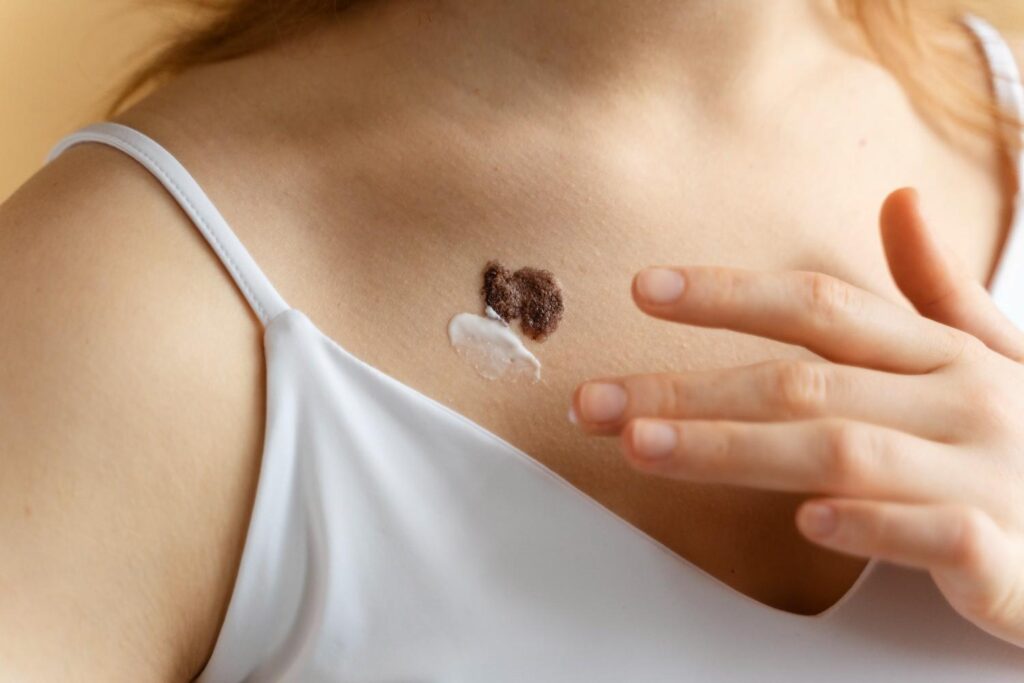
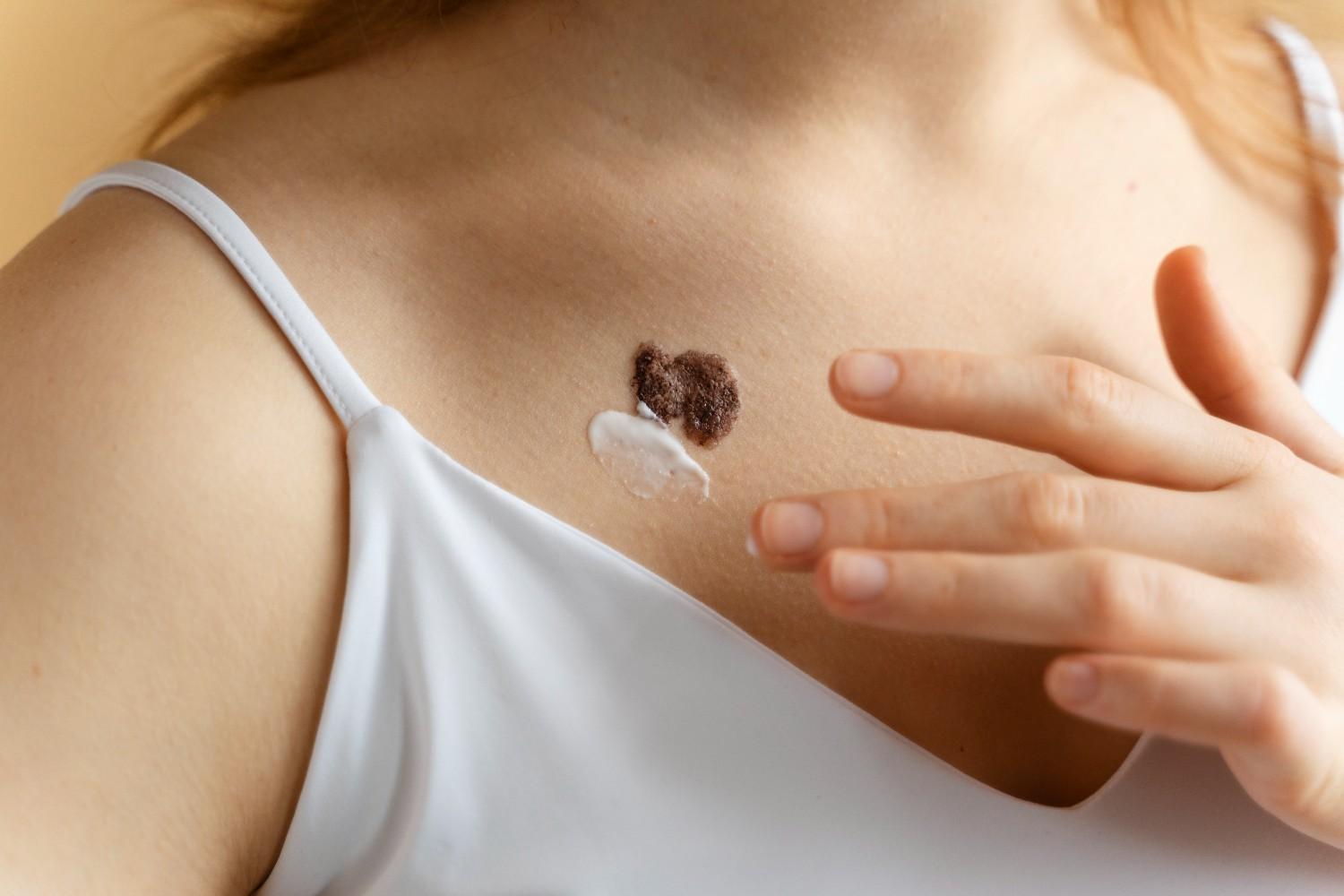
Maintaining cleanliness is essential to prevent infection. Gently cleanse the area with mild soap and water, avoiding harsh scrubbing. Applying a prescribed or recommended antibiotic ointment can help keep the wound moist and protected. Moisturizing the area with a gentle, non-irritating lotion can also foster faster healing and minimize scarring.
Protecting from Sun Exposure
Sun exposure can darken scars and cause pigmentation changes. Patients are advised to keep the healing area covered or apply a broad-spectrum sunscreen with high SPF when outdoors. Protecting the skin from UV rays is crucial for achieving a smooth, even skin tone post-healing.
Activity Restrictions and Lifestyle Adjustments
Patients should avoid strenuous activities or movements that may strain the treated site during the initial healing period. Additionally, activities that risk injury to the area should be avoided until fully healed. Wearing loose, comfortable clothing can help prevent irritation and friction on the wound.
What to Watch For During Recovery
Signs of Normal Healing
Common signs include mild redness, swelling, scabbing, and tenderness. These are typical parts of the healing process and usually subside within a few days to weeks. The area may also feel slightly itchy as new skin forms. Monitoring these signs helps ensure the wound heals properly and without complications.
When to Seek Medical Advice
While most post-mole removal symptoms are normal, certain signs warrant prompt medical attention. These include excessive bleeding, increasing pain, signs of infection such as pus or foul odor, or if the wound does not seem to be healing after a couple of weeks. Early intervention can prevent complications and promote better healing outcomes.
Long-Term Expectations and Results
Scar Formation and Minimizing Scarring
Scarring is a natural part of the healing process. However, with proper care, scars can be minimized and made less visible over time. Techniques such as silicone gel sheets, massage, and sun protection can help improve scar appearance. Patients should follow their healthcare provider’s advice on scar management to achieve the best aesthetic results.
Skin Regeneration and Final Appearance
Most scars fade considerably within a few months, revealing smoother, even-toned skin. The final appearance depends on individual healing factors, the size of the removed mole, and adherence to aftercare instructions. Patience and diligent care can significantly influence the cosmetic outcome.
Special Considerations for Different Skin Types
Healing Differences in Various Skin Tones
Individuals with different skin tones may experience variations in healing and scar appearance. Darker skin may be more prone to hyperpigmentation or keloid formation. Customized post-care routines, including sun protection and scar management, can address these concerns effectively.
The Role of Professional Follow-Up
Regular follow-up appointments allow healthcare providers to monitor healing, address any concerns, and provide additional treatments if necessary. These visits are crucial for ensuring optimal recovery and aesthetic results, especially for highly visible areas.
Final Thoughts: What to Expect After Mole Removal at Enfield Royal Clinic Abu Dhabi
Patients opting for mole removal at reputable clinics like Enfield Royal Clinic Abu Dhabi can expect a professional and personalized approach to post-treatment care. The clinic emphasizes patient education, meticulous wound management, and follow-up support to ensure swift healing and satisfying results. Adhering to the provided aftercare instructions and maintaining open communication with healthcare providers are key to a smooth recovery process.
FAQs
Q1: How long does it take for the treated area to fully heal?
Most superficial wounds heal within one to two weeks, but complete skin regeneration and scar maturation can take several months.
Q2: Can I apply makeup or skincare products on the treated area during healing?
It’s best to avoid applying makeup or potentially irritating skincare products until the wound has fully healed and the skin has stabilized.
Q3: Will I have a scar after mole removal?
While scars are a natural part of healing, proper aftercare can minimize their appearance. Scars typically fade over time and can become less noticeable with treatments if necessary.
Q4: How can I reduce the appearance of scars post-healing?
Using silicone gel sheets, sun protection, gentle massage, and following scar management routines recommended by your healthcare provider can help reduce scar visibility.