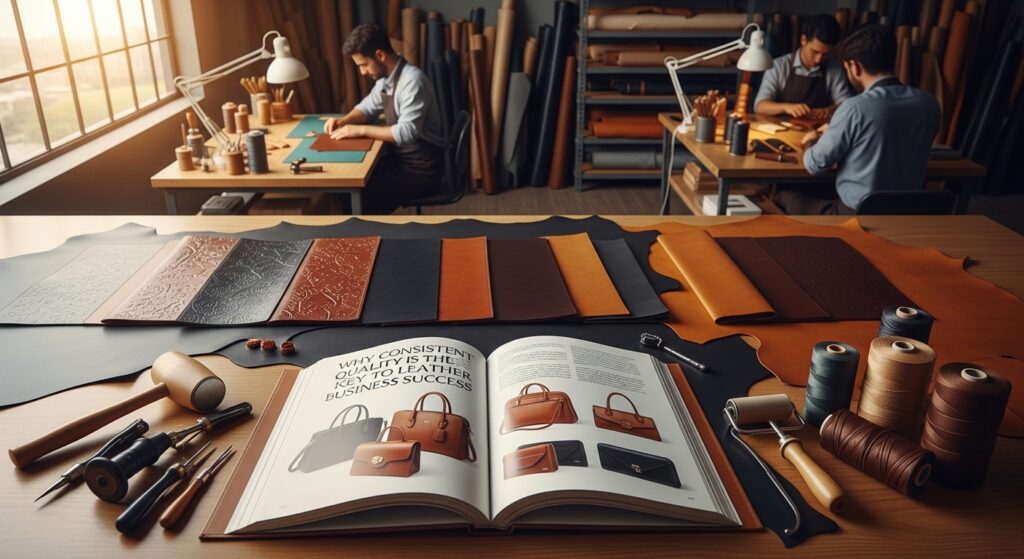
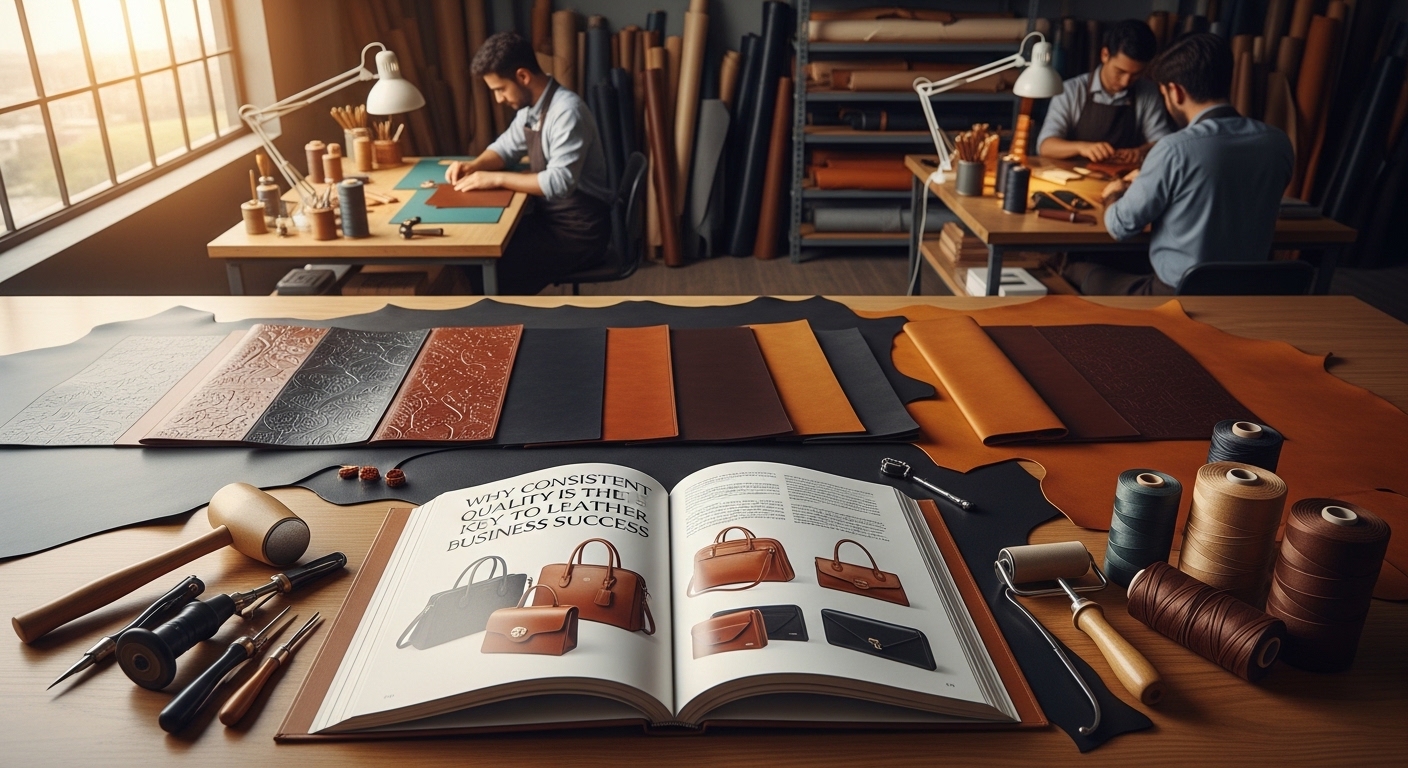
In the global leather industry, competition is intense, customer expectations are constantly rising, and market standards continue to evolve. In this dynamic landscape, consistent quality in leather products is not just an objective, it is the foundation of long-term business success. Whether a company produces leather hides, accessories, footwear materials, or finished goods, maintaining uniform quality across every batch directly impacts brand reputation, operational efficiency, and customer satisfaction. Choosing a reliable premium leather manufacturer ensures that businesses receive dependable materials that meet international standards and production requirements.
Businesses that prioritize strict quality control processes gain a strong competitive advantage in both local and international markets. Reliable quality builds trust with buyers, encourages repeat orders, and strengthens long-term partnerships. On the other hand, inconsistent products can damage credibility, lead to rejected shipments, and result in lost opportunities. For leather manufacturers aiming to grow sustainably, consistency is not optional it is essential.
Understanding Quality in the Leather Industry
Quality in leather manufacturing refers to the durability, texture, color consistency, finish, flexibility, and overall performance of leather materials. Buyers from fashion brands to furniture manufacturers expect leather to meet strict specifications. Even minor variations in thickness, dye shade, or surface finish can affect production outcomes for clients.
Leather quality standards typically involve:
- Uniform thickness and grain structure
- Proper tanning and finishing processes
- Color consistency across batches
- Strength and durability
- Minimal defects or scars
Why Consistent Quality Matters More Than Ever
1. Builds Strong Brand Reputation
A leather business thrives on reputation. Buyers prefer suppliers who deliver reliable products every time. If a manufacturer provides excellent leather in one shipment but inconsistent material in the next, clients may switch to competitors.
Consistent leather quality signals professionalism, reliability, and expertise. Over time, it positions a company as a trusted brand in domestic and international markets.
2. Strengthens Customer Loyalty
Customer retention is more profitable than constantly acquiring new clients. When buyers receive uniform leather quality in every order, they develop confidence in the supplier’s processes. This reliability reduces risk for their own production lines.
For example, a footwear manufacturer sourcing leather for large-scale production requires uniform color and texture across all pieces. If the leather varies, it disrupts manufacturing and increases costs. Consistent quality ensures smooth operations for clients, encouraging long-term partnerships.
3. Enhances Global Market Competitiveness
Export markets demand strict compliance with international standards. Buyers in regions such as Europe and North America evaluate suppliers based on certifications, testing results, and production consistency.
Companies that maintain high-quality leather manufacturing standards can:
- Meet export regulations
- Pass quality inspections
- Secure large contracts
- Enter premium markets
4. Reduces Production Costs and Waste
Maintaining consistent quality is not only beneficial for customers it also improves internal efficiency. When production processes are standardized and monitored, manufacturers experience fewer defects, less waste, and reduced rework.
Quality-focused production leads to:
- Lower material rejection rates
- Efficient use of raw hides
- Faster production cycles
- Reduced operational costs
The Role of Quality Control in Leather Manufacturing
Leather quality control processes are essential to ensure consistency at every stage of production. From raw hide selection to final finishing, each step must be carefully monitored.
Key stages of quality control include:
Raw Material Inspection:
The quality of leather depends heavily on the condition of raw hides. Skilled inspectors evaluate hides for scars, holes, or uneven thickness before processing.
Tanning Process Monitoring:
Tanning determines leather strength, flexibility, and durability. Maintaining precise chemical ratios and timing ensures uniform results.
Color Matching and Dyeing:
Color consistency is critical, especially for large orders. Advanced dyeing techniques and color testing prevent shade variations.
Final Product Testing:
Finished leather undergoes strength, flexibility, and durability tests to ensure it meets required standards.
Businesses that invest in modern testing equipment and skilled technicians are better equipped to deliver reliable products.
How Consistent Quality Drives Customer Trust
Trust is the backbone of B2B industries like leather manufacturing. Buyers often place large orders worth thousands or millions of dollars. They need assurance that every shipment will match previous batches.
When a supplier consistently meets expectations:
- Clients feel confident placing repeat orders
- Negotiations become smoother
- Long-term contracts become possible
Impact on Product Value and Pricing
Quality consistency directly influences pricing power. Premium brands are willing to pay higher prices for leather that meets strict specifications. High-quality leather is easier to cut, stitch, and shape, reducing manufacturing errors for buyers.
Suppliers known for premium leather quality can:
- Command higher prices
- Attract luxury brands
- Position themselves as industry leaders
Importance of Skilled Workforce and Technology
Achieving consistent quality requires a combination of skilled craftsmanship and modern technology. Experienced workers understand tanning techniques, finishing methods, and defect detection. Meanwhile, advanced machinery ensures precision and uniformity.
Key investments include:
- Automated thickness measurement tools
- Digital color-matching systems
- Moisture control technology
- Laboratory testing equipment
Sustainability and Quality Go Hand in Hand
Today’s buyers are not only concerned about product quality but also about environmental responsibility. Sustainable tanning methods, eco-friendly chemicals, and waste reduction practices contribute to both quality and brand reputation.
Eco-friendly leather production ensures:
- Safer materials for end users
- Compliance with environmental regulations
- Stronger brand image
- Access to environmentally conscious markets
Avoiding the Risks of Inconsistent Quality
Failing to maintain uniform standards can have serious consequences for leather businesses. Even a single defective shipment can damage relationships built over years.
Common risks include:
- Order cancellations
- Financial penalties
- Negative reviews
- Loss of long-term clients
Inconsistent quality also increases operational costs due to returns, replacements, and additional inspections. Preventing these issues is far more cost-effective than fixing them later.
Quality as a Long-Term Business Strategy
Successful leather companies treat quality as a strategic priority rather than a short-term objective. They develop structured quality management systems, train employees regularly, and monitor performance metrics.
A strong leather quality assurance strategy includes:
- Standard operating procedures (SOPs)
- Continuous staff training
- Regular equipment maintenance
- Documentation and traceability
Case for Quality Certifications
Certifications play a crucial role in demonstrating reliability to international buyers. Industry-recognized certifications validate that a company follows strict quality and safety standards.
Examples include:
- ISO quality management certification
- Environmental compliance certifications
- Leather Working Group (LWG) standards
Meeting Changing Market Expectations
The leather market is evolving rapidly due to changing fashion trends, technological advancements, and customer preferences. Buyers expect not only high-quality leather but also consistency across large volumes.
Modern customers demand:
- Precision in finishing
- Uniform color batches
- Durable materials
- Ethical sourcing
The Competitive Advantage of Reliable Suppliers
In B2B industries, reliability often matters more than price. Many buyers prefer to pay slightly more for guaranteed quality rather than risk production disruptions caused by defective materials.
Reliable suppliers benefit from:
- Stable revenue streams
- Strong industry reputation
- Reduced marketing costs
- Long-term partnerships
Future Trends in Leather Quality Management
The future of leather manufacturing quality control lies in digitalization and automation. Smart technologies are already improving consistency and traceability in production.
Emerging trends include:
- AI-based defect detection systems
- Blockchain for supply chain transparency
- Automated chemical monitoring
- Real-time production analytics
Final Thought
Consistent quality is the backbone of success in the leather industry. It builds trust, strengthens brand reputation, improves operational efficiency, and opens doors to premium markets. In an industry where buyers rely heavily on supplier reliability, maintaining uniform standards is not optional, it is essential.
Businesses that invest in high-quality leather production, skilled teams, advanced technology, and strict quality control systems position themselves for long-term growth. As global competition intensifies and customer expectations rise, companies that prioritize consistency will stand out as leaders. Ultimately, consistent quality is not just a manufacturing goal; it is a powerful business strategy that drives profitability, credibility, and sustainable success.