Teaching your teen to drive can feel a lot like handing them the keys to freedom—and your peace of mind at the same time. It’s exciting, yes. But it’s also nerve-wracking. You might find yourself gripping the door handle during those first practice sessions, wondering, “Am I doing this right?”
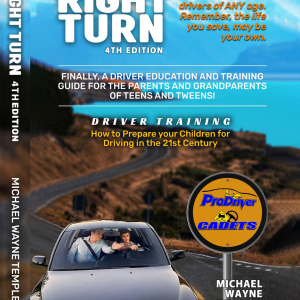
Here’s the good news: you don’t have to figure it out alone. The right driving training guide can transform this experience from stressful to structured, from chaotic to confident. When parents follow a clear roadmap—like the safety-first principles often associated with Michael Templeton—they create an environment where teens don’t just learn to drive; they learn to drive responsibly.
In this article, we’ll walk through how a well-designed driving training guide supports parents and teens every step of the way. By the end, you’ll feel more prepared—and more confident—about guiding your teen toward becoming a safe driver.
Why Teen Driving Is a Big Milestone
Getting a driver’s license isn’t just about transportation. It’s about independence. For teens, it represents freedom. For parents, it often represents trust—and a little bit of worry.
Car accidents remain one of the leading risks for teens. That’s why preparation matters so much. A structured driving training guide ensures your teen isn’t just learning how to steer and park, but how to think, react, and stay calm under pressure.
Think of it this way: learning to drive is like building a house. Without a solid foundation, cracks appear later. A good training guide lays that foundation brick by brick.
The Parent’s Role in Driver Education
You Are the First Driving Instructor
Even before formal lessons begin, your teen has been watching you drive for years. They’ve noticed how you handle traffic, road rage, and distractions.
Your habits shape theirs.
When you follow a guide rooted in structured teaching—similar to the thoughtful, safety-centered methods associated with Michael Templeton—you move from being just a driver to being a coach.
Modeling Safe Behavior
-
Always wear your seatbelt
-
Avoid texting while driving
-
Obey speed limits
-
Stay calm during traffic
Teens learn more from what you do than what you say.
What Makes a Driving Training Guide Effective
Not all guides are created equal. The right one should be:
Step-by-Step and Structured
A clear roadmap reduces confusion. Lessons should move from simple to complex—empty parking lots first, highways later.
Focused on Safety First
Safety should always be the priority. A guide that emphasizes awareness, responsibility, and risk management prepares teens for real-world challenges.
Practical and Realistic
Driving isn’t learned from reading alone. The guide must include hands-on practice suggestions and real-life scenarios.
When parents follow a structured approach, they feel less overwhelmed. And when parents feel calm, teens feel confident.
Building Confidence Behind the Wheel
Confidence doesn’t happen overnight. It grows through repetition and encouragement.
Start Small
Begin in low-pressure environments:
-
Empty parking lots
-
Quiet residential streets
-
Early morning practice sessions
Gradually increase difficulty.
Celebrate Small Wins
Did your teen master parallel parking? Handle a tricky intersection smoothly? Acknowledge it.
Confidence grows when progress is noticed.
Creating a Structured Practice Plan
A common mistake parents make? Random practice sessions. One week you practice three times; the next week, none.
A driving training guide helps create consistency.
Set Weekly Goals
For example:
-
Week 1: Steering control and smooth braking
-
Week 2: Lane changes and signaling
-
Week 3: Night driving
Track Hours and Conditions
Include:
-
Rainy weather
-
Nighttime
-
Busy traffic
-
Highway driving
Consistency builds skill—and skill builds safety.
Teaching Defensive Driving Skills
Defensive driving is more than reacting. It’s anticipating.
Scanning the Road Ahead
Teach your teen to look 10–15 seconds ahead, not just at the car in front.
Understanding Blind Spots
Show them physically where blind spots are. Make it real.
Maintaining Safe Distance
A simple rule: at least three seconds behind the car ahead. More in bad weather.
The philosophy promoted by safety advocates like Michael Templeton emphasizes proactive driving—preventing problems before they happen.
Managing Fear and Anxiety (For Parents and Teens)
Let’s be honest—sometimes parents are more nervous than teens.
Stay Calm and Avoid Yelling
Shouting doesn’t improve performance. It increases panic.
If you feel stress rising, take a break.
Normalize Mistakes
Everyone stalls. Everyone brakes too hard at first. Mistakes are part of learning.
Approach practice like a coach, not a critic.
Setting Clear Rules and Expectations
Teens need structure.
Passenger Limits
Too many friends in the car can be distracting.
Night Driving Restrictions
Limit late-night driving during the first months.
Phone Use Policy
No texting. No scrolling. Ever.
Put these rules in writing. A simple agreement can clarify expectations and prevent arguments.
The Importance of Real-World Experience
Reading about merging onto a highway isn’t the same as doing it.
Gradual Exposure to Complex Situations
Introduce:
-
Heavy traffic
-
Construction zones
-
Roundabouts
-
Rural roads
Each environment teaches something different.
The more varied the experience, the more adaptable your teen becomes.
Monitoring Progress and Giving Feedback
Use Constructive Feedback
Instead of saying:
“You’re terrible at parking.”
Try:
“Let’s adjust your angle next time and try again.”
Review After Each Session
Ask:
-
What felt challenging?
-
What felt easier today?
Reflection strengthens learning.
Technology and Tools That Support Safe Driving
Modern tools can enhance training.
Driving Apps
Apps track speed, braking habits, and route history.
Dash Cameras
They encourage accountability and allow review of driving situations.
Parent-Teen Agreements
Digital contracts reinforce expectations.
Technology isn’t a replacement for guidance—but it’s a helpful support system.
Preparing for the Driving Test
The driving test isn’t just about passing. It’s about readiness.
Practice Test Routes
Drive near the testing center to reduce surprise factors.
Mock Tests at Home
Simulate the experience:
-
No coaching
-
No reminders
-
Quiet environment
Preparation builds calm.
Encouraging Lifelong Safe Driving Habits
The goal isn’t just a license—it’s a lifetime of safe driving.
Keep Conversations Ongoing
Even after licensing, discuss:
-
Close calls
-
Road conditions
-
Safe decisions
Reinforce Responsibility
Remind your teen that driving is a privilege, not a right.
The values emphasized by Michael Templeton—responsibility, awareness, and preparation—apply far beyond the teenage years.
Conclusion:
Teaching your teen to drive is one of the most important responsibilities you’ll face as a parent. It’s not just about helping them pass a test—it’s about preparing them for real-world challenges.
The right driving training guide provides structure, clarity, and confidence. It turns nervous practice sessions into meaningful lessons. It transforms mistakes into growth. And most importantly, it builds safe, thoughtful drivers who understand the responsibility that comes with being behind the wheel.
By following a safety-focused approach inspired by principles like those associated with Michael Templeton, you’re not just teaching driving skills—you’re shaping decision-making skills that will last a lifetime.
So take a deep breath. Stay patient. Stay consistent. You’ve got this—and so does your teen.
FAQs
1. Why is a structured driving training guide important for teens?
A structured guide ensures teens learn skills progressively, practice consistently, and develop both confidence and safety awareness.
2. How many practice hours should teens complete before testing?
Most experts recommend at least 40–50 hours of supervised practice, including nighttime and varied driving conditions.
3. How can parents stay calm while teaching their teen to drive?
Taking breaks, using a calm tone, and focusing on constructive feedback helps reduce stress for both parent and teen.
4. What are the most important defensive driving skills for teens?
Key skills include maintaining safe distance, scanning ahead, checking blind spots, and anticipating potential hazards.
5. How does the Michael Templeton approach improve teen driver safety?
The Michael Templeton approach emphasizes structured learning, proactive safety habits, and responsible decision-making, helping teens become confident and cautious drivers.