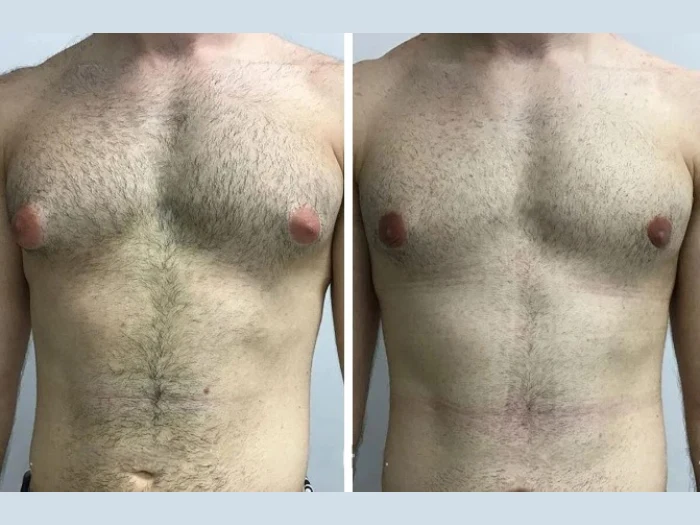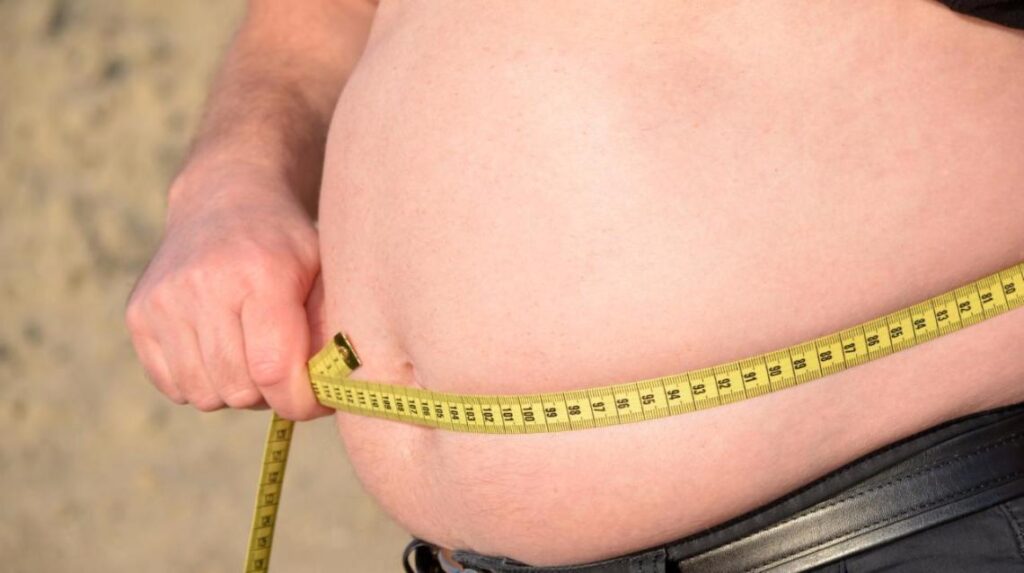
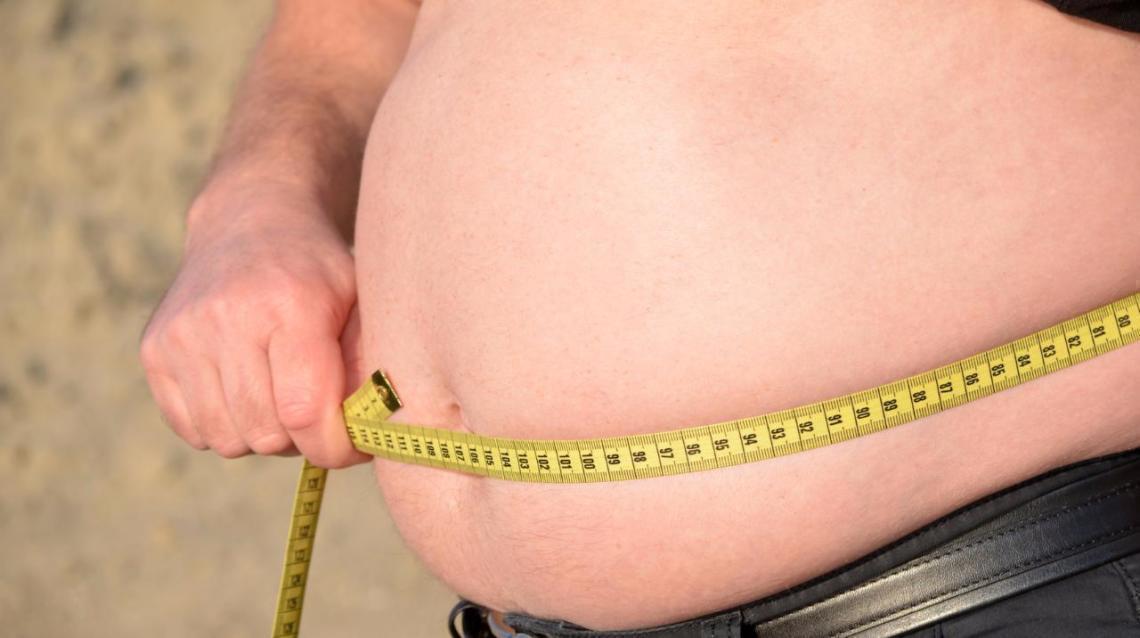
Obesity treatment Dubai has become increasingly important as obesity rates continue to rise due to sedentary lifestyles, high-calorie diets, and stress-related habits. Obesity is not simply a cosmetic concern; it is a chronic medical condition that significantly increases the risk of serious health problems such as diabetes, heart disease, hypertension, and joint disorders.
Effective management of obesity requires a comprehensive approach that may include medical supervision, lifestyle changes, medication, and in some cases, surgical intervention. Understanding the available medical and surgical solutions for Obesity treatment Dubai helps individuals make informed decisions about their health.
Understanding Obesity
What Is Obesity?
Obesity is defined as excessive body fat accumulation that negatively impacts health. It is commonly assessed using Body Mass Index, which calculates weight relative to height.
Health Risks Associated with Obesity
Untreated obesity can lead to:
- Type 2 diabetes
- High blood pressure
- Heart disease
- Sleep apnea
- Joint problems
- Fatty liver disease
This makes timely Obesity treatment Dubai essential for long-term health.
Medical Solutions for Obesity Treatment Dubai
Medical treatment focuses on non-surgical interventions designed to promote sustainable weight loss and improve metabolic health.
Comprehensive Medical Assessment
Before initiating treatment, healthcare providers conduct detailed evaluations that include:
- Body composition analysis
- Blood tests
- Hormonal assessment
- Screening for diabetes and high cholesterol
This ensures that the Obesity treatment Dubai plan is personalized and safe.
Lifestyle Modification Programs
Nutritional Counseling
Customized meal plans are developed based on individual needs, preferences, and health conditions. Balanced diets focusing on portion control, nutrient density, and reduced calorie intake are central to medical obesity management.
Physical Activity Plans
Structured exercise programs tailored to fitness levels help increase calorie expenditure and improve cardiovascular health.
Behavioral Therapy
Behavioral modification strategies address emotional eating, stress management, and long-term habit formation.
Medications for Obesity Treatment Dubai
When lifestyle changes alone are insufficient, doctors may prescribe weight-loss medications. These medications may work by:
- Reducing appetite
- Increasing feelings of fullness
- Decreasing fat absorption
Medication is typically recommended for individuals with a high Body Mass Index or obesity-related health conditions.
Regular monitoring ensures safety and effectiveness during medical treatment.
Surgical Solutions for Obesity Treatment Dubai
For individuals with severe obesity or those who have not achieved results through medical therapy, surgical options may be considered.
Eligibility for Bariatric Surgery
Surgery is usually recommended for:
- Individuals with severe obesity
- Patients with obesity-related conditions such as diabetes or hypertension
- Those who have failed to lose weight through supervised programs
Comprehensive evaluation ensures suitability for surgery.
Types of Bariatric Surgery
Gastric Sleeve Surgery
This procedure removes a portion of the stomach, reducing its size and limiting food intake. It also affects hunger hormones, supporting long-term weight loss.
Gastric Bypass Surgery
This surgery alters the digestive system to reduce calorie absorption and food intake. It is highly effective for significant weight reduction.
Adjustable Gastric Band
A band is placed around the upper stomach to restrict food intake. It is less commonly performed today but remains an option in selected cases.
Benefits of Surgical Obesity Treatment Dubai
- Significant and sustained weight loss
- Improvement or resolution of type 2 diabetes
- Lower blood pressure
- Reduced cardiovascular risk
- Enhanced mobility and quality of life
Risks and Considerations
As with any surgery, risks may include infection, nutritional deficiencies, or complications. Long-term follow-up and dietary compliance are essential after surgery.
Post-Treatment Care and Monitoring
Nutritional Support
Patients undergoing Obesity treatment Dubai, especially surgery, require ongoing nutritional counseling to prevent deficiencies.
Regular Medical Follow-Up
Routine checkups help monitor weight progress, metabolic health, and potential complications.
Psychological Support
Emotional and psychological counseling supports long-term success and healthy lifestyle adaptation.
Benefits of Early Intervention
Early management of obesity reduces the risk of developing chronic diseases and improves overall life expectancy. Comprehensive Obesity treatment Dubai programs focus on prevention, education, and sustainable lifestyle changes.
Prevention Strategies
Preventive measures include:
- Balanced nutrition
- Regular exercise
- Stress management
- Adequate sleep
- Routine medical screening
Proactive health management reduces long-term risks.
FAQs About Obesity Treatment Dubai
Who is eligible for Obesity treatment Dubai?
Individuals with a high Body Mass Index or obesity-related health conditions may qualify for medical or surgical treatment.
How long does medical weight loss take?
Results vary depending on adherence to lifestyle changes and medical guidance. Sustainable weight loss typically occurs gradually over months.
Is bariatric surgery safe?
When performed by experienced surgeons with proper evaluation and follow-up, bariatric surgery is generally safe and effective.
Can obesity return after treatment?
Weight regain is possible without long-term lifestyle commitment. Continuous follow-up improves sustained success.
Is medication enough for weight loss?
Medication may support weight loss but works best when combined with diet, exercise, and behavioral changes.
Conclusion
Obesity treatment Dubai offers a range of medical and surgical solutions tailored to individual needs. From personalized nutrition and exercise plans to advanced bariatric procedures, effective treatment requires a comprehensive and supervised approach.
Early intervention, consistent follow-up, and commitment to lifestyle changes are essential for achieving and maintaining long-term weight loss. By seeking professional guidance and choosing appropriate treatment options, individuals can significantly improve their health, reduce complications, and enhance their quality of life.