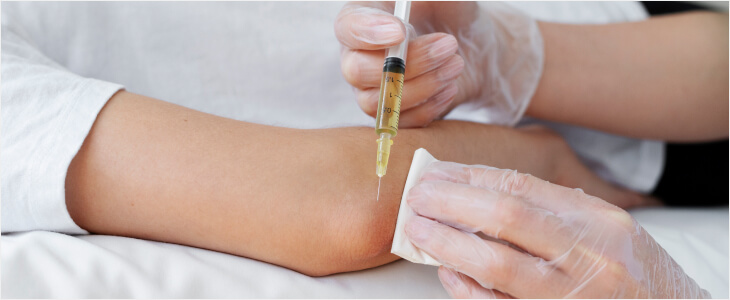
Chronic joint pain can affect every part of your daily life, from walking and exercising to simply getting out of bed in the morning. Stiffness, inflammation, and discomfort often limit mobility and reduce overall quality of life. Fortunately, modern non-surgical treatments like Joint Injections provide effective relief without the need for invasive procedures. At SF Aesthetic Medspa, patients receive personalized joint care designed to reduce pain, restore movement, and support long-term wellness through advanced injection therapies tailored to individual needs.
For many individuals living in Bourbonnais IL, joint discomfort becomes a persistent challenge due to aging, injury, arthritis, or repetitive strain. Whether the pain affects the knees, shoulders, hips, or elbows, targeted Joint Injections offer a safe and proven option for reducing inflammation and improving flexibility. Instead of relying solely on oral medications, which may provide temporary relief, injection-based therapies work directly at the source of pain to promote healing and restore function.
What Are Joint Injections?
Joint Injections are minimally invasive treatments that deliver medication or regenerative substances directly into the affected joint. These injections are commonly used for arthritis pain management, sports injuries, and inflammatory conditions. By targeting the exact area of discomfort, they provide faster and more focused relief compared to systemic treatments.
There are different types of injections depending on the patient’s condition. Cortisone injections help reduce inflammation and swelling, while PRP therapy uses the body’s own platelets to encourage tissue repair. Hyaluronic acid injections may also be used to improve joint lubrication and reduce friction.
How Joint Injections Work
When a joint becomes inflamed, the surrounding tissues swell, causing pain and restricted movement. Joint Injections deliver anti-inflammatory or regenerative substances directly into the joint capsule. This reduces irritation, calms the immune response, and allows the joint to move more freely.
Cortisone injections provide rapid inflammation treatment, often relieving symptoms within days. PRP therapy works differently by stimulating natural healing processes, gradually strengthening tissues and improving long-term joint stability. Both approaches support non-surgical joint care and help patients avoid more invasive procedures whenever possible.
Conditions Treated with Joint Injections
Joint Injections are commonly recommended for a variety of musculoskeletal conditions, including osteoarthritis, rheumatoid arthritis, tendonitis, bursitis, and sports-related injuries. Many patients seek this treatment for knee pain, shoulder stiffness, hip discomfort, and even small joint inflammation in the hands or ankles.
Athletes often benefit from injection therapy because it allows them to return to activity faster while minimizing downtime. Older adults experiencing age-related cartilage breakdown also find significant relief, making daily movements smoother and less painful.
Benefits of Joint Injections
One of the biggest advantages of Joint Injections is targeted pain relief. Because the medication is delivered directly to the problem area, results can be more immediate and effective. Patients often notice reduced swelling, improved flexibility, and increased range of motion.
Another key benefit is avoiding surgery. Many individuals want to delay or prevent joint replacement procedures. Injection therapy offers a conservative treatment option that supports mobility while preserving natural joint structures.
The procedure is quick, typically completed within minutes, and requires little to no recovery time. Most patients resume normal activities shortly after treatment.
What to Expect During the Procedure
Before administering Joint Injections, a thorough evaluation is performed to determine the underlying cause of pain. Imaging techniques may be used to ensure precise placement. The injection site is cleaned, and a fine needle is carefully inserted into the joint space.
Patients may feel mild pressure during the injection, but discomfort is generally minimal. Some temporary soreness can occur afterward, but this usually resolves within a day or two. Clear aftercare instructions are provided to maximize results and minimize side effects.
How Long Do Results Last?
The duration of relief depends on the type of injection and the severity of the condition. Cortisone injections may provide relief for several weeks to a few months. PRP therapy may take longer to show full effects but often delivers longer-lasting improvements.
Some patients require a series of injections for optimal outcomes. Regular follow-up ensures treatment remains aligned with the patient’s progress and goals.
Are Joint Injections Safe?
When performed by trained medical professionals, Joint Injections are considered safe and effective. Minor side effects such as temporary swelling, redness, or mild discomfort at the injection site are possible but typically short-lived.
Serious complications are rare. A comprehensive medical assessment ensures that patients are suitable candidates and that injections are administered with precision and care.
Who Is a Good Candidate?
Ideal candidates for Joint Injections are individuals experiencing persistent joint pain that has not responded to rest, physical therapy, or oral medications. Patients who wish to avoid surgery or reduce reliance on long-term painkillers may benefit significantly.
However, those with active infections or certain medical conditions may require alternative treatments. A personalized consultation helps determine the safest and most effective approach.
Supporting Long-Term Joint Health
While Joint Injections provide powerful relief, maintaining joint health also involves lifestyle adjustments. Regular low-impact exercise, maintaining a healthy weight, and strengthening surrounding muscles can enhance treatment results.
Combining injection therapy with physical therapy or guided rehabilitation often produces the best outcomes. This comprehensive approach supports lasting mobility and comfort.
The Emotional Impact of Restored Mobility
Chronic joint pain not only affects the body but also impacts emotional well-being. Limited mobility can reduce independence and restrict participation in favorite activities. Restoring joint function often leads to renewed confidence, improved mood, and better overall quality of life.
When patients experience reduced pain and greater flexibility, they regain the ability to move freely and enjoy everyday moments without constant discomfort.
Conclusion
Joint Injections offer a safe, effective, and non-surgical solution for individuals seeking relief from chronic joint pain and inflammation. By targeting the root cause of discomfort, these treatments restore mobility, reduce swelling, and enhance overall quality of life. Whether addressing arthritis pain management or sports-related injuries, injection therapy provides meaningful results without extended downtime. At SF Aesthetic Medspa, patients receive expert care tailored to their specific needs, helping them regain comfort, confidence, and long-term joint health through advanced, personalized treatment plans.
FAQs
How quickly do Joint Injections work?
Cortisone injections may relieve pain within a few days, while PRP therapy develops gradually over several weeks.
Are Joint Injections painful?
Most patients experience minimal discomfort, similar to a quick pinch, with only mild soreness afterward.
How many injections will I need?
The number varies depending on your condition, but some patients benefit from a series of treatments.
Can Joint Injections replace surgery?
In many cases, they help delay or avoid surgery by effectively managing pain and inflammation.
Is there downtime after treatment?
Most individuals return to normal activities the same day, with only minor precautions advised.