Silicone Market Size and Forecast 2026–2036
The global silicone market is entering a decade of steady and strategic expansion, driven by rising demand across construction, automotive, electronics, healthcare, and personal care industries. The market is projected to grow from US$ 16.83 Billion in 2025 to US$ 26.88 Billion by 2034, registering a Compound Annual Growth Rate (CAGR) of 5.34% from 2026 to 2034.
This growth reflects the increasing reliance on high-performance materials capable of withstanding extreme temperatures, mechanical stress, moisture, and chemical exposure. Silicone’s versatility, durability, and adaptability across multiple sectors position it as a critical material in the next phase of global industrial development.
Global Silicone Industry Overview
Silicone is a synthetic polymer primarily composed of silicon, oxygen, carbon, and hydrogen. Unlike conventional plastics, silicone demonstrates exceptional flexibility, strength, and resistance to heat, moisture, ultraviolet radiation, and harsh chemicals. These properties enable it to perform reliably in extreme environments.
Silicone materials are available in multiple forms, including:
- Elastomers
- Gels
- Resins
These variations are achieved by modifying the base polymer composition to suit specific performance requirements.
Globally, silicone materials are widely used in:
- Construction sealants and adhesives
- Automotive components
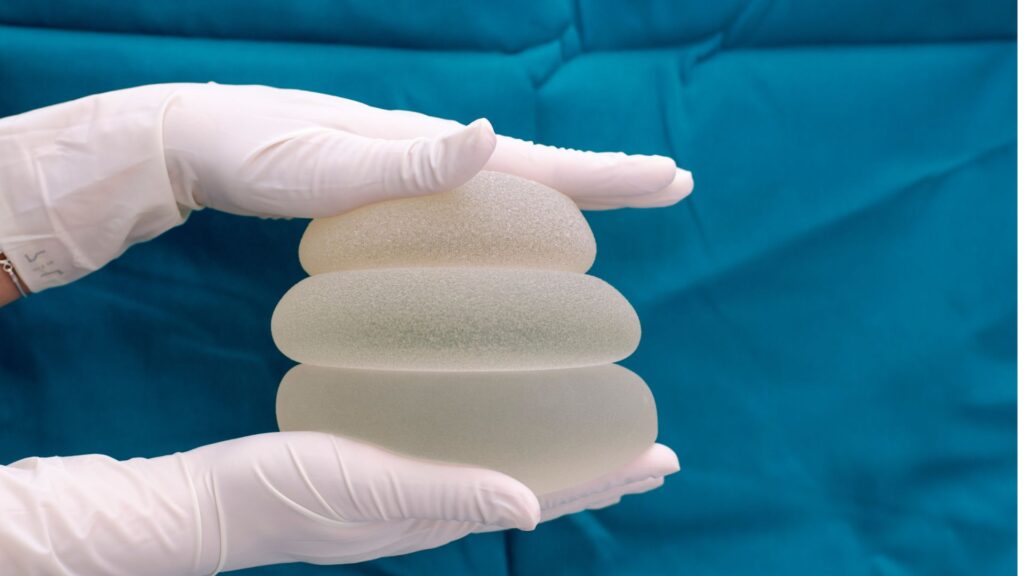
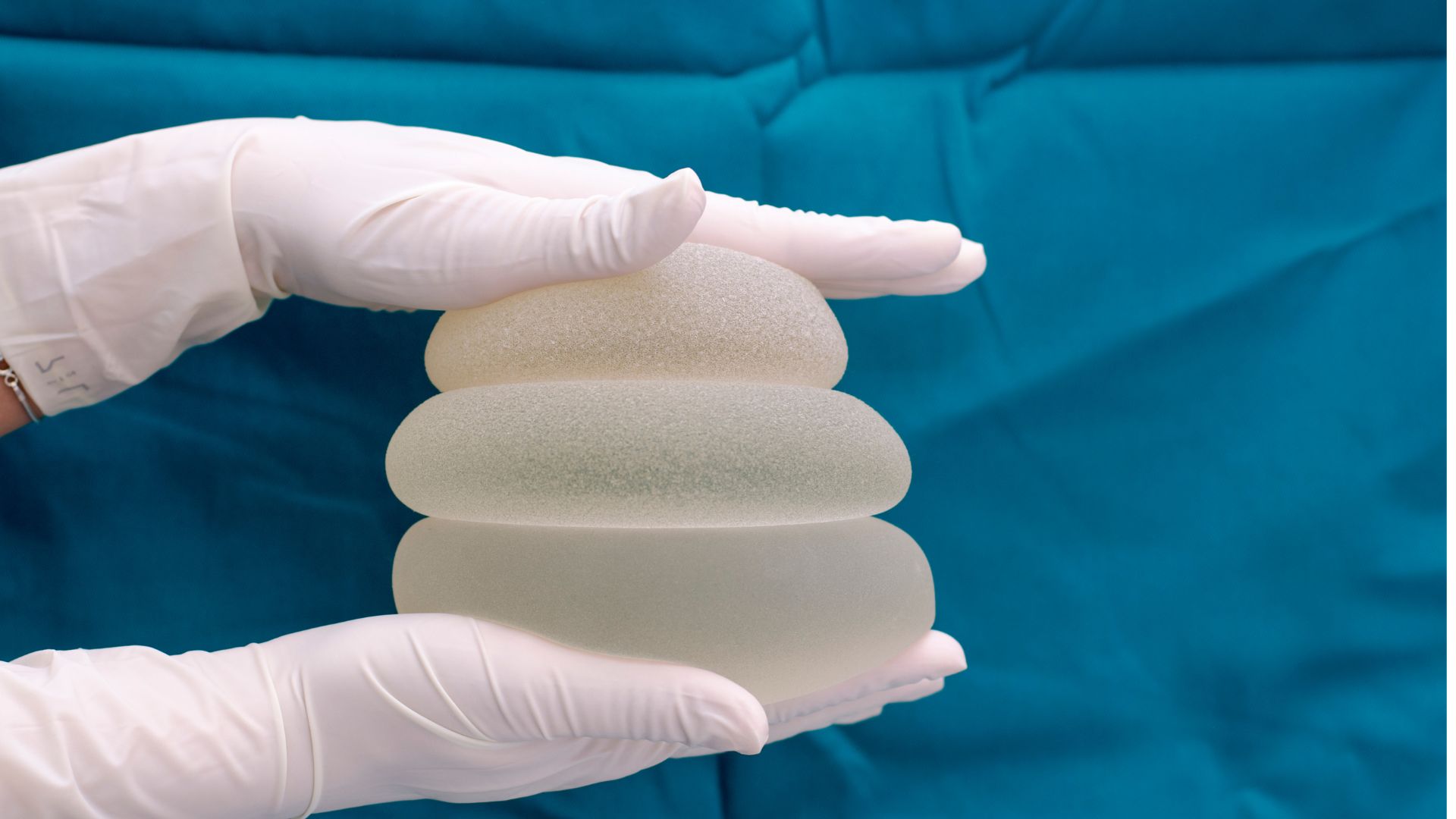
- Medical devices and implants
- Electronic encapsulation and insulation
- Personal care products
- Household and industrial goods
As industries shift toward durable and eco-conscious materials, silicone has gained preference for its longevity, reliability, and reduced environmental footprint compared to many traditional alternatives. In healthcare, silicone’s biocompatibility makes it suitable for implants and long-term medical applications. In renewable energy and electronics, its insulating and temperature-resistant properties make it indispensable.
Download Free Sample Report:https://www.renub.com/request-sample-page.php?gturl=silicone-market-p.php
Key Growth Drivers in the Global Silicone Market
Expanding Demand from Construction and Infrastructure
The construction and infrastructure sector remains one of the most significant contributors to silicone demand. Urbanization and rapid industrialization are increasing the need for high-performance sealants, adhesives, and coatings that can withstand weathering, UV exposure, and temperature variations.
Silicone materials improve building efficiency by enhancing insulation and airtightness. Their durability reduces maintenance costs and extends structural lifespan, making them attractive for both new construction and renovation projects.
In March 2023, Dow Inc. expanded its silicone sealant portfolio with the launch of the DOWSIL™ PV Product Line, specifically designed for photovoltaic module assembly. The product line includes six silicone-based sealants and adhesives aimed at improving durability and efficiency in renewable energy installations. This move reflects growing demand for advanced silicone solutions in sustainable infrastructure.
As green building standards and energy efficiency regulations tighten worldwide, silicone’s role in eco-friendly construction continues to strengthen.
Rising Use in Automotive and Transportation Applications
The automotive and transportation industries represent another major growth engine for the silicone market. Silicone is widely used in gaskets, hoses, seals, lubricants, and electronic components due to its heat resistance, flexibility, and electrical insulation capabilities.
The acceleration of electric vehicle (EV) production has further amplified demand. Silicone plays a critical role in battery protection, thermal management systems, and electronic insulation. Lightweight and high-performance materials are essential to improving fuel efficiency and extending vehicle lifespan.
In December 2022, Dow Inc. introduced the SILASTIC™ SA 994X Liquid Silicone Rubber (LSR) series. Designed for two-component injection molding with thermoplastic substrates, the new series supports innovation in mobility technologies by offering self-adhesive and self-lubricating properties.
As automotive manufacturers prioritize sustainability, safety, and performance, silicone remains a foundational material in next-generation vehicle design.
Growing Adoption in Healthcare and Electronics
Healthcare and electronics are among the fastest-growing segments in the silicone market. Silicone’s biocompatibility, sterilization resistance, and flexibility make it essential for medical devices, implants, tubing, catheters, and wearable technologies.
An aging global population and rising healthcare expenditures continue to support demand. In November 2025, Elkem ASA launched SILBIONE™ LSR Select EC 70, a new generation of medical-grade liquid silicone rubber designed for wearable and diagnostic applications. The product combines high electrical conductivity with certified biocompatibility, setting new standards for precision healthcare materials.
In electronics, silicone is used for encapsulating and protecting sensitive components. Its thermal stability and insulating properties are particularly valuable as devices become smaller and more powerful. The ongoing miniaturization of electronics, expansion of renewable energy systems, and growth of smart technologies continue to propel silicone demand.
Challenges in the Global Silicone Market
Volatility in Raw Material Prices
One of the primary challenges facing the silicone industry is the instability of raw material prices, particularly silicon metal. Price fluctuations can directly affect production costs and profit margins for manufacturers.
Global economic uncertainties, supply chain disruptions, and energy market volatility contribute to pricing unpredictability. These fluctuations may lead to higher costs for end users and reduced competitiveness in price-sensitive markets.
Managing procurement risks and optimizing production efficiency remain critical priorities for industry participants.
Environmental Regulations and Sustainability Pressures
While silicone products are durable and long-lasting, environmental concerns related to production emissions and end-of-life disposal continue to present challenges.
Increasing regulatory scrutiny regarding carbon emissions and material recyclability has raised compliance costs for manufacturers. Companies are investing in cleaner production technologies and sustainable product innovations to align with evolving environmental standards.
Balancing growth with sustainability remains a defining challenge for the industry.
Segment Analysis
Elastomers Silicone Market
Silicone elastomers dominate due to their flexibility, strength, and resistance to extreme temperatures. They are widely used in automotive seals, industrial gaskets, construction materials, and consumer products.
Their long-term elasticity under harsh conditions makes them ideal for demanding applications. Additionally, elastomers are extensively used in cookware, wearable technology, and medical devices due to their safety and durability.
Silicone Resins Market
Silicone resins are gaining traction in coatings, adhesives, and electrical insulation applications. They offer superior thermal stability and weather resistance compared to organic resins.
Protective coatings for buildings, machinery, and electronic devices rely heavily on silicone resins to enhance durability and reduce maintenance costs. As industries demand materials capable of operating under severe conditions, resin applications continue to expand.
Construction Silicone Market
The construction segment remains a key pillar of market growth. Silicone sealants, adhesives, and coatings provide weather resistance, UV stability, and temperature tolerance. Renovation projects and green building initiatives further stimulate demand.
Improved insulation and energy efficiency capabilities make silicone indispensable in modern construction practices.
Transportation Silicone Market
The transportation segment spans automotive, aerospace, rail, and marine industries. Silicone’s heat stability and long lifespan support engine performance and electronic insulation.
With the rapid shift toward electric and hybrid vehicles, demand for advanced silicone materials is rising significantly.
Healthcare Silicone Market
Silicone’s non-reactive and sterilizable properties make it essential in healthcare. Applications include implants, tubing, catheters, pharmaceutical components, and wearable medical devices.
As healthcare technologies evolve and patient safety becomes paramount, silicone’s role continues to expand globally.
Regional Market Insights
United States
The United States silicone market remains technologically advanced and innovation-driven. Demand is strong across construction, automotive, healthcare, and electronics sectors.
In January 2026, STUFF Manufacturing opened a new silicone molding facility in Lake Elsinore, California, strengthening domestic production capacity. Continued investments in research and sustainable technologies support steady growth.
United Kingdom
The United Kingdom silicone market benefits from demand in construction, healthcare, and automotive sectors. Sustainable building initiatives and electric vehicle adoption further stimulate growth.
In December 2024, Osteotec re-launched its Silicone Finger Implant following successful certification under European Medical Device Regulation standards.
India
India’s silicone industry is expanding rapidly due to urbanization, infrastructure development, and growing automotive and electronics industries. In July 2022, Wacker Chemie AG inaugurated a new silicone production facility in Panagarh, India, focusing on medical technology and electromobility applications.
Government initiatives supporting domestic manufacturing continue to enhance market prospects.
Saudi Arabia
Saudi Arabia’s silicone market is growing steadily, supported by infrastructure expansion and diversification efforts beyond oil and gas. Increased investments in healthcare and industrial sectors further strengthen demand.
Market Segmentation
By Type
- Elastomers
- Fluids
- Resins
- Gels
- Others
By End Use
- Industrial Processes
- Construction
- Personal Care & Consumer Goods
- Transportation
- Electronics
- Healthcare
- Energy
- Others
By Region
North America, Europe, Asia Pacific, Latin America, and Middle East & Africa.
Competitive Landscape
Major players in the global silicone market include:
- Shin-Etsu Chemical Co Ltd
- Wacker Chemie AG
- Illinois Tool Works Inc.
- Evonik Industries AG
- Kemira Oyj
- Dow Inc.
- Elkem ASA
- Kaneka Corporation
These companies focus on innovation, sustainability, capacity expansion, and technological advancement to maintain competitive leadership.
Final Thoughts
The global silicone market is positioned for consistent and resilient growth over the coming decade. With projections rising from US$ 16.83 Billion in 2025 to US$ 26.88 Billion by 2034 at a CAGR of 5.34%, silicone is increasingly recognized as a cornerstone material for high-performance applications.
From sustainable construction and electric vehicles to precision healthcare and advanced electronics, silicone’s adaptability ensures its relevance in future industrial ecosystems. While challenges such as raw material volatility and environmental compliance remain, innovation and diversification strategies are expected to keep the market on a stable upward trajectory through 2036 and beyond.