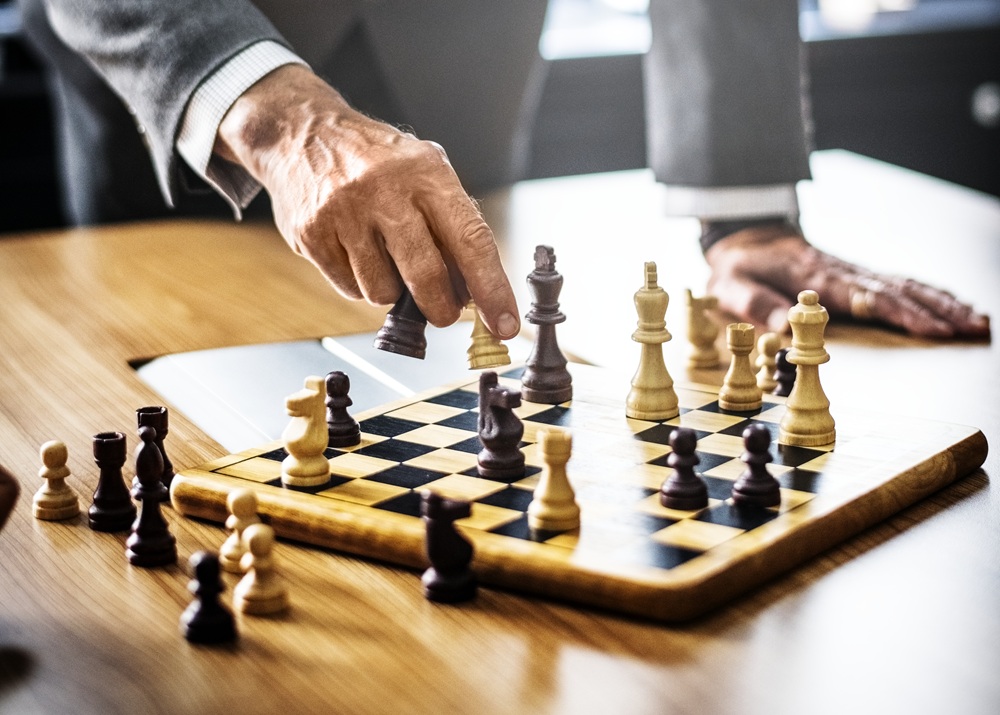
Rapid tournaments are a different animal. Less time. More pressure. Mistakes show up faster and punish you immediately. You don’t get 40 minutes to calculate some pretty line. You get maybe two or three serious thinks before the clock starts breathing down your neck.
If you’re serious about performing well, this is where focused prep matters. A lot of players start cramming random tactics or binge-watching opening videos. That’s not preparation. That’s panic. The week before an event is where structured work sometimes even through private chess lessons can clean up real weaknesses instead of feeding anxiety.
This guide is for beginners, intermediates, advanced grinders, parents of juniors, and even adult hobby players who just want to stop blundering under time pressure. Seven days. That’s enough. If you train the right things.
Understand the Nature of Rapid First
Rapid isn’t classical. And it’s not blitz either.
In rapid (10+0, 15+10, 25+10), you must:
-
Recognize patterns fast
-
Play practical, not perfect
-
Avoid deep time sinks
-
Manage nerves
The biggest mistake I see? Players prepare like it’s classical. Memorizing long engine lines. Trying to out-theory opponents. That rarely works in rapid. Especially at club level.
You need clarity. Clean decision-making. And positions you actually understand.
Day 7–5: Clean Up Your Opening Repertoire
Don’t expand it. Don’t experiment. Tighten it.
This is not the week to start a new Sicilian line or jump into some sharp gambit you saw online. Instead:
-
Review your main openings
-
Revisit typical pawn structures
-
Identify common tactical traps
If you play the Caro-Kann, for example, don’t just skim theory. Go back through your notes or your caro kann course material and ask: where do I usually go wrong? Is it move 8? Is it handling the isolated pawn?
Play training games in those structures. Rapid time control. That matters.
Beginners especially make the mistake of jumping between openings. I see this in many chess classes for begginers — too much variety, not enough depth. Stick to two openings as White, two defenses max. That’s enough.
Day 5–4: Middle Game Decision Speed
This is where rapid games are won or thrown away.
You need to train:
-
Identifying imbalances quickly
-
Choosing plans fast
-
Not over-calculating
Here’s a drill I give students at Metal Eagle Chess: take 10 middle-game positions. Give yourself 3 minutes per position. Decide on a move and write the reason. No engine. Then review.
The goal isn’t perfect moves. It’s structured thinking under pressure.
Intermediate players often freeze here. They know ideas, but they don’t commit. Advanced students overthink. Beginners panic.
If you’re taking chess lessons for beginners or even more advanced coaching, this is where real improvement shows. Not in memorizing moves. In choosing plans confidently.
Day 4–3: Endgame Reality Check
Rapid endgames are brutal.
You won’t have time to calculate ten moves deep in a rook ending. You need pattern recognition.
Focus on:
-
Basic rook endgames (Lucena, Philidor)
-
King and pawn races
-
Opposite-colored bishops
-
Converting an extra pawn
Don’t try to master 200 theoretical positions. That’s fantasy. Just sharpen the ones that actually show up.
One practical fact: most club-level rapid games reach simplified positions because players exchange under pressure. If you’re slightly better and know basic technique, you win more often than you think.
And if you don’t? You’ll throw half points away. It happens. Seen it too many times.
Day 3–2: Tactical Sharpness Without Burnout
Now you sharpen.
Not 500 puzzles in a day. That’s ego training.
Do 20–30 serious puzzles daily. Medium difficulty. Timed. Try to simulate tournament conditions. If you miss something, ask why. Calculation error? Visualization? Impulse move?
Game analysis matters here. Go back to your last 5 rapid losses. Look for pattern mistakes:
-
Hanging pieces in time trouble
-
Ignoring back-rank weaknesses
-
Misjudging pawn breaks
Fix patterns, not single moves.
Parents of junior learners, this is important. Don’t overload kids the week before a tournament. Keep sessions short. Focused. Calm.
Day 2–1: Simulated Rapid Games
Play 2–3 full rapid games each day under tournament time control.
No distractions. No music. No pause button.
After each game:
-
Spend 15–20 minutes analyzing without engine
-
Then check with engine briefly
-
Write one lesson learned
This is where structured programs sometimes in chess classes for begginers or through personalized guidance — give players an edge. Because they learn how to review properly. Random self-review often misses critical patterns.
At Metal Eagle Chess, we push students to focus on decision quality, not just results. That mindset wins tournaments.
Common Mistakes 7 Days Before a Tournament
Let me be blunt.
-
Switching openings last minute
-
Studying 6 hours a day out of panic
-
Watching random YouTube theory
-
Ignoring sleep
-
Playing only blitz
Blitz destroys your calculation discipline if overdone. A little is fine. Too much and your rapid game becomes impulsive.
Advanced students sometimes think they need deep engine prep. Not in rapid. You need clarity, stamina, and stable structures.
Game Analysis: The Hidden Advantage
If you have time for only one serious improvement tool, make it game analysis.
Review how you handle:
-
Slight advantages
-
Slightly worse positions
-
Time trouble
-
Equal endgames
Most rapid games aren’t tactical fireworks. They’re messy. Practical. Slightly unbalanced.
Players who understand that score more consistently.
Sometimes this is where private coaching makes the difference. Not magic moves. Just someone pointing out the blind spots you don’t see.
FAQ: Rapid Tournament Preparation
How many hours should I train daily 7 days before a rapid event?
2–3 focused hours is enough. Quality beats volume. Overtraining creates mental fatigue.
Should beginners change openings before a tournament?
No. Stick to what you know. This is especially important for students in chess classes for begginers who are still building foundation.
Are private chess lessons necessary before a tournament?
Not mandatory, but they can accelerate targeted improvement, especially if you’re stuck repeating the same mistakes.
Is blitz good preparation for rapid?
In moderation. It improves instinct, but too much hurts calculation discipline.
What’s the most important skill for rapid?
Decision speed with basic accuracy. Not perfection.
Final Thoughts
Seven days won’t turn you into a grandmaster. That’s obvious. But it can clean your game. Stabilize your openings. Sharpen your tactics. Strengthen your endgames.
Rapid tournaments reward practical players. The ones who don’t panic. The ones who trust their preparation. The ones who don’t overcomplicate winning positions.
Train smart. Stay consistent. Keep it structured.
And when in doubt, simplify.
That alone wins more rapid games than flashy prep ever will.