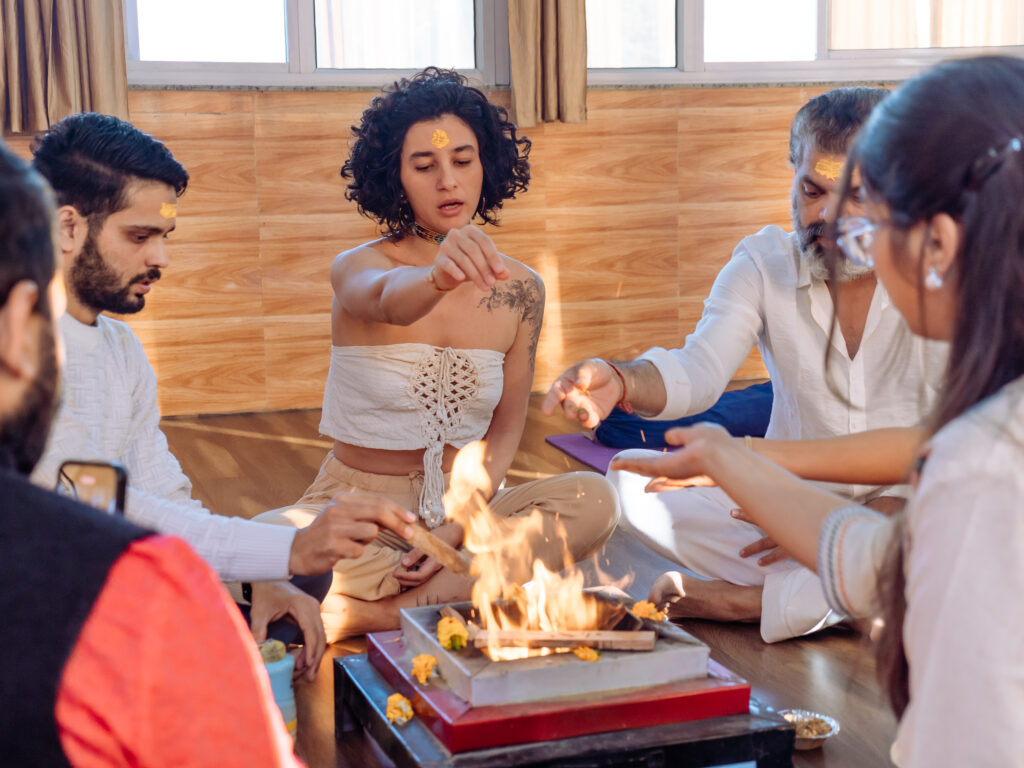
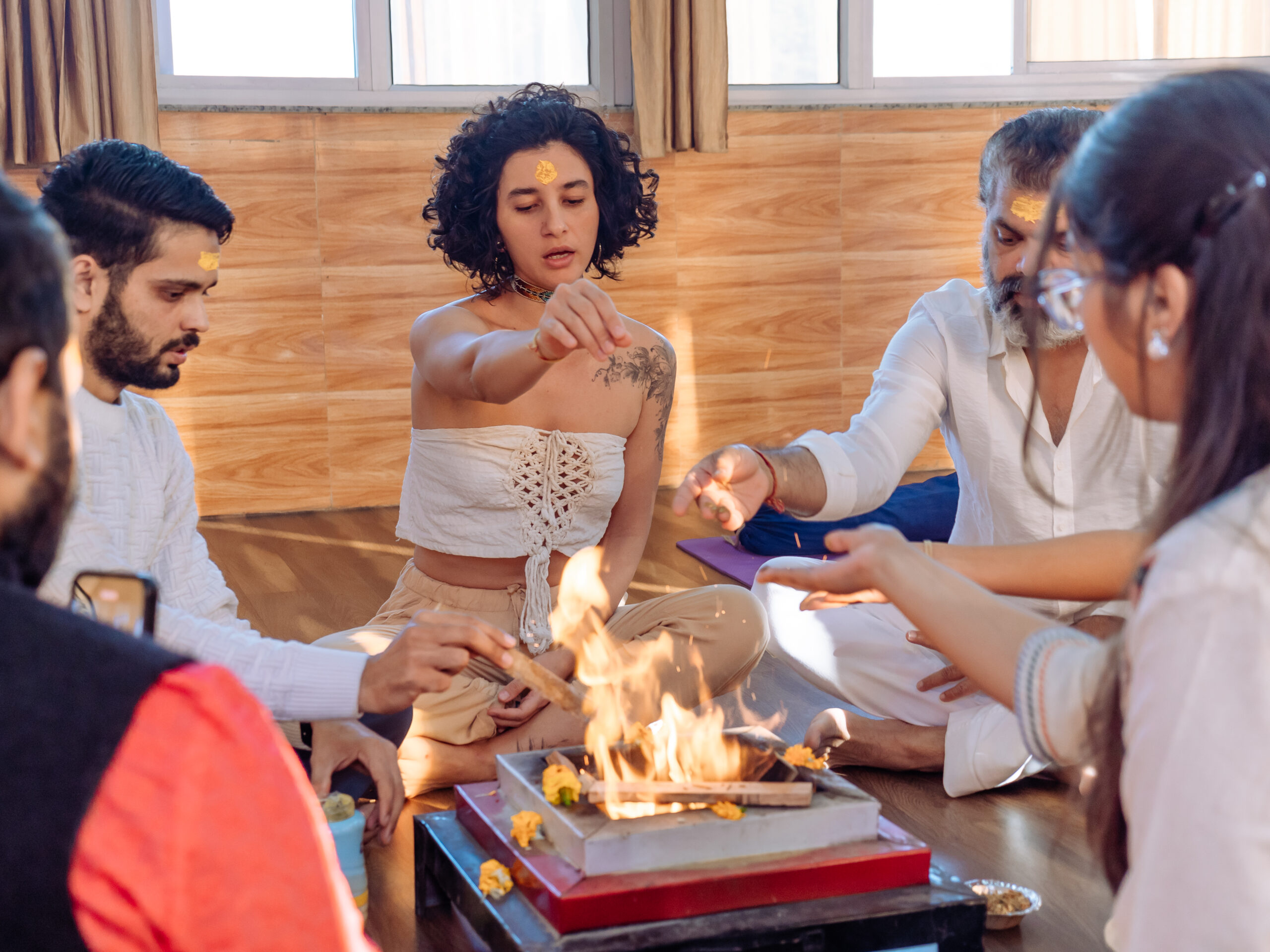
In the sacred foothills of the Himalayas, where the Ganges flows with quiet strength and ancient wisdom lingers in the air, the 100 Hour Yoga Teacher Training is undergoing a meaningful transformation. At our yoga retreat center in Rishikesh, we have witnessed a powerful shift. Yoga is no longer just about flexibility, alignment, or mastering advanced asanas. It is about safety, healing, awareness, and connection.
More students are arriving not only to deepen their practice but to find balance after stress, burnout, emotional overwhelm, or life challenges. This is why trauma-informed yoga practices are becoming an essential part of modern teacher training programs. And yes, even within a foundational 100-hour course, this shift is both possible and powerful.
Let’s explore how this evolution is happening and why it matters more than ever.
Understanding Trauma-Informed Yoga in Today’s World
Trauma-informed yoga is not a trend. It is a compassionate approach that recognizes how trauma—big or small—can live in the body and nervous system. Trauma does not only mean major life events. It can stem from chronic stress, emotional neglect, accidents, illness, or long-term anxiety.
In a traditional yoga setting, strong verbal commands or physical adjustments may unintentionally trigger discomfort for some students. Trauma-informed teaching gently shifts this dynamic. Instead of instructing with authority, teachers offer choices. Instead of pushing for performance, they encourage exploration. Instead of assuming comfort, they prioritize consent.
In our 100 Hour Yoga Teacher Training, we integrate these principles from day one. Students learn that yoga is not about forcing transformation. It is about creating space where healing can unfold naturally.
Why 100 Hour Yoga Teacher Training Must Adapt
The 100-hour format is often chosen by beginners, travelers, working professionals, or those testing the waters before committing to a 200-hour certification. Because it attracts such a diverse group, it must be inclusive and sensitive.
High-performing yoga programs around the world have started weaving in:
-
Nervous system awareness
-
Breathwork for emotional regulation
-
Language that empowers rather than commands
-
Safe touch and consent education
-
Grounding practices for stability
We have consciously strengthened these elements in our program. Instead of focusing only on asana alignment, we teach students how to observe subtle emotional cues, how to create welcoming spaces, and how to guide students with kindness.
Nervous System Education: The Missing Link in Traditional Training
One major improvement in modern yoga education is understanding the nervous system. Many traditional programs skim over this topic. We go deeper.
Students in our 100 Hour Yoga Teacher Training learn about:
-
The sympathetic and parasympathetic nervous systems
-
Fight, flight, freeze, and fawn responses
-
How breath influences stress levels
-
Why slow transitions matter
When teachers understand how the body responds to stress, they teach differently. They slow down cues. They allow pauses. They encourage rest without guilt. This knowledge transforms the classroom from a performance space into a healing sanctuary.
And in Rishikesh, where yoga originated as a spiritual science, this return to sensitivity feels aligned with tradition rather than separate from it.
Language That Heals Instead of Commands
Words matter more than we realize.
Old-school teaching might say, “Close your eyes.”
Trauma-informed teaching says, “If it feels comfortable, you may gently lower your gaze or close your eyes.”
That small shift creates choice. Choice builds safety.
During our training at https://rishikeshyognirvana.com/, we conduct dedicated sessions on conscious communication. Students practice:
-
Invitational language
-
Neutral tone guidance
-
Avoiding body-shaming cues
-
Encouraging autonomy
This not only benefits trauma survivors but enhances every class. When students feel respected, they relax more deeply.
Physical Adjustments and the Culture of Consent
In traditional yoga schools, physical adjustments were often seen as essential. While hands-on guidance can be helpful, it must be approached carefully.
Our 100 Hour Yoga Teacher Training now emphasizes:
-
Verbal adjustments first
-
Demonstration-based corrections
-
Clear opt-in consent cards
-
Respecting personal boundaries
Students are taught to ask before touching and to accept “no” gracefully. This fosters professionalism and trust—qualities every modern yoga teacher must embody.
Breathwork as a Tool for Emotional Regulation
Pranayama is not just an ancient ritual. It is a practical tool for nervous system balance.
However, strong breath practices like Kapalbhati or Bhastrika may not be suitable for everyone, especially those with anxiety or trauma history.
In our updated curriculum, we teach:
-
Gentle diaphragmatic breathing
-
Lengthened exhalation techniques
-
Humming breath for grounding
-
Safe pacing of pranayama
Students learn when to energize and when to soothe. They also learn how to observe if a student feels dizzy or overwhelmed and how to respond calmly.
This level of awareness sets apart a well-trained teacher from someone who simply memorizes sequences.
Creating a Safe Physical Environment
Safety is not only emotional. It is also physical.
We encourage:
-
Clear room layout
-
Non-crowded mat spacing
-
Calm lighting
-
Optional eyes-open meditation
Small environmental choices can prevent discomfort and make students feel secure. In Rishikesh, surrounded by nature and the gentle flow of the Ganga, we naturally integrate grounding experiences such as outdoor meditation and mindful walking.
The Himalayas themselves teach stability and presence.
Bridging Ancient Wisdom with Modern Psychology
Some may wonder: Is trauma-informed yoga a Western concept? Does it conflict with yogic philosophy?
Not at all.
Classical texts speak of ahimsa—non-violence. They speak of compassion and self-awareness. Trauma-informed yoga simply brings these values into modern classrooms with psychological understanding.
Our 100 Hour Yoga Teacher Training connects:
-
Patanjali’s Yoga Sutras
-
The concept of samskaras (impressions)
-
Modern trauma research
-
Mind-body awareness practices
This integration ensures authenticity while remaining relevant.
Why This Matters for Future Yoga Teachers
If you plan to teach internationally, in studios, retreats, or community centers, understanding trauma sensitivity is not optional. It is expected.
Students today look for teachers who are:
-
Emotionally intelligent
-
Compassionate
-
Educated beyond poses
-
Safe and inclusive
By embedding trauma-informed principles into our training, we prepare you not just to lead classes—but to hold space responsibly.
And the beauty? You also learn to hold space for yourself.
Many trainees report personal breakthroughs during the program. They develop greater self-awareness, improved stress management, and deeper empathy.
That is the real transformation.
Who Should Consider a Trauma-Informed 100 Hour Yoga Teacher Training?
This course is ideal for:
-
Beginners seeking a mindful foundation
-
Therapists and wellness professionals
-
School teachers wanting emotional regulation tools
-
Travelers exploring yoga in India
-
Anyone recovering from burnout
You do not need prior teaching experience. You only need openness and willingness to learn.
In the spiritual heart of Rishikesh, supported by experienced teachers and a nurturing environment, growth feels natural.
Yoga Nirvana Rishikesh – Where 100 Hour Yoga Teacher Training Awakens Compassionate Teachers.
FAQs About 100 Hour Yoga Teacher Training and Trauma-Informed Yoga
What makes a 100 Hour Yoga Teacher Training trauma-informed?
A trauma-informed program emphasizes safety, choice, consent, nervous system education, and compassionate language. It trains teachers to recognize emotional responses and adapt classes accordingly.
Is trauma-informed yoga only for trauma survivors?
No. These principles benefit everyone. They create inclusive, respectful environments that enhance relaxation and trust for all students.
Can beginners join a trauma-informed 100 Hour Yoga Teacher Training?
Absolutely. The course is designed for beginners as well as practitioners who want a short yet meaningful immersion into yoga teaching.
Does trauma-informed teaching reduce the intensity of yoga practice?
Not necessarily. It simply offers options. Students can choose intensity levels that feel appropriate for their bodies and minds.
Will this training help with anxiety or stress?
Yes. Breathwork, grounding techniques, and nervous system awareness often help participants manage stress more effectively.
Can I continue to a 200-hour course after this?
Yes. A 100 Hour Yoga Teacher Training is often the first step toward completing a full 200-hour certification.