Choosing a strategic partner in the global manufacturing context today is no longer simply a procurement activity but also a means of risk mitigation in an uncertain market where volatility is constantly on the rise. The Indian forging industry, which in the past was dominated by manual labor and local supply, has radically changed. If an OEM (Original Equipment Manufacturer) decides to work in this field, they will have to adopt, aside from a certain technical thoroughness, knowledge of India’s industrial ecosystem as it is.
The most difficult thing is not to locate a supplier but to find a partner will be able to scale up production to meet the global demand and, at the same time, will be able to keep the extremely tight tolerances nowadays required in engineering. Just take a look at the amazing growth. It is no longer just a question of an industry being a “low cost alternative” but that it has become the main global center for high precision parts.
The Strategic Shift: Why Forging Companies in India are Winning
At first, Indian manufacturing was heavily about labor arbitrage. However, that is perhaps a little too simplified a view nowadays. In fact, the top tier Forging Company India is marked by the scale of its investments and its deployment of technology. The industry, with an installed capacity close to 4 million metric tons, is shifting towards higher value added products.
It is at that point when OEMs globally come to a realization that the Indian forging industry is not a single entity but is rather a tiered system. At the top, the giants that are willing to put in billions in 14,000 ton press lines, and on the other hand, the medium sized niche players who provide great flexibility. In fact, for most OEMs, the best combination is usually that of a middle market supplier where the executives themselves are accessible and where you can enjoy precision modern CNC machining.
1. Enhancing Supply Chain Resilience Through Technical Competence
The weakest link determines the strength of an OEM’s supply chain, and in the case of mechanical assemblies, this is often the forged critical part. Indian forging companies reinforce these chains by taking their business model beyond the “print to part” stage.
Co Engineering Approach
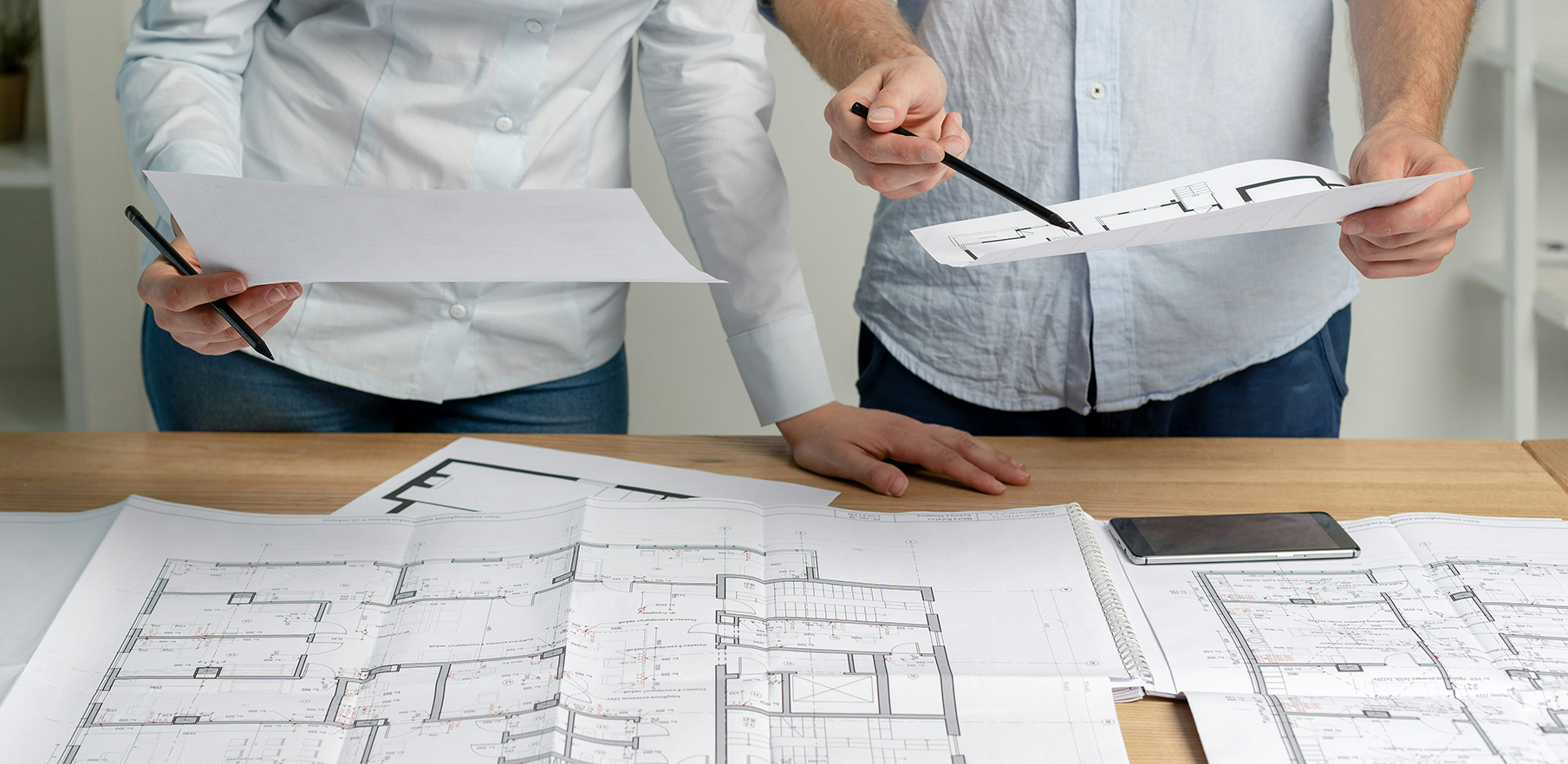
Nowadays, cooperating in designing a component is becoming a norm for most OEMs rather than a matter of simply issuing a quotation based on a drawing. Advanced Forging Company India would now employ the use of finite element analysis (FEA) and metal flow simulation software to recommend lightweighting without losing the part’s strength and durability.
- Actionable Advice: When looking for a partner, demand their simulation work. They cannot be in the top league if they do not base their first punch test on predictions using, say, QForm or FORGE software for grain flow and potential defects.
2. The Infrastructure of Quality: Beyond the ISO Stamp
We all know those certificates that typically hang on office doors. ISO 9001, IATF 16949 are the “training passes” to enter the industry. But a certificate does not guarantee handing over a zero defect batch of goods, let’s be honest.
Total Quality Management (TQM) in the Indian Context
Giving the genuine level of support to an OEM’s supply chain is by way of a culture of precision. This requires the presence of in house metallurgical labs not simply checking the raw materials but conducting deep analyses of the chemistry of every batch of steel. It also needs the full utilization of CMM (Coordinate Measuring Machines) for automated dimensional inspection.
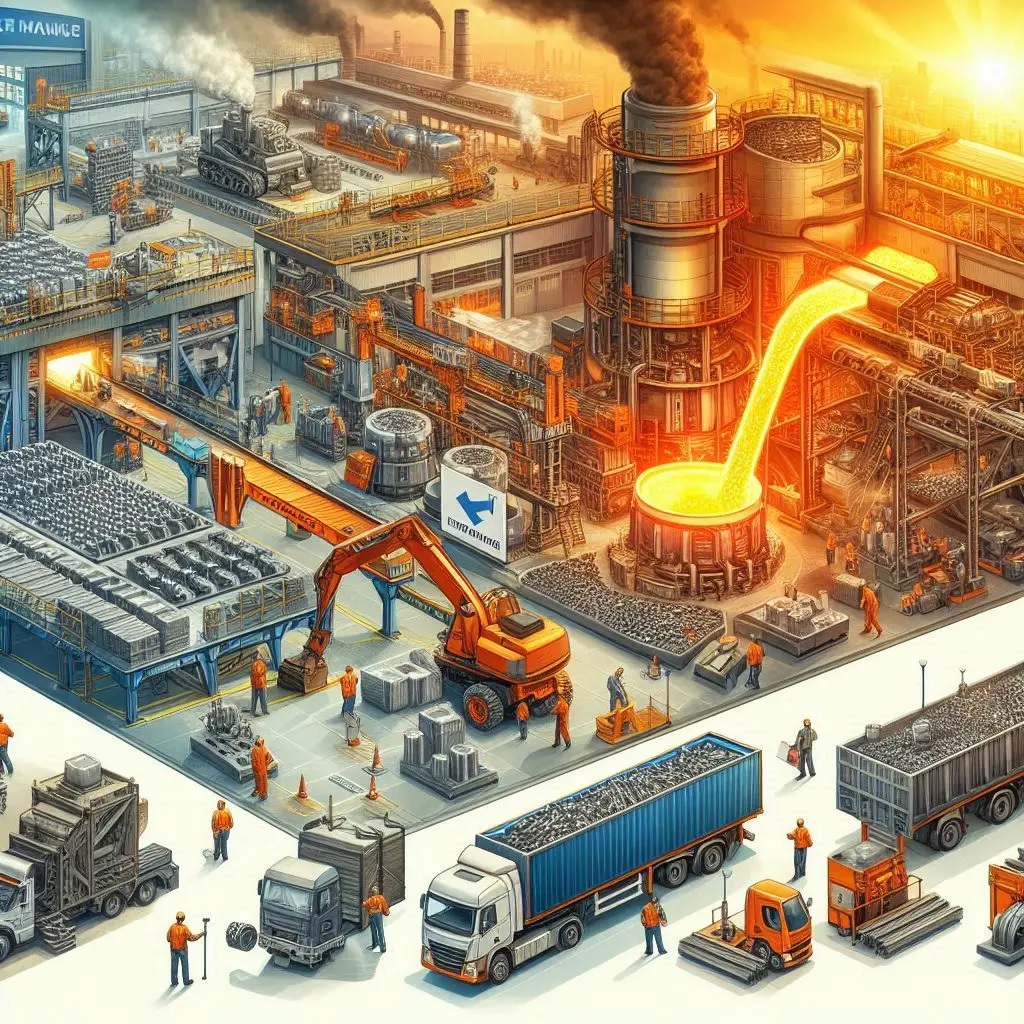
Such deviations in microns can ruin the entire field performance of components like connecting rods or transmission gears. The most trustworthy forging partners in India are usually those that have their forging shops totally integrated with full fledged machine shops. By bringing together the forging, heat treatment, and final machining processes under one roof, this “Single Window” system effectively removes the “blame game” among different vendors.
3. Navigating the Logistics and Lead Time Reality
Indian logistics… it is still very much talked about, isn’t it? Even though the National Logistics Policy is realizing huge savings in costs, an OEM still needs to be realistic. A Forging Company India will be most helpful to your supply chain if it has a robust “Buffer Management” mechanism in place.
Actionable Strategy: Demand Visibility
In India, the very best OEM supplier partnerships operate on a principle of data sharing. The highly successful companies are the ones that, instead of giving call off orders last minute, provide a twelve month rolling forecast. Consequently, the forge can buy raw materials (steel) at better rates and plan the production schedule more efficiently.
- Be careful: Beware of the suppliers who tell you that they can “instantly” scale up without showing you the usage of their capacities chart. A forge that is running at 95% of its capacity could be considered a bottleneck soon.
4. Sustainability: The New Non Negotiable
That just makes me feel that “Green Forging” has ceased to be a mere buzzword and has already become a compliance requirement. With such global initiatives as the Carbon Border Adjustment Mechanism (CBAM), quite soon the carbon footprint of your forged parts will determine how successful you are in the international markets.
Among other things, Indian forging companies:
- Are adopting electric induction heating to replace the usage of old furnace oils thereby reducing emissions and improving the precision of heating.
- Waste heat recovery. They capture energy lost during the forging process and use it for other plant operations.
- Green steel sourcing. They collaborate with Tier 1 steel mills that utilize scrap based electric arc furnaces.
5. Saving Cost Without Compromise On Quality
Price plays a major role in choosing the right source for your companOf course, a Forging Company India will be the source of your cost optimization. But, there is a “Value to Cost” ratio that still has to be preserved.
An inexpensive forging will, in fact, turn out to be more costly. The reasons are that it creates higher rejection rates at your assembly line, requires more machining time due to poor dimensional consistency, and the disaster of field recalls.
Some Useful Tips for Procurement People:
- price of the part;
- import and freight charges;
- expenses related to incoming quality inspection;
- risk based cost of disruptions in the supply chain.
Once you consider these, the slightly pricier, more technically advanced Forging Company India is almost always the one that comes out cheaper over a three year term.
6. The Future of the OEM Forge Relationship
This industry is evolving into “Smart Forging.” We have press sensors that monitor the press and transmit the data via a web connection in real time, thus making it possible for the OEM to view the production status of their parts at any time.
It is a matter of transparency. It is a matter of being aware that your part was forged at the almost exact temperature, was quenched for the appropriate time, and a machine with a precise calibration was used to test it. With data driven assurances at this level, an OEM can sleep soundly at night.
Summary: Critical Checklist for Sourcing
What if you have to rethink your supply chain or bring in a new partner from India? Here is your straightforward and practical checklist:
- Integrated Capabilities: Do they have forging, heat treatment, and machining capabilities all in house? If not, then how do they administer their sub vendors?
- Metallurgical Depth: Do they have a laboratory within premises? Would they be able to furnish the spectro analysis of each batch of raw material?
- Tool Room Sophistication: Are they capable of producing their own dies? A forge controlling its own tool room can readily adapt to design changes.
- Financial Health: Forging is a business that requires a lot of capital. Check that your partner has sufficient capital to invest in the raw material cycles that your volume demands.
Conclusion
The Indian forging sector is presently in what can be called its “technical peak” period. An OEM that collaborates with a Forging Company India which is simulation driven in its design, fully integrated in machining, and openly shares data, is not merely procuring parts but acquiring competitive leverage.
Have faith in the figures but do not forget to double check the methods. Most importantly, seek out the partner that is as eager about the performance of your products as you are. Your new machinery’s success is dependent on the metal’s reliability inside. Ensure that the metal is forged with utmost precision.