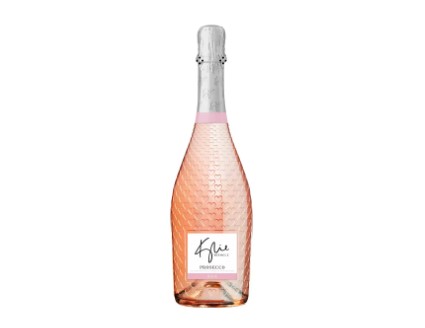
Rosé wine is celebrated for its delicate balance of fruit, acidity, and subtle sweetness. Unlike red or white wines, Rosé combines the freshness of white grapes with the fruit-forward character of red varieties. Recognising the interplay between acidity and sweetness in Rosé wine is essential for appreciating its complexity. Acidity adds brightness and structure, while sweetness enhances approachability and rounds out the flavour. The best Rosé wines maintain harmony, ensuring neither element dominates, creating a versatile spirit suitable for casual sipping, elegant dinners, or refreshing cocktails.
The Role of Acidity in Rosé Wine
Acidity in Rosé wine is responsible for its crisp and refreshing character. It acts as a natural preservative, enhancing the wine’s brightness and lifting fruit flavours. High-acid Rosés often showcase citrus, green apple, or red berry notes, making them ideal companions for light dishes like salads, seafood, or goat cheese. Lower-acid Rosés offer a softer, rounder mouthfeel, emphasising sweetness and fruitiness. Evaluating acidity requires attention to taste and texture: a sharp, zesty sensation on the tongue indicates higher acidity, while a smoother, mellow finish suggests moderate levels.
Recognising Sweetness Levels
Sweetness in Rosé wine can range from bone dry to lightly sweet or off-dry. Winemakers carefully control residual sugar to achieve the desired balance. Dry Rosé wines allow acidity and fruit flavours to shine, making them versatile for pairing with meals. Off-dry or semi-sweet Rosés highlight floral or berry notes and are often enjoyed on their own or in mixed drinks. Tasting sweetness involves detecting subtle sugar content on the palate without confusing it with fruit-derived flavours. Observing how the wine coats the tongue and balances acidity helps gauge its true sweetness.
Tools for Tasting and Evaluation
Professional tasters use structured methods to analyse Rosé wine. Start by observing colour, which may indicate ripeness and style. Swirl the wine gently to release aromas and assess fruit, floral, and mineral notes. Take small sips, letting the liquid cover the tongue to detect acidity, sweetness, and body. Noting the aftertaste and how flavours evolve helps identify balance. Repeating the process with multiple Rosés enhances the ability to differentiate styles. Regular tasting builds sensitivity, enabling enthusiasts to recognise subtle differences between wines from different regions or grape varieties.
Impact of Terroir and Winemaking
Terroir and winemaking techniques profoundly influence the acidity and sweetness in Rosé wine. Grapes grown in cooler climates often retain higher natural acidity, while warmer regions produce riper fruit with elevated sugar content. Maceration time, fermentation temperature, and residual sugar adjustments further shape the final profile. Sparkling Rosés undergo secondary fermentation, often resulting in heightened acidity and effervescence. Understanding these factors allows consumers to anticipate flavour balance and select wines that suit personal taste or culinary pairing.
Sourcing Premium Selections
For those exploring refined options, brands like R&V drinks curate premium collections that highlight expertly balanced Rosés. These wines showcase precise acidity and sweetness levels, offering a consistent and enjoyable tasting experience. Carefully selected varietals and production methods ensure each bottle reflects quality and craftsmanship. Sampling these selections can deepen appreciation for the subtleties of Rosé wine and help enthusiasts identify preferred styles for dining, gifting, or entertaining.
Conclusion
Reading the acidity and sweetness levels in Rosé wine is key to understanding its character and selecting the ideal bottle. By focusing on taste, aroma, and structure, wine lovers can distinguish crisp, vibrant styles from softer, fruit-forward options. Terroir, grape selection, and winemaking techniques all contribute to balance, making Rosé wine a versatile and approachable choice. Exploring premium offerings, such as those from R&V drinks, offers insight into expertly crafted profiles that enhance both casual enjoyment and formal tasting experiences. Mastering this skill enables you to fully appreciate the nuance and artistry of Rosé wine.