Building demolition is a complex and high-risk process that requires careful planning, skilled professionals, and strict adherence to safety standards. Whether it is a small residential teardown or a large commercial structure, demolition work involves heavy machinery, structural instability, hazardous materials, and environmental concerns. Without proper precautions, accidents can lead to serious injuries, legal issues, and costly project delays.
Before Hiring Demolition Contractors, property owners and project managers must understand the safety principles that guide a successful demolition. From pre-project inspections to final debris removal, safety should remain the top priority at every stage.
Below are the most important safety tips to follow during any building demolition project.
1. Conduct a Comprehensive Site Assessment
A detailed site assessment is the foundation of demolition safety. Before any equipment arrives on-site, professionals should thoroughly inspect the structure and surrounding environment.
Key elements of a site assessment include:
-
Evaluating structural integrity
-
Identifying load-bearing components
-
Checking proximity to nearby buildings
-
Locating underground utilities
-
Assessing environmental risks
Older buildings may contain hazardous materials such as asbestos, lead paint, or mold. Identifying these materials early helps prevent exposure and ensures proper handling procedures are followed.
2. Identify and Manage Hazardous Materials
One of the most critical safety concerns in demolition projects is hazardous material exposure. Materials like asbestos can pose severe health risks if disturbed.
Asbestos removal should always be performed by certified professionals before demolition begins. Attempting to demolish a structure without properly managing hazardous substances can release harmful particles into the air, endangering workers and nearby communities.
Proper hazardous material management includes:
-
Professional testing and inspection
-
Containment procedures
-
Safe removal and disposal
-
Compliance with environmental regulations
Failing to address hazardous materials can lead to heavy fines and long-term health consequences.
3. Hire Licensed and Experienced Professionals
Demolition is not a DIY task. It requires technical knowledge, industry experience, and strict safety compliance.
When Hiring Demolition Contractors, verify:
-
Proper licensing and certifications
-
Insurance coverage
-
Safety training records
-
Experience with similar projects
-
Positive client reviews
Experienced contractors understand structural behavior, safety regulations, and emergency procedures. They also ensure that workers are properly trained to handle machinery and hazardous situations.
Choosing the right team significantly reduces risks and improves overall project efficiency.
4. Obtain Required Permits and Follow Regulations
Demolition projects are subject to local, state, and federal regulations. Before work begins, proper permits must be secured.
Regulatory compliance typically includes:
-
Building permits
-
Environmental permits
-
Utility disconnection approvals
-
Waste disposal authorization
Authorities may require proof of hazardous material inspection and documentation of Asbestos removal if applicable.
Ignoring regulatory requirements can result in work stoppages, penalties, and legal disputes. Always confirm that all paperwork is approved before demolition starts.
5. Disconnect Utilities Safely
One of the most dangerous mistakes in demolition projects is failing to disconnect utilities. Active gas lines, electrical wiring, or water systems can create life-threatening hazards.
Before demolition begins:
-
Shut off electricity
-
Disconnect gas lines
-
Turn off water supply
-
Cap sewer connections
Utility providers should confirm disconnections in writing. This step prevents fires, explosions, flooding, and electrocution risks.
6. Develop a Detailed Demolition Plan
A structured demolition plan outlines how the building will be dismantled safely and efficiently.
A proper demolition safety plan includes:
-
Step-by-step demolition sequence
-
Equipment usage plan
-
Worker assignments
-
Emergency response procedures
-
Communication strategy
Different demolition methods (mechanical, manual, implosion) require different safety approaches. Planning ensures structural components are removed in a controlled manner to prevent unexpected collapses.
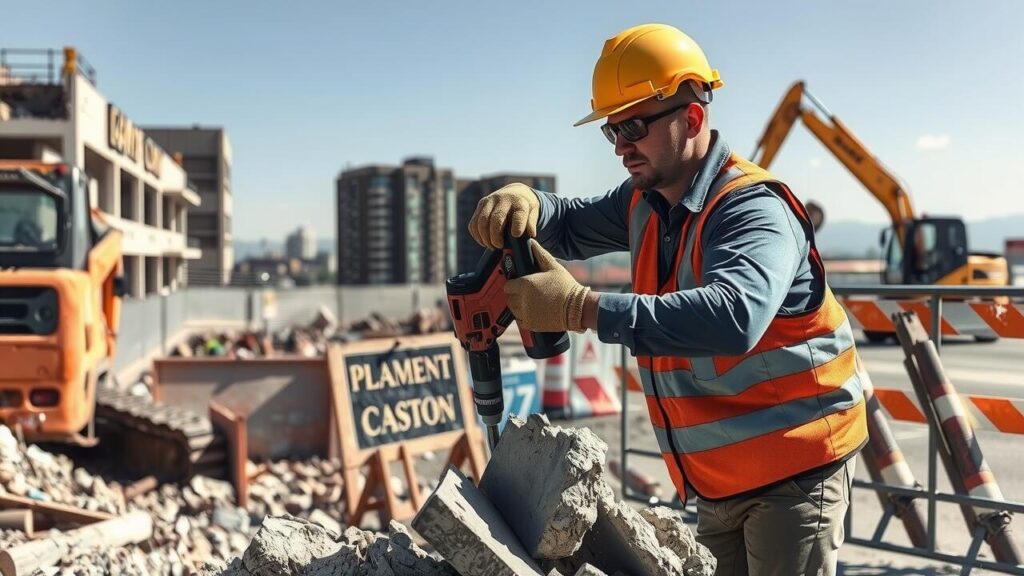
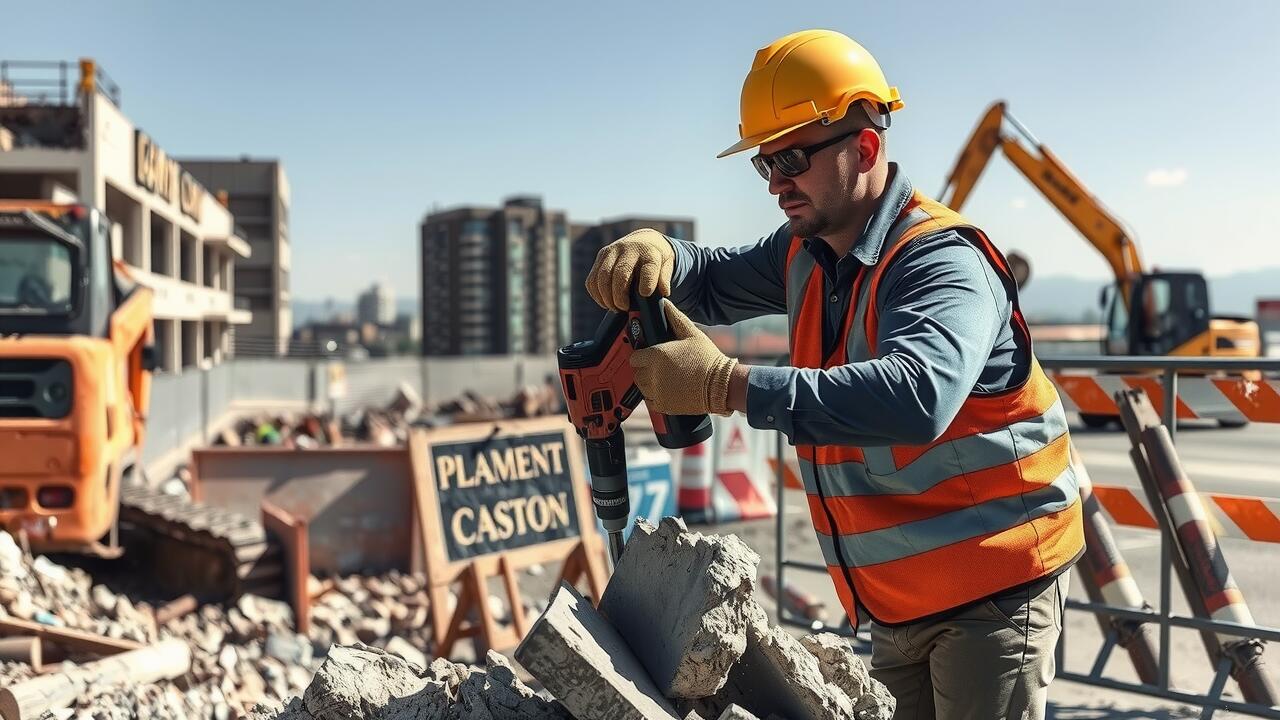
7. Use Proper Personal Protective Equipment (PPE)
Personal protective equipment is essential to protect workers from injuries.
Standard PPE for demolition projects includes:
-
Hard hats
-
Safety goggles
-
Steel-toe boots
-
Gloves
-
High-visibility clothing
-
Respirators (especially during Asbestos removal)
Workers must be trained on proper PPE usage and maintenance. Supervisors should conduct regular checks to ensure compliance.
8. Secure the Demolition Site
Public safety is just as important as worker safety. Demolition sites must be secured to prevent unauthorized access.
Safety measures include:
-
Installing fencing and barriers
-
Posting warning signs
-
Limiting access points
-
Monitoring entry and exit
If the demolition is in a busy urban area, additional measures such as traffic control and pedestrian rerouting may be necessary.
Proper site security reduces the risk of accidents involving bystanders.
9. Control Dust, Noise, and Debris
Demolition generates significant dust and debris, which can affect air quality and visibility.
Dust control methods include:
-
Water spraying
-
Dust suppression systems
-
Covering debris piles
-
Using enclosed chutes
Noise control is also important, particularly in residential or commercial zones. Contractors should follow permitted working hours and use noise-reducing equipment when possible.
Safe debris management prevents injuries and maintains a cleaner, more organized work environment.
10. Inspect and Maintain Equipment Regularly
Heavy machinery such as excavators, bulldozers, and wrecking balls are commonly used in demolition projects. Equipment failure can lead to severe accidents.
Safety practices include:
-
Daily equipment inspections
-
Routine maintenance
-
Proper operator training
-
Immediate repair of damaged machinery
Only qualified operators should handle demolition equipment. Continuous monitoring ensures machines function safely throughout the project.
11. Implement Continuous Safety Monitoring
Safety is not a one-time checklist. It must be monitored throughout the entire demolition process.
Best practices include:
-
Daily safety briefings
-
On-site supervisors
-
Hazard reporting systems
-
Immediate correction of unsafe conditions
When Hiring Demolition Contractors, ensure they prioritize a safety-first culture and conduct regular risk assessments during the project.
Ongoing supervision helps identify new risks that may arise as the structure is dismantled.
12. Plan for Emergency Situations
Even with strict precautions, unexpected incidents can occur. A clear emergency response plan can save lives.
Emergency preparation should include:
-
First-aid kits on-site
-
Fire extinguishers
-
Emergency contact numbers
-
Evacuation procedures
-
Trained first responders
Workers should know how to react quickly in case of structural collapse, fire, or injury.
Conclusion
Building demolition projects involve significant risks, but proper planning and strict safety practices can dramatically reduce hazards. From thorough site assessments to responsible debris management, every step plays a vital role in protecting workers, property, and the surrounding community.
Before Hiring Demolition Contractors, ensure they have the expertise, licensing, and commitment to safety required for your project. Additionally, hazardous materials such as asbestos must be handled professionally, with certified Asbestos removal procedures in place before demolition begins.
Prioritizing safety is not just about regulatory compliance—it is about protecting lives, minimizing environmental impact, and ensuring a smooth, successful demolition process. When safety becomes the foundation of every decision, demolition projects can be completed efficiently and responsibly.