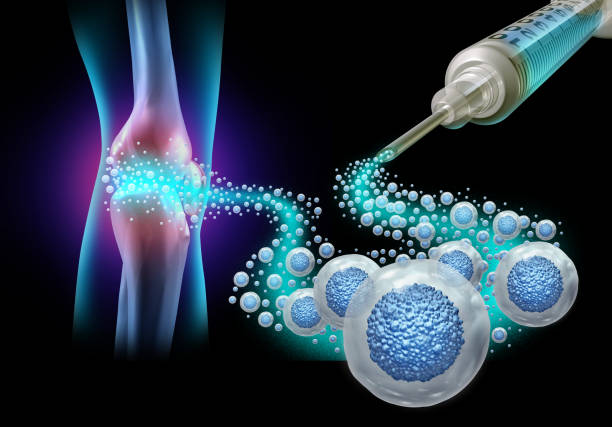
We all get hurt. It’s a fact of life. Cuts, strains, aches, injuries, sometimes minor, sometimes enough to really slow you down. For decades, the standard approach was rest, ice, maybe some meds, or surgery if it got really bad. But there’s a shift happening. Portland regenerative medicine isn’t just some buzzword, it’s a game-changer for people who want their bodies to do what they’re naturally meant to do: heal themselves. And honestly, it’s about time we stopped treating symptoms and started giving the body a real shot at recovery.
What Regenerative Medicine Really Is
At its core, regenerative medicine is about boosting your body’s own repair systems. Think stem cells, platelet-rich plasma (PRP), growth factors, tissue engineering. These aren’t random, futuristic science experiments. They’re tools that help your tissues, joints, and even organs recover faster and more fully than they would on their own. Unlike treatments that mask pain or temporarily fix a problem, regenerative medicine is more like a kick in the right direction for your cells. You’re not just surviving, you’re repairing.
This stuff works because the body already knows how to heal, it just needs help sometimes. Chronic injuries, age-related wear, or autoimmune conditions can throw a wrench in the system. Regenerative therapies basically say: “Hey, body. Remember how to fix this?” And then it nudges your cells into action. It’s not magic, it’s biology. And it’s fascinating to watch it actually work, especially when standard treatments have failed.
The Science Behind It
I won’t get all lab-rat nerdy on you, but the science is solid. Stem cells are basically blank slates. They can morph into different types of cells your body needs, like cartilage, bone, or muscle. PRP comes from your own blood—yeah, they spin it, concentrate the platelets, and inject it where it’s needed. Growth factors? Think of them as little chemical messengers that tell cells to grow, divide, and repair. Together, they create an environment that encourages tissue repair in a way your body may have forgotten how to do naturally.
It’s not a guarantee. Nothing in medicine ever is. But the results are promising. People who’ve tried everything from anti-inflammatories to surgeries report reduced pain, better mobility, and faster recovery when regenerative techniques are involved. And the kicker—side effects are minimal because you’re mostly using your own cells. Hard to argue with that.
Who Can Benefit
Honestly, a lot of people. Athletes with torn ligaments or tendons, folks with osteoarthritis, and even people recovering from surgeries that didn’t go perfectly. Older adults see benefits too—improved joint function, less inflammation, maybe even some longevity in tissue function. But regenerative medicine isn’t just about injury repair. Some protocols target overall wellness, helping reduce chronic inflammation, support immune function, and enhance recovery. It’s a proactive approach, not just reactive. You give the body tools to handle stress before it becomes a problem.
Personalized Care Is Key
One thing that can’t be stressed enough: this isn’t one-size-fits-all. Portland regenerative medicine clinics tailor treatments to individual needs. They assess your health history, your goals, your injury, and sometimes even genetic factors before deciding what combination of therapies will work best. That’s huge because if you go in thinking there’s a single miracle shot, you’ll probably be disappointed. It’s about layering approaches that complement each other and giving your body a real chance to heal.
Beyond Just Healing Injuries
Here’s where it gets interesting. Regenerative medicine can also support things we don’t often think about—skin health, cardiovascular health, and even metabolic support. Some therapies aim at slowing down degenerative processes, giving you a better shot at feeling younger and more capable longer. It’s not about fighting age, per se, but about letting your body maintain itself more smartly. That’s where “wellness” intersects with real science—your body doing what it does best with a little boost.
What to Expect in Treatment
Look, it’s not like walking into a clinic and instantly waking up 20 years younger. Regenerative medicine requires commitment. Treatments may involve a series of injections, occasional minor procedures, and follow-up assessments. Recovery is usually smoother than surgery, but it’s still there. You might feel some soreness or fatigue at first. But over weeks and months, the benefits tend to show—better range of motion, less pain, sometimes even noticeable improvements in tissue quality. And you get the satisfaction of knowing it’s your own body doing the work, not a foreign implant or synthetic drug.
Finding the Right Clinic
If you’re curious, the first step is finding a clinic you trust. Do your homework. Ask about credentials, experience, and patient results. Reviews help, but talking to a real doctor or practitioner is key. For some, a simple search like “longevity clinic near me” can turn up options, but don’t just pick the first listing. You want someone who gets the science, but also gets you. Personalized care makes a world of difference in outcomes.
Risks and Considerations
I’d be lying if I said there were zero risks. There’s always a chance of infection, temporary discomfort, or minor complications with any procedure. Some therapies aren’t covered by insurance, so cost can be a factor. And results can vary. Some people respond faster, some slower, some see partial improvements. But compared to the risks of major surgery or long-term drug use, many see regenerative medicine as a worthwhile gamble. The biggest risk? Waiting too long and letting your body deteriorate without intervention.
Why It’s Gaining Popularity
People are tired of band-aid solutions. Pain pills, cortisone shots, invasive surgeries—they can work, but they often don’t address the root cause. Regenerative medicine is appealing because it taps into something natural: your body’s own healing capacity. It’s science-backed, progressive, and—most importantly—it makes people feel in control of their recovery. That’s powerful. It’s a shift in mindset from “fix this now” to “help my body help itself.”
The Bottom Line
If you’re considering regenerative therapies, remember this: it’s not a shortcut, it’s a partnership with your body. Portland regenerative medicine can provide tools and guidance, but real healing comes from your cells, your lifestyle, and your follow-through. Done right, it can reduce pain, restore function, and maybe even slow some age-related decline. Done wrong—or half-heartedly—it’s just another failed experiment. Do the work. Trust the process. Your body is smarter than you think.
Conclusion
Regenerative medicine isn’t some trend or gimmick. It’s about helping your body remember how to heal, rebuild, and maintain itself. From sports injuries to chronic conditions, the potential is huge. And when combined with smart lifestyle choices, it can genuinely improve quality of life. So if you’re tired of just masking pain, wondering if there’s more you can do, start looking into clinics that offer this approach. Even a simple search for “longevity clinic near me in Portland” can open doors you didn’t know existed. Your body already has the answers—sometimes it just needs a nudge in the right direction.