Precision as the Foundation of Clear Vision
Clear vision begins with accurate measurement. In modern eye care, prescribing corrective lenses is not simply about adjusting lenses until something “looks better.” It is a precise scientific process that depends on reliable optical data. Even small inaccuracies in refractive values can lead to discomfort, visual fatigue, or the need for frequent prescription updates.
As clinical standards continue to rise, advanced optical measurement has become essential for delivering clear, comfortable, and stable prescriptions. By combining objective diagnostics with refined clinical expertise, eye care professionals ensure that patients receive solutions tailored precisely to their visual needs.
Understanding the Complexity of Refraction
Refraction measures how light bends as it passes through the eye’s cornea and lens before focusing on the retina. When this process is imperfect, refractive errors such as myopia, hyperopia, or astigmatism occur. Correcting these errors requires determining exact spherical, cylindrical, and axis values.
Traditional methods rely heavily on subjective feedback, asking patients to compare lens options. While subjective refinement remains an important part of the process, it can be influenced by fatigue, uncertainty, or difficulty distinguishing subtle changes.
Advanced optical measurement addresses these challenges by providing accurate baseline data before subjective refinement begins.
The Importance of Objective Baseline Data
A precise prescription starts with reliable baseline measurements. Objective measurement systems analyze how light reflects from the retina, calculating refractive values without relying solely on patient interpretation.
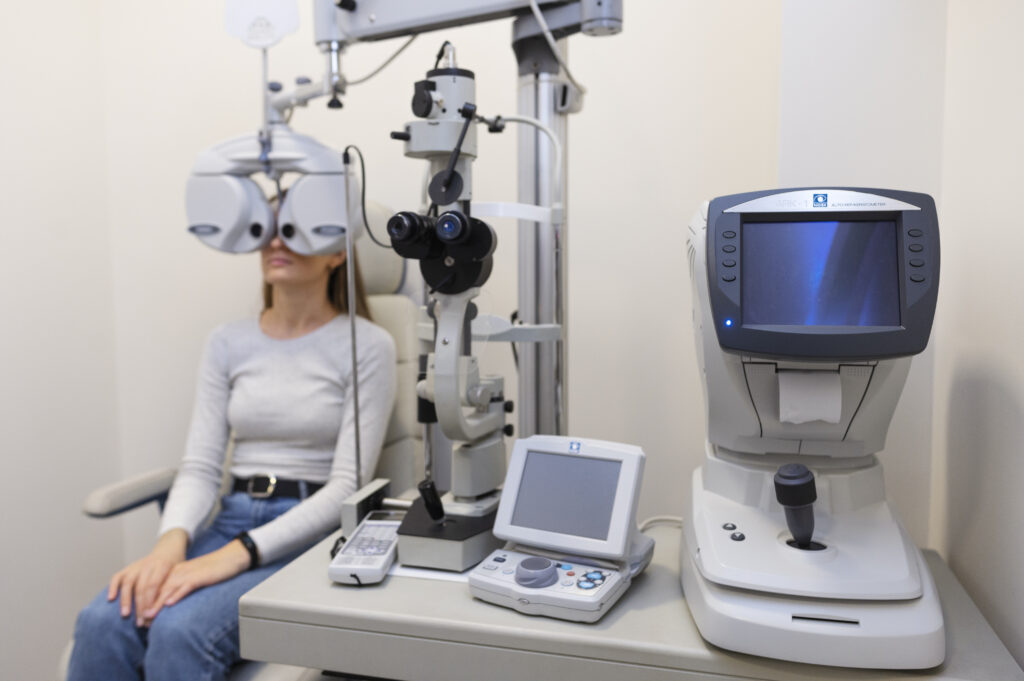
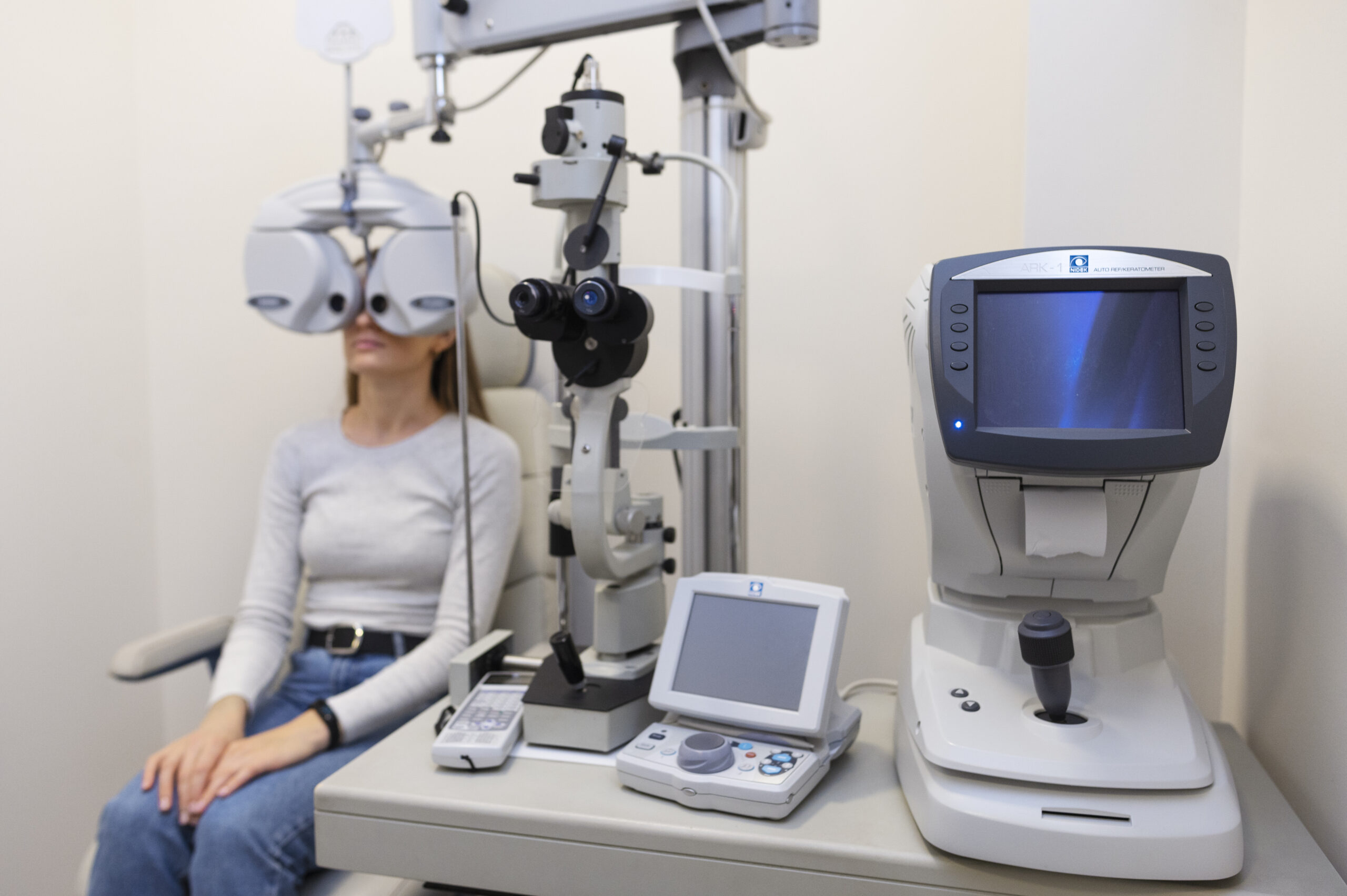
An auto refractometer plays a key role in establishing this foundation by quickly generating consistent refractive readings. These measurements guide clinicians toward more efficient and accurate refinement during the examination.
When practitioners begin with dependable data, the likelihood of overcorrection or undercorrection decreases significantly.
Minimizing Variability in Testing
Variability is one of the greatest challenges in manual refraction. Environmental lighting, patient positioning, and communication differences can all affect results. Even slight inconsistencies may alter prescription values enough to impact visual comfort.
Advanced optical systems reduce variability by standardizing measurement procedures. Automated alignment features ensure proper positioning, while digital calibration maintains measurement accuracy over time.
This consistency ensures that prescriptions remain stable and reliable across repeated visits.
Enhancing Prescription Accuracy
Prescription accuracy directly affects how comfortably patients adapt to their lenses. Small deviations in spherical or cylindrical values can cause headaches, blurred vision, or difficulty focusing.
Advanced optical measurement reduces these risks by narrowing the range of adjustments needed during subjective testing. Clinicians can focus on fine-tuning rather than searching for approximate values.
The result is clearer vision, faster adaptation, and fewer follow-up visits for prescription adjustments.
Supporting Long-Term Vision Stability
Clear prescriptions are not just about immediate results—they also influence long-term visual health. Accurate measurements allow clinicians to track subtle refractive changes over time.
By comparing current data with previous records, practitioners can detect early shifts that may indicate progressive conditions. This proactive approach supports preventive care and more effective treatment planning.
Stable, consistent measurements create a stronger foundation for ongoing eye health management.
Improving Clinical Efficiency
In busy clinical environments, efficiency matters. Advanced optical measurement systems reduce the time required for initial testing while maintaining high precision.
Shorter baseline measurement times allow clinicians to dedicate more attention to patient education and comprehensive evaluations. Efficient workflows enhance productivity without compromising quality.
Patients also benefit from smoother examinations with fewer repetitive adjustments and less visual fatigue.
Strengthening Patient Confidence
Patients may not fully understand the technical aspects of refraction, but they recognize clear outcomes and professional processes. When prescriptions feel precise and stable, trust in the clinic grows.
Explaining that advanced optical measurement technology is used to ensure accuracy reassures patients that their vision care is grounded in scientific rigor. Confidence in the diagnostic process encourages long-term relationships and compliance with recommended treatments.
Trust is strengthened when precision is evident.
Reducing Human Error
Manual testing methods depend heavily on practitioner skill and patient responses. While clinical expertise remains essential, human factors can introduce variability.
Advanced optical systems minimize these influences by automating key measurement steps. Automation does not replace professional judgment—it enhances it by providing reliable data that supports confident decision-making.
Reducing human error leads to more consistent outcomes and improved patient satisfaction.
Aligning with Modern Eye Care Standards
Healthcare today emphasizes measurable results, standardized procedures, and evidence-based practice. Advanced optical measurement aligns perfectly with these principles.
Digital integration allows data to be recorded accurately and compared over time. Clinics that adopt advanced diagnostic systems demonstrate commitment to maintaining high standards of care.
Modern eye care depends on technology-driven precision to meet evolving patient expectations.
Conclusion: Precision Leads to Clearer Vision
Advanced optical measurement is essential for delivering clear prescriptions because it provides accuracy, consistency, and reliability. By reducing variability, enhancing baseline precision, and supporting efficient workflows, modern diagnostic tools elevate the standard of care.
Clear vision is not achieved by approximation—it is achieved through scientific measurement and careful refinement. As technology continues to evolve, advanced optical systems will remain central to ensuring that patients receive prescriptions that are not only clear but also stable and comfortable over time.
Precision in measurement ultimately translates to confidence in care and clarity in everyday life.