Introduction
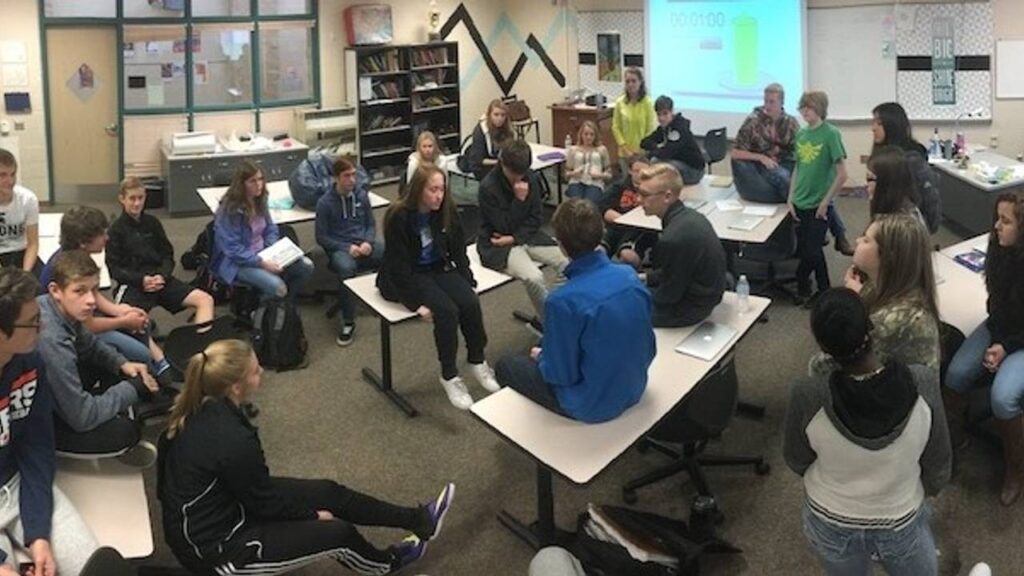
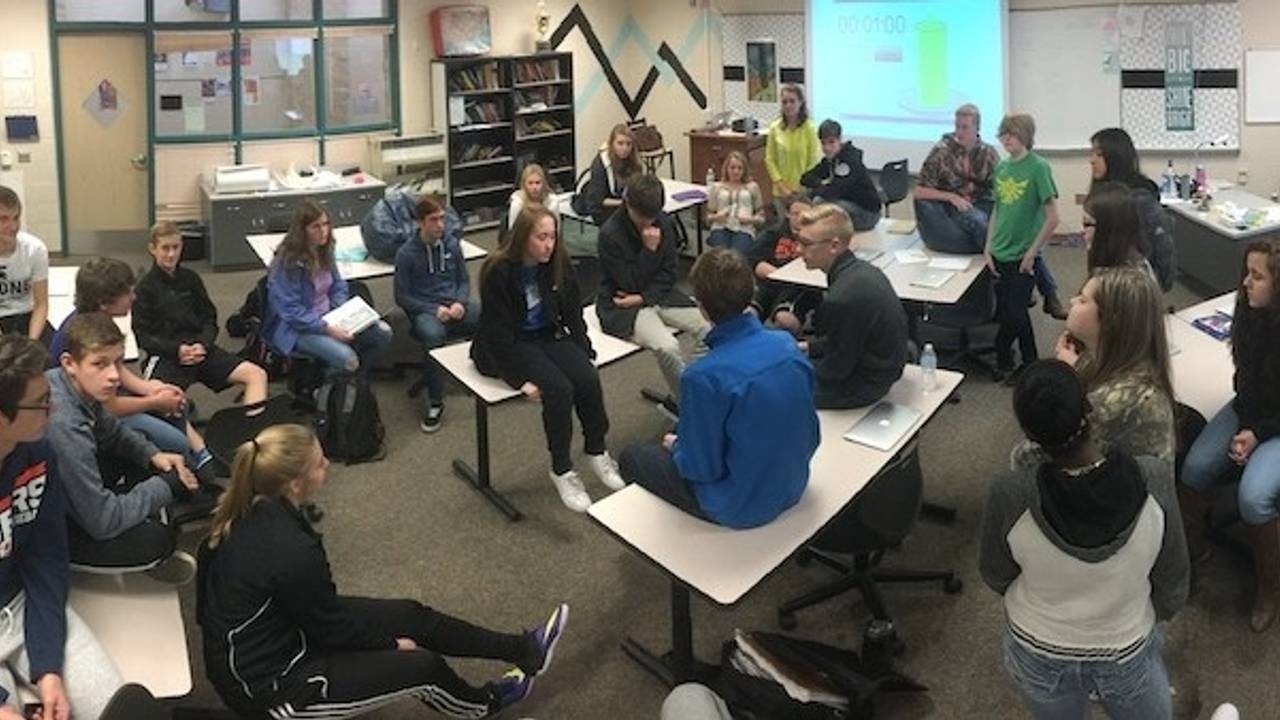
Fishbowl activity is a structured discussion method that helps students participate more thoughtfully in group conversations. Instead of having everyone speak at once, this approach organizes learners into two circles — one active and one observing — to create a focused and respectful discussion environment.
The Fishbowl activity works because it balances speaking and listening. While one small group discusses a topic in the inner circle, the outer circle listens carefully, observes patterns, and prepares to respond. This setup encourages students to think deeply before speaking and to value different perspectives.
What Is a Fishbowl Activity?
A Fishbowl activity is a collaborative discussion format. Students are divided into two groups:
-
Inner Circle: Actively discusses the topic
-
Outer Circle: Observes, listens, and takes notes
After a set period, the groups may switch roles so everyone gets a chance to speak and observe.
This structure reduces chaos in group discussions and ensures that conversations stay organized and meaningful.
How the Fishbowl Strategy Works in Practice
The Fishbowl strategy is simple but effective. Here’s how it typically unfolds:
-
The teacher introduces a topic or question.
-
A small group sits in the center and begins discussing.
-
The outer group listens without interrupting.
-
Observers note key ideas, strong arguments, or areas needing clarification.
-
Roles switch after a specific time.
For example, in a literature class discussing a novel, the inner circle might analyze a character’s motivations while the outer circle observes how well participants support their ideas with evidence. When roles switch, the new speakers build on earlier points or offer new interpretations.
This structured method ensures that every student has a chance to engage, either by speaking or actively listening.
Benefits of the Fishbowl Exercise
1. Encourages Active Listening
Unlike traditional discussions where students wait for their turn to talk, the Fishbowl exercise requires the outer circle to truly listen. Observers are often given specific tasks, such as identifying strong arguments or noting unanswered questions.
2. Builds Confidence
Some students feel nervous speaking in front of large groups. The smaller inner circle feels less overwhelming, helping quieter students gain confidence.
3. Promotes Critical Thinking
Since students must respond thoughtfully rather than speak randomly, the quality of discussion improves. Participants learn to support their opinions with reasoning and examples.
4. Teaches Respectful Communication
Because interruptions are limited and speaking roles are clear, students practice respectful dialogue — a skill that benefits them beyond the classroom.
Real-Life Classroom Example
Imagine a social studies class holding a Fishbowl Discussion on whether social media has a positive or negative impact on society. The teacher selects five students for the inner circle.
The inner group discusses key points:
-
Privacy concerns
-
Influence on mental health
-
Role in spreading awareness
Meanwhile, the outer circle listens carefully and writes down:
-
Strong supporting arguments
-
Missing viewpoints
-
Questions to ask later
After ten minutes, the outer circle joins the discussion, building on previous ideas. This layered conversation often leads to deeper insights than a typical open-floor debate.
Fishbowl Teaching Strategy Beyond Schools
Although commonly used in classrooms, the Fishbowl teaching strategy is also effective in:
-
Corporate training sessions
-
Leadership workshops
-
Community discussions
-
Professional development meetings
For instance, in a workplace setting, one group might discuss solutions to a project challenge while others observe communication styles and teamwork dynamics. This not only improves problem-solving but also builds communication awareness.
Tips for Running a Successful Fishbowl Activity
Keep Groups Small
The inner circle should have 4–6 participants to keep discussion manageable.
Set Clear Rules
Explain expectations about listening, speaking time, and respectful behavior.
Provide Guiding Questions
Structured prompts help maintain focus and prevent the conversation from drifting.
Rotate Roles
Ensure everyone gets a chance to participate in both circles.
Debrief at the End
After the discussion, reflect as a whole group. Ask students what they learned from speaking and observing.
Common Challenges and Solutions
Uneven Participation
If a few students dominate, assign speaking time limits.
Passive Observers
Give the outer circle specific tasks, such as evaluating argument quality or noting evidence used.
Off-Topic Discussion
Use guiding questions and gentle reminders to bring focus back.
With thoughtful planning, these challenges can be minimized.
Why This Method Stands Out
The strength of the Fishbowl activity lies in its simplicity. It does not require advanced technology or complicated materials. All it needs is a clear structure and a meaningful topic.
By combining active discussion with careful observation, it teaches students that listening is just as important as speaking. Over time, learners become more thoughtful communicators and stronger critical thinkers.
Conclusion
The Fishbowl activity is more than just a classroom discussion format. It is a practical way to build confidence, encourage respectful dialogue, and deepen understanding. Whether used in schools, colleges, or professional settings, this structured approach helps participants engage more meaningfully.
By creating space for both speaking and listening, the Fishbowl strategy turns ordinary discussions into opportunities for real learning and reflection.