
Warehouse Safety tips you need to Know
Warehouse safety has always been essential, but recent COVID-19 lock downs have highlighted just how critical warehouse employees—and their health and safety—are to keeping society running.
Below are nine key tips to help protect warehouse workers from injury, illness, and even death. As an added benefit, a safer workplace leads to more productive employees and lower turnover.
1. Keep areas clean and organized
Dispose of trash and recyclables promptly. Keep work surfaces neat and orderly. Improve movement and efficiency by grouping related items logically. Clean spills immediately and keep spill-control tools on hand. Mark work zones on the floor, secure loose cables, and remove trip hazards to minimize slips and falls.
2. Ensure only certified personnel operate equipment:
This may seem straightforward, but it’s worth emphasizing: never bypass certification requirements. Training teaches operators how to safely load, unload, maneuver, and maintain forklifts and other equipment.
3. Establish clear forklift routes:
Forklift and pallet jack pathways must be well defined.
Note: With modern lithium-ion batteries, which can fully charge in about an hour—there’s no need to remove heavy batteries or maintain charging rooms. These updates may also allow you to simplify or adjust forklift routes.
4. Provide and use appropriate PPE:
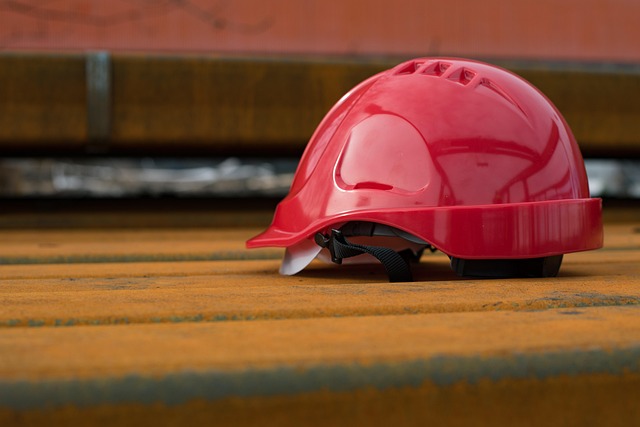
Personal protective equipment should suit your warehouse conditions and may include safety vests, steel-toe boots, and hard hats. Recent changes may also require masks, gloves, and safety goggles to reduce the spread of contagious illnesses.
5. Inspect equipment routinely:
Regularly check and maintain racks, conveyors, and lifting equipment. A detailed forklift operator checklist can offer further guidance.
6. Conduct regular safety training:
Train all new employees and schedule ongoing sessions quarterly or as needed. Be prepared to update safety procedures in response to new equipment or environmental changes.
7. Optimize your warehouse layout:
Design a workflow that makes sense. Minimize difficult or unsafe movements for both people and equipment. Consider a wide range of factors when planning or updating your layout.
8. Create a plan and run drills:
Develop emergency procedures for fires, lock downs, and local natural disasters such as tornadoes, earthquakes, or floods. Practice drills help employees respond more calmly and effectively in real emergencies.
9. Promote open communication:
Encourage feedback from workers. A safety suggestion box can provide anonymous input, while regular safety meetings can uncover improvements that reduce risk, protect health, and boost morale.





One Response
Warehouse safety isn’t just about hard hats and functional machinery; it’s also about listening to your body during intense physical labor. Constant lifting and being on your feet all day create immense tension, which is vital to release in order to avoid injuries caused by fatigue. Personally, I found that visiting a erotic massage regularly after heavy shifts is a total lifesaver, as professional muscle relaxation restores coordination and energy. This kind of self-care helps keep the body in peak condition and maintains the sharp focus required in high-risk zones. I highly recommend everyone find their own way to recover, because safety truly begins with your own well-being.