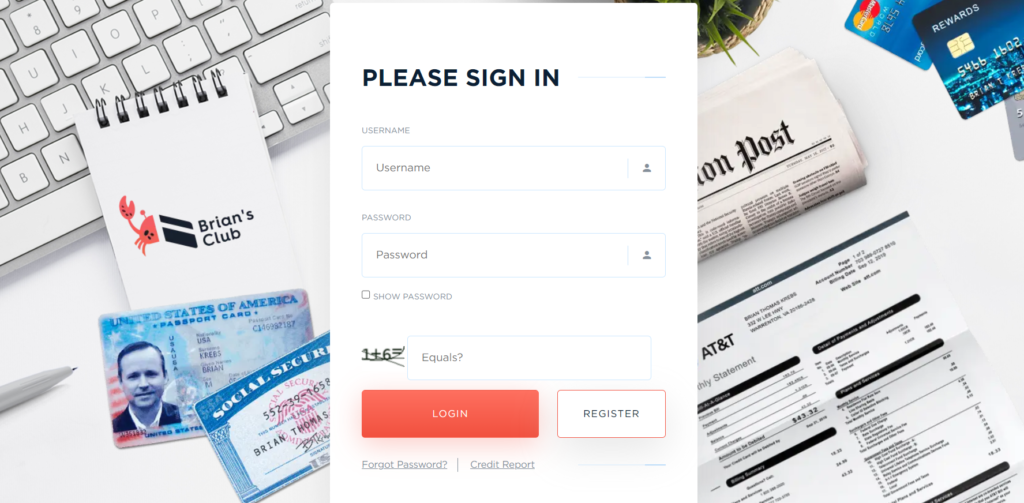
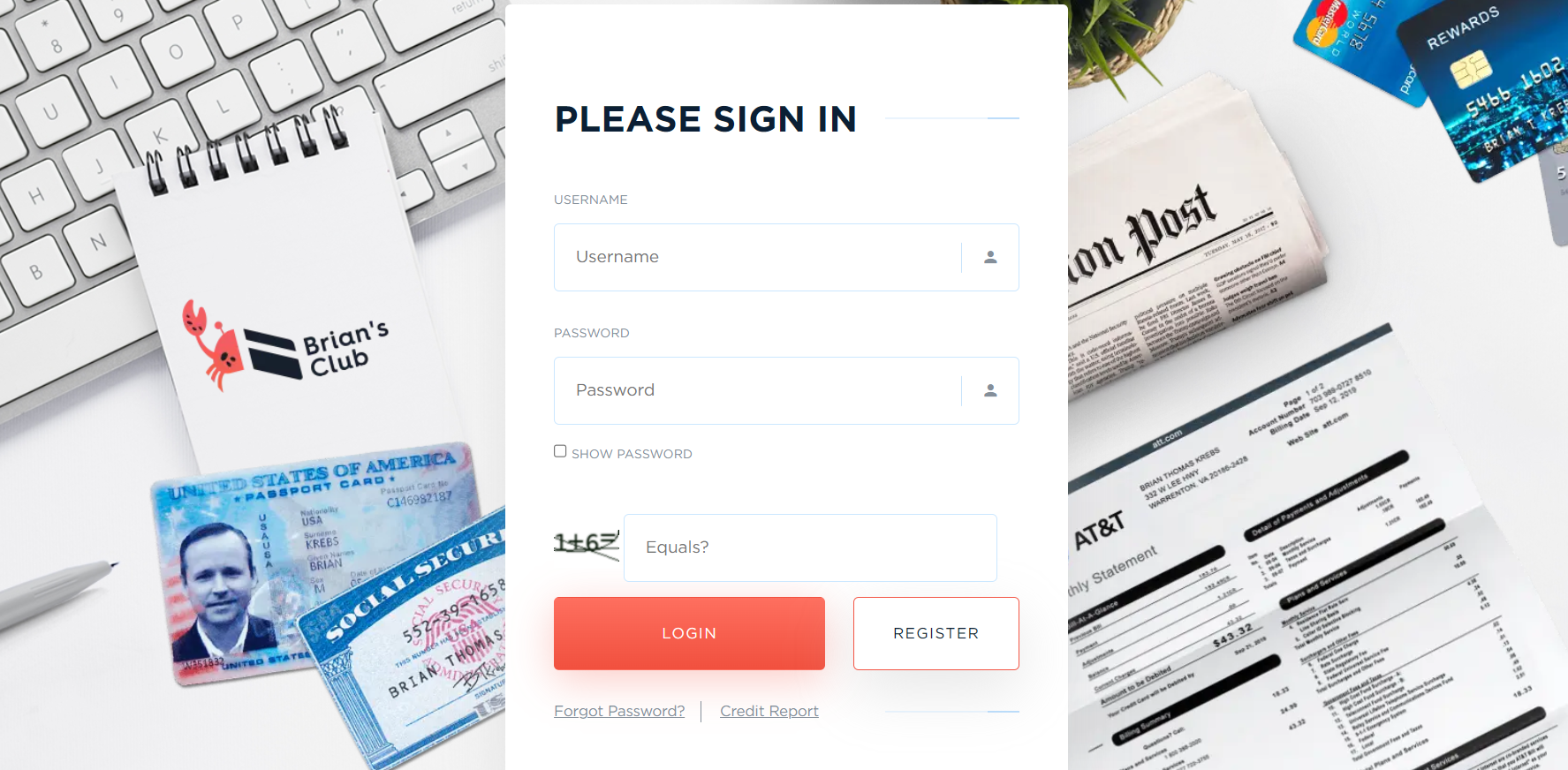
The online world moves fast, and with that speed comes a flood of new terms that can feel confusing or even tempting. One phrase many people encounter is bclub, often discussed alongside dumps, RDP access, and CVV2 shop topics. For readers who are not experts in cybersecurity, this mix of words can raise a simple but important question: what does it all really mean, and why should people be careful?
To understand the bigger picture, it helps to explain these terms in everyday language. Dumps usually refer to copied payment card data taken from magnetic stripes. This data can be misused for unauthorized purchases or to create cloned cards. RDP access stands for Remote Desktop Protocol access, which is a legitimate technology when used with permission, but illegal when it involves entering someone else’s computer or server without approval. A CVV2 shop typically refers to places where card verification details are traded. When these ideas appear together, they are most often linked to online fraud rather than lawful digital services.
Many people search for bclub out of curiosity. Some see the term mentioned in comments or forums and want to understand what it is. Others may think it offers shortcuts to quick income or advanced technical skills. The problem is that these assumptions often hide serious risks that are not obvious at first glance.
One of the biggest concerns connected to dumps, unauthorized RDP access, and CVV2 activity is the legal risk. In most countries, buying, selling, or even holding stolen financial data is a criminal offense. Gaining access to systems without permission is also illegal. Even if someone believes they are anonymous online, digital actions leave trails. Messages, payments, and access logs can be tracked and linked back to real individuals, sometimes long after the activity has ended.
Trust is another major issue. Communities that discuss these topics rarely offer real protection for users. There are no verified sellers, no guarantees, and no official customer support. If someone pays for access or data and receives nothing, there is no safe way to recover the money. Scams are extremely common, and many users lose funds to people who vanish shortly after payment.
Cybersecurity threats make the situation even more dangerous. Files shared as “tools” or “access information” often contain hidden malware. Once installed, this malware can steal passwords, record keystrokes, or give attackers control over the device. Some users only realize something is wrong when their email accounts, social media profiles, or bank details are already compromised.
There is also the risk of becoming a direct target. Showing interest in dumps or RDP access can attract criminals who pretend to be helpful mentors or partners. They may slowly build trust, ask personal questions, and gather information. Later, this information can be used for scams, identity theft, or even blackmail using saved conversations or transaction records.
Beyond personal loss, there is an ethical side that should not be ignored. Financial fraud affects real people. Victims may lose savings, face stress, and spend months repairing their financial records. Unauthorized system access can disrupt businesses, damage reputations, and interfere with essential services. Even indirect involvement supports activities that cause real harm to others.
Another warning sign is instability. Communities associated with bclub-style discussions often change names, move locations, or disappear suddenly. This constant shifting usually signals a lack of legitimacy. Trusted online services do not rely on secrecy or frequent changes to survive. Sudden shutdowns can leave users exposed, especially if personal information has already been shared.
For beginners, the language used in these spaces can be misleading. Words like “shop,” “access,” or “services” sound professional and harmless. Without technical experience, it is easy to misunderstand what is actually being offered. Many people only understand the true nature of these activities when they face financial loss, device compromise, or legal trouble.
It is also important to understand that there is no safe level of participation in illegal online activity. Some believe that browsing, observing, or testing will not cause harm. In reality, even small actions can have serious consequences. Downloading the wrong file or joining the wrong group can expose devices and personal data to long-term risk.
If interest in these topics comes from a desire to learn technology or cybersecurity, there are safer and legal alternatives. Ethical cybersecurity focuses on protecting systems, not exploiting them. Online courses, certifications, and practice labs allow people to build real skills without breaking the law. These paths may take more time and effort, but they offer long-term value and genuine career opportunities.
Staying safe online requires awareness and critical thinking. Be cautious of promises that sound too easy or too secret. Avoid communities that normalize illegal behavior or downplay legal risks. Protect your devices with updated software, strong passwords, and trusted security tools. Simple habits can prevent serious problems before they start.
Discussions around bclub, dumps, RDP access, and CVV2 shop topics highlight the importance of digital literacy. The internet offers many opportunities, but it also hides serious dangers. Understanding how online fraud works helps users avoid traps and make informed decisions.
Choosing a legal and ethical path may not feel exciting at first, but it protects your future. Shortcuts that involve risk often lead to stress, loss, and regret. By focusing on learning, responsibility, and online safety, people can explore the digital world with confidence instead of fear.
In the end, asking questions and seeking clear information is always the smartest move. When something feels unclear or risky, stepping back is often the best decision. Knowledge, patience, and caution are far more valuable than any shortcut that promises quick results.
Keywords: bclub, dumps, RDP access, CVV2 shop, online safety, cybersecurity awareness, digital risks, fraud prevention, internet security