Surgery has undergone a remarkable transformation in recent years, with minimally invasive procedures becoming the preferred choice for many patients. One of the most advanced techniques available today is laparoscopic surgery, commonly referred to as keyhole surgery. Unlike traditional open surgery, which requires large incisions, laparoscopic procedures involve only a few small cuts. Using a camera and specialized surgical tools, surgeons can treat a variety of conditions with precision while reducing pain, minimizing scarring, and speeding up recovery. In Islamabad, patients seeking high-quality laparoscopic care often consult Royal Cosmetic Surgery, a clinic renowned for its advanced surgical facilities and experienced team of surgeons.
What is Laparoscopic Surgery?
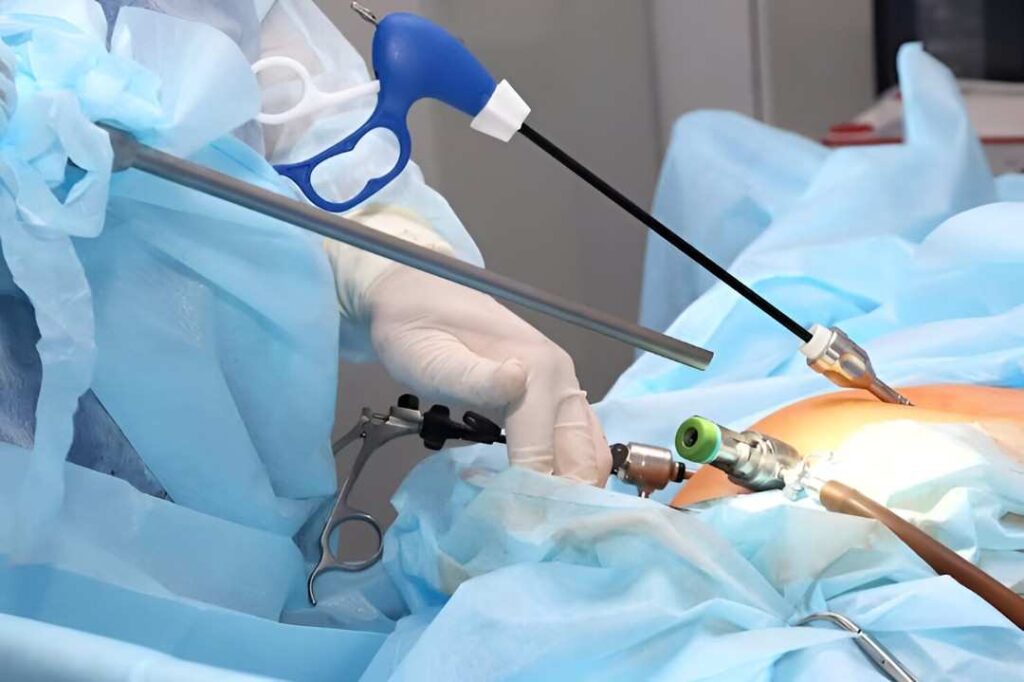
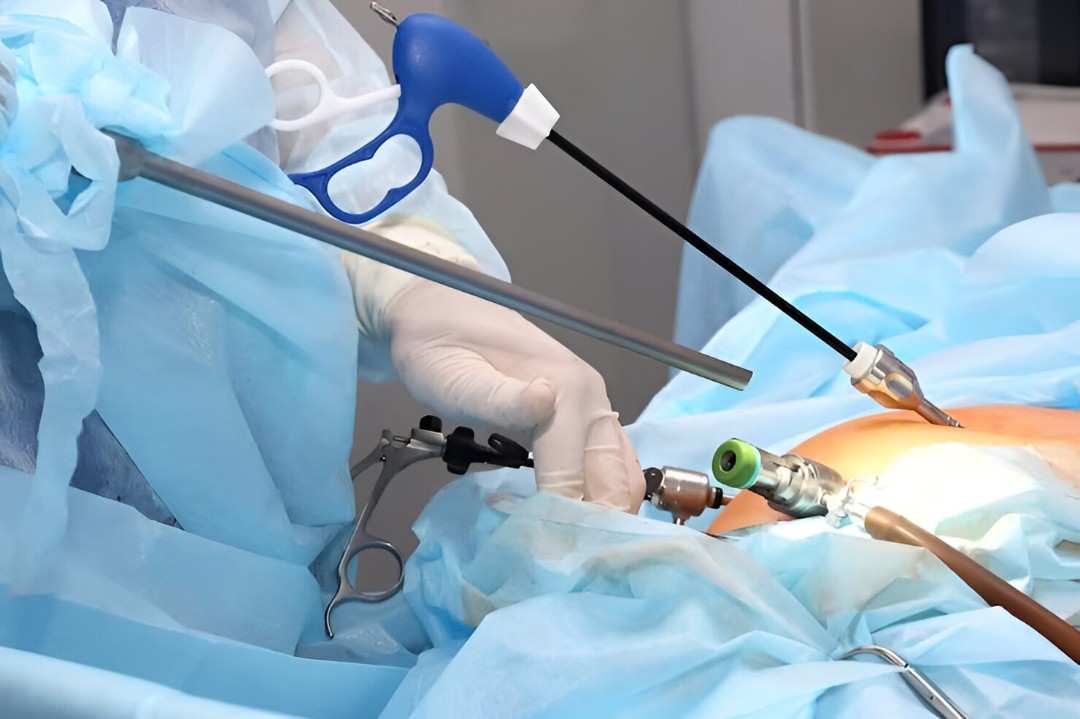
Laparoscopic surgery is a minimally invasive surgical method used to diagnose and treat conditions inside the abdomen and pelvis. The procedure involves making several small incisions rather than a single large one. A laparoscope, which is a thin tube with a high-resolution camera, is inserted through one incision to provide a magnified view of the internal organs on a monitor. Other small openings are used to insert specialized surgical instruments that perform the operation. Because the surrounding muscles and tissues are largely preserved, the patient experiences less pain, faster recovery, and smaller scars compared to traditional surgery.
Why Is Laparoscopic Surgery Done?
Doctors recommend laparoscopic surgery when a minimally invasive approach can achieve the desired outcome with fewer risks and complications. The key benefits include reduced post-operative pain, lower infection risk, shorter hospital stays, and faster recovery. It is particularly useful when a condition requires both diagnosis and treatment in the same session. For example, patients with gallstones, hernias, or ovarian cysts can have their issues identified and addressed in a single laparoscopic procedure, avoiding multiple surgeries and anesthesia exposures.
What is Laparoscopic Surgery Used For?
Patients often ask, “Laparoscopic surgery for what conditions is it suitable?” This technique has a wide range of applications across various medical specialties:
Digestive System Surgeries: Gallbladder removal (cholecystectomy), appendectomy, and select bowel procedures.
Hernia Repairs: Treatment of inguinal, umbilical, and ventral hernias using smaller incisions, leading to faster healing.
Gynecological Procedures: Removal of ovarian cysts, treatment of endometriosis, and certain hysterectomies.
Bariatric Surgeries: Weight-loss surgeries such as gastric sleeve and gastric bypass benefit from the minimally invasive approach, reducing tissue trauma and shortening recovery time.
Because the procedure is precise and camera-guided, it can be used for both diagnosis and treatment in the same session, ensuring a comprehensive solution for many conditions.
What to Eat Before Laparoscopic Surgery
Proper preparation, including nutrition, is essential for safe surgery. Patients are typically advised to consume light, easily digestible foods before the procedure, such as soups, boiled vegetables, porridge, and yogurt. Fried, spicy, and heavy foods should be avoided as they may interfere with digestion and anesthesia. Fasting is usually required several hours before surgery to ensure an empty stomach, which reduces the risk of complications. Patients are also advised to avoid alcohol and smoking prior to surgery.
What to Eat After Laparoscopic Surgery
Diet after surgery plays a critical role in recovery. Patients are generally advised to start with clear fluids such as water, broth, or electrolyte drinks. Gradually, soft foods like oatmeal, mashed potatoes, yogurt, eggs, and bananas are introduced. As digestion improves, lean protein and vegetables can be added to support tissue repair and energy restoration. Smaller, frequent meals are preferable, while fried, spicy, or processed foods are avoided until the digestive system fully stabilizes. A balanced post-operative diet helps reduce inflammation and speeds up the healing process.
How Many Stitches in Laparoscopic Surgery
One of the advantages of laparoscopic surgery is the minimal number of stitches required. Most procedures involve three to five small incisions. Each incision is typically closed with a single stitch, dissolvable sutures, or surgical adhesive strips. Some stitches dissolve naturally, while others may be removed by a surgeon after 7–14 days. Fewer stitches reduce the risk of infection, minimize pain, and leave smaller scars. Proper wound care, such as keeping the area clean and dry, is essential for optimal healing.
Laparoscopic Surgery Recovery Time
Recovery from laparoscopic surgery is generally faster than traditional open surgery. Most patients can walk within 24 hours, and minor procedures may allow same-day discharge. Light activities can usually resume within 1–2 weeks, and office-based work may be possible in this period. More physically demanding tasks, such as heavy lifting or intense exercise, may require 3–6 weeks of recovery. Some patients may experience mild bloating or shoulder discomfort due to the gas used during surgery, but these symptoms typically resolve quickly. Following post-operative instructions and attending follow-up appointments ensures a safe and smooth recovery.
Laparoscopic Surgery Cost in Islamabad
The cost of laparoscopic surgery in Islamabad depends on the procedure type, duration, anesthesia, hospital facilities, and surgeon expertise. At Royal Cosmetic Surgery, prices start from PKR 150,000 for standard procedures, with higher costs for complex surgeries. While budgeting is important, patients should prioritize clinic quality, surgical expertise, and safety standards. Personalized consultations help provide accurate cost estimates based on the patient’s condition and procedure requirements.
Advantages of Laparoscopic Surgery
Laparoscopic surgery offers numerous benefits:
-
Smaller scars and improved cosmetic results
-
Reduced post-operative pain and discomfort
-
Shorter hospital stays and faster recovery
-
Lower infection risk
-
Precision surgery with minimal tissue trauma
These benefits make laparoscopic surgery the preferred choice for many abdominal, gynecological, and bariatric procedures.
Why Choose Royal Cosmetic Surgery
Royal Cosmetic Surgery is a leading center for laparoscopic surgery in Islamabad, offering state-of-the-art facilities and highly trained surgeons. The clinic provides personalized consultations, pre- and post-operative guidance, and ensures strict adherence to hygiene and safety standards. Patients receive comprehensive care throughout the surgical journey, ensuring safe procedures, minimal discomfort, and faster recovery.
Conclusion
Laparoscopic surgery is a modern, safe, and minimally invasive solution for a variety of conditions, including gallbladder problems, hernias, gynecological issues, and bariatric procedures. With smaller incisions, reduced pain, and faster recovery, it has become a preferred surgical approach for many patients. Those seeking laparoscopic surgery in Islamabad can rely on Royal Cosmetic Surgery for expert care, modern facilities, and thorough guidance before, during, and after the procedure. Following preparation, dietary recommendations, and post-operative instructions ensures smooth healing and a safe return to daily life.