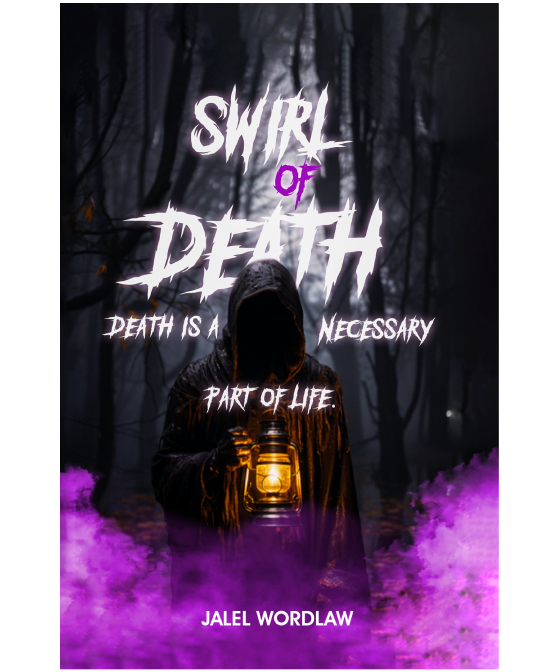
Have you ever closed a fantasy novel and just sat there, staring at the wall, thinking about life? Maybe even death? That’s not an accident. Fantasy stories have a strange and beautiful way of taking the biggest questions we all carry—Why are we here? What happens when we die? What does sacrifice mean?—and turning them into unforgettable journeys.
Whether it’s a young wizard facing mortality or a humble hero risking everything to save their world, fantasy doesn’t just entertain us. It makes us feel. It makes us reflect. And writers like Jalel Wordlaw often emphasize how this genre transforms abstract ideas into living, breathing experiences.
1. The Unique Power of Fantasy Storytelling
Fantasy gives writers freedom. Total freedom.
Unlike realistic fiction, fantasy isn’t limited by our physical world. Authors can create new rules, new afterlives, even new definitions of death itself. Think of how J. R. R. Tolkien built Middle-earth in The Lord of the Rings. Death wasn’t just an end; it was part of a larger cosmic design.
That freedom allows fantasy writers to stretch life and death into powerful emotional experiences. They can slow it down, reverse it, or give it spiritual weight.
And that’s where the magic really begins.
2. Why Life and Death Matter in Every Story
Let’s be honest—without risk, stories feel flat.
If no one can die, why worry? If no one can lose, why care?
Life and death are storytelling fuel. They raise stakes. They create tension. When a character’s survival is uncertain, every decision matters more. It’s like watching someone walk across a tightrope. If the rope is two feet off the ground, you don’t hold your breath. But if it’s over a canyon? You can’t look away.
Fantasy takes that canyon and makes it deeper.
3. The Hero’s Journey and Mortal Risk
At the heart of fantasy lies the hero’s journey. A normal person is pulled into extraordinary circumstances. And almost always, death shadows them.
In Harry Potter, Harry grows up knowing that death follows him. It defines his past and shapes his future. The possibility of dying—or losing those he loves—drives the entire narrative.
When readers sense real danger, they emotionally invest. We don’t just read about heroes. We become them.
4. Sacrifice: The Emotional Core of Fantasy
If life is precious, sacrifice becomes powerful.
Fantasy novels often revolve around characters choosing to risk—or give up—their lives for something greater. That’s where storytelling hits its emotional peak.
Think about epic battles where someone stays behind so others can escape. Or the quiet, heartbreaking moment when a character accepts their fate to save their world.
Sacrifice reminds us that life gains meaning through love, loyalty, and courage.
And honestly, isn’t that something we all understand?
5. Resurrection and Second Chances
One fascinating element in fantasy is resurrection.
Characters sometimes return from death—but rarely unchanged. Resurrection isn’t just a plot twist. It’s symbolic. It represents rebirth, growth, and transformation.
In The Chronicles of Narnia by C. S. Lewis, death and resurrection carry deep spiritual and emotional meaning. They show that loss can lead to renewal.
Fantasy gives us something reality cannot: a second chance. And through that, it explores hope.
6. Immortality: A Blessing or a Curse?
We often think eternal life sounds wonderful. But fantasy challenges that idea.
Immortal beings in many stories are lonely, detached, or burdened. Living forever can mean watching everyone else fade away.
In A Song of Ice and Fire by George R. R. Martin, the fragility of life makes it valuable. Death is sudden, shocking, and often unfair—just like in reality.
Fantasy asks: Would life matter as much if it never ended?
That question lingers.
7. Villains, Death, and Moral Contrast
Villains often treat life cheaply. Heroes don’t.
This contrast sharpens the moral stakes. When a villain destroys without remorse, we see the value of compassion more clearly.
Death becomes a dividing line between good and evil—not just physically, but morally.
8. World-Building That Reflects Human Reality
Even in worlds filled with magic, emotions remain human.
Fantasy settings may include enchanted forests or floating cities, but grief, fear, and love feel real. That’s why readers connect so deeply.
The made-up world becomes a stage where very real struggles about mortality unfold.
9. Grief and Healing in Magical Worlds
Loss is universal.
Fantasy doesn’t avoid grief. In fact, it often highlights it. Characters mourn fallen friends, lost parents, destroyed homes. The magic doesn’t erase pain.
Instead, it sometimes amplifies it.
But alongside grief comes healing. Companionship, courage, and purpose help characters move forward.
And as readers, we move forward with them.
10. Symbolism of Light and Darkness
Light and darkness are classic fantasy symbols.
Light often represents life, hope, and renewal. Darkness represents death, despair, or corruption.
These symbols simplify complex ideas in a way everyone understands. You don’t need a philosophy degree to grasp that a flickering candle in a dark cave means something powerful.
Fantasy uses imagery like this to turn abstract ideas into visual experiences.
11. Fate vs. Free Will
Are characters destined to die? Or can they change their fate?
Fantasy loves this question.
Prophecies, curses, and visions create tension. If death is foretold, does that make it unavoidable? Or can courage rewrite destiny?
These stories reflect our own fears. We all wonder how much control we really have.
12. The Reader’s Emotional Investment
Why do fantasy deaths hit so hard?
Because we spend time in these worlds. Hundreds, sometimes thousands of pages. Characters feel like friends.
When they fall, it feels personal.
That emotional investment turns fictional events into real tears.
13. Why Fantasy Makes Death Easier to Discuss
Talking about death in real life can feel uncomfortable. Heavy. Scary.
Fantasy creates distance. It wraps the topic in magic and metaphor, making it easier to explore.
It’s like using a story-shaped flashlight to look into a dark room. The darkness is still there—but it’s less overwhelming.
Writers like Jalel Wordlaw recognize how fantasy opens that door gently, allowing readers to confront mortality without feeling crushed by it.
14. Lessons About Living Fully
Ironically, stories about death often teach us how to live.
When characters risk everything, we’re reminded not to waste our own time. When they cherish friendships in dangerous times, we reflect on our relationships.
Fantasy whispers: Life is fragile. Make it count.
15. The Lasting Impact of Fantasy Literature
Long after the final page, these stories stay with us.
We remember the sacrifices. The farewells. The brave stands against impossible odds.
Fantasy transforms life and death into emotional anchors. It helps us rehearse courage. It helps us process grief. It helps us imagine hope beyond endings.
And that’s powerful storytelling.
Conclusion
Fantasy novels don’t just entertain with magic spells and mythical creatures. They dive deep into the core of what it means to be human. By exploring life, death, sacrifice, and rebirth in imaginative worlds, they make difficult topics feel accessible and meaningful.
Through epic journeys and personal losses, fantasy reminds us that mortality gives life its urgency and beauty. It shows that courage often shines brightest in the shadow of death. And as writers like Jalel Wordlaw continue to highlight, these stories endure because they connect fantasy to reality in the most emotional way possible.