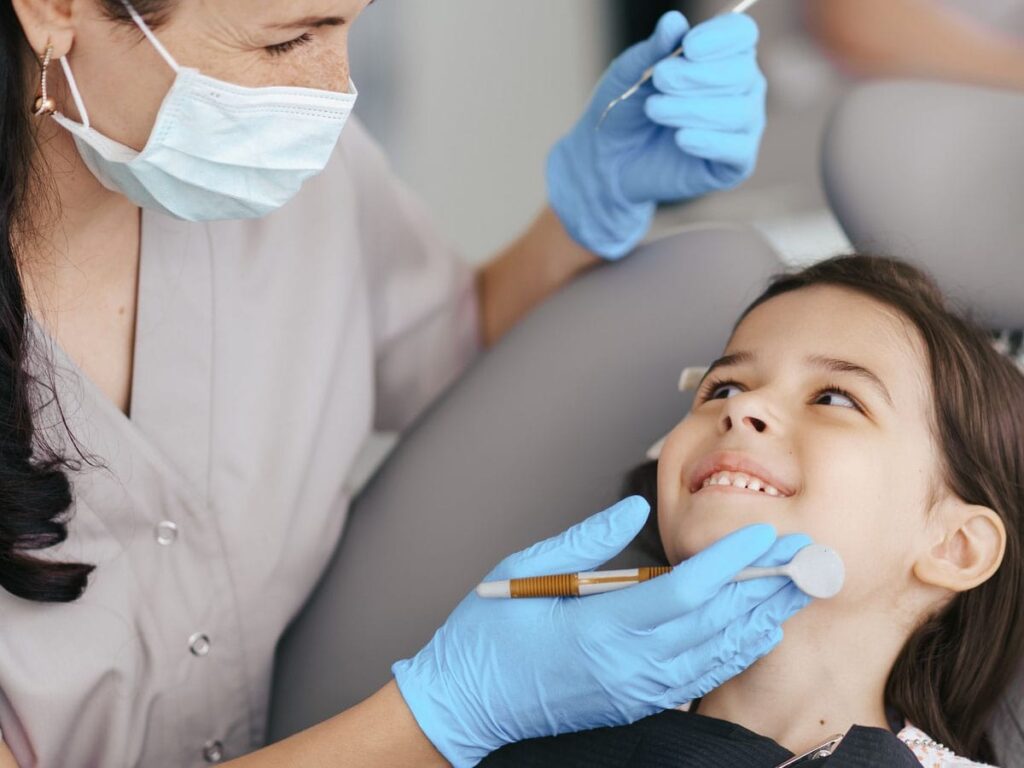
Children’s oral health requires special attention, including when considering teeth whitening Abu Dhabi. Unlike adults, kids’ teeth are still developing, and their enamel can be more sensitive. Choosing safe methods for maintaining a bright smile is essential for promoting healthy dental habits and long-term oral care.
Understanding Teeth Whitening for Kids
Teeth whitening involves lightening the natural color of teeth to remove stains or discoloration. In children, teeth may appear discolored due to natural development, diet, or habits like drinking colored beverages. It is important to recognize that children’s teeth are still growing, and treatments designed for adults may not always be suitable.
Reasons for Tooth Discoloration in Children
Discoloration in children’s teeth can occur naturally or be influenced by various external factors. Some common reasons include dietary choices, such as consuming foods and beverages with strong colors, natural changes in enamel as teeth develop, and minor staining from habits like thumb sucking or nail biting. Understanding the root cause of discoloration is important when considering safe whitening methods.
Factors That Influence Whitening Safety for Kids
When exploring teeth whitening options for children, several factors play a key role in ensuring safety.
Age and Tooth Development
Children’s teeth go through several stages of development, from primary (baby) teeth to permanent teeth. The enamel on primary teeth is thinner, making it more sensitive to strong whitening agents. Age and the stage of tooth development are important considerations in selecting appropriate whitening methods.
Sensitivity and Comfort
Even without focusing on side effects, it is important to consider the comfort and tolerance of children during whitening treatments. Methods that are gentle and easy to apply are more suitable for young patients and help promote a positive attitude toward oral care.
Frequency of Whitening
The number of whitening sessions should be carefully monitored. Children may not need frequent whitening, and allowing time between treatments ensures that enamel and oral health remain stable. Observation of results over time helps determine if additional sessions are necessary.
Safe Teeth Whitening Approaches for Kids
Several approaches can help brighten children’s teeth safely without introducing harsh chemicals or aggressive treatments.
Professional Guidance
Seeking guidance from dental care specialists who understand children’s oral development is important. Professionals can recommend methods tailored to each child’s age, tooth condition, and lifestyle. These methods may include gentle whitening treatments that are specifically designed for younger patients.
Mild Whitening Products
Products formulated for children are usually less concentrated than adult treatments. These products aim to gradually improve tooth brightness while accommodating thinner enamel and developing teeth. They can be applied in ways that are safe and comfortable for children.
Natural Maintenance of Bright Teeth
Maintaining a healthy oral hygiene routine plays a critical role in keeping children’s teeth bright. Regular brushing and flossing with age-appropriate techniques help prevent surface staining and promote a naturally brighter smile. Proper habits reduce the need for frequent whitening interventions.
Dietary Considerations
Encouraging children to consume foods and beverages that are less likely to stain teeth supports the whitening process. Limiting colored drinks, acidic foods, and sugary snacks can help maintain the natural whiteness of teeth. Hydration and rinsing with water after meals also help preserve brightness.
Observing Results and Adjusting Approach
Monitoring how children’s teeth respond to whitening methods is essential. Gentle evaluation of tooth shade over time can indicate whether the approach is effective or if modifications are needed. Keeping a visual record of tooth color progression allows caregivers to make informed decisions about future whitening sessions.
Creating a Long-Term Whitening Plan for Children
Developing a long-term plan ensures that teeth remain bright without compromising dental health. A gradual approach that emphasizes maintenance, oral hygiene, and appropriate dietary habits supports lasting results. Children’s teeth naturally mature over time, and a consistent routine helps preserve whiteness as permanent teeth replace primary teeth.
Incorporating Routine Dental Care
Regular dental checkups for children help track tooth development and identify potential areas of discoloration early. Routine care also provides opportunities for gentle cleaning techniques that can enhance brightness naturally. This preventive approach complements any safe whitening method chosen.
Educational Approach
Teaching children about the importance of oral health and explaining why gentle whitening methods are preferred helps foster lifelong habits. Understanding the purpose and benefits of safe practices encourages children to be active participants in maintaining their own oral care.
FAQs About Teeth Whitening for Kids
Are whitening treatments necessary for children?
Not always. Most children’s teeth will appear naturally bright when oral hygiene is maintained. Whitening may be considered when noticeable discoloration affects confidence or is caused by dietary or lifestyle factors.
Can children use the same whitening products as adults?
Children’s teeth require gentler approaches than adult treatments. Products formulated specifically for kids are designed to be safe and appropriate for developing enamel. Adult products may be too strong for young teeth.
How often can children safely whiten their teeth?
The frequency depends on the method used and the child’s tooth development. Gentle treatments may be applied at intervals suggested by dental care professionals, often spaced to allow enamel to remain stable and results to be observed.
What role does diet play in maintaining bright teeth?
Diet significantly affects tooth color. Foods and drinks with strong pigments, acidic content, or high sugar levels can contribute to discoloration. Promoting water, fruits, vegetables, and balanced meals helps maintain natural whiteness.
Are there alternatives to whitening for children?
Yes. Focusing on proper brushing, flossing, professional cleanings, and preventive care can maintain brightness. Some children may achieve noticeable improvement without formal whitening treatments, especially when oral hygiene is consistent.
How can parents monitor the effectiveness of whitening?
Keeping a visual record or using tooth shade guides helps track changes over time. Observing how teeth respond to gentle treatments informs whether additional sessions are needed or if adjustments should be made.
Conclusion
The safest teeth whitening methods for children focus on gentle approaches that respect their developing teeth and oral health. Emphasizing proper hygiene, dietary choices, and age-appropriate treatments ensures a bright, confident smile. By observing results and adjusting the approach carefully, parents can support their child’s oral health while achieving a natural brightness. Long-term planning, preventive care, and education create a foundation for healthy teeth that last a lifetime, making safe whitening a part of a balanced oral care routine for children.