Nasal congestion is more than just a minor inconvenience. For millions of people, it affects breathing, sleep quality, mental focus, and daily comfort. Whether triggered by allergies, sinus inflammation, weather shifts, or environmental irritants, congestion can quickly disrupt normal life.
While medications such as decongestants and antihistamines are commonly used, many individuals are now searching for safer and more sustainable options. This shift has led to increased interest in congestion relief devices, especially those using bioelectronic technology.
This article explores how these devices work, who benefits from them, and why they are becoming part of modern sinus care discussions.
Why Nasal Congestion Happens
Congestion occurs when the lining of the nasal passages becomes inflamed. This inflammation increases mucus production and narrows airflow pathways. As pressure builds in the sinus cavities, individuals may experience:
- Facial pressure
- Headaches
- Blocked nasal breathing
- Postnasal drip
- Fatigue
Inflammation is often the underlying cause. Allergens, viruses, pollutants, and even dry air can trigger this response. Managing congestion effectively means addressing inflammation and nerve sensitivity rather than simply masking symptoms.
What Are Congestion Relief Devices?
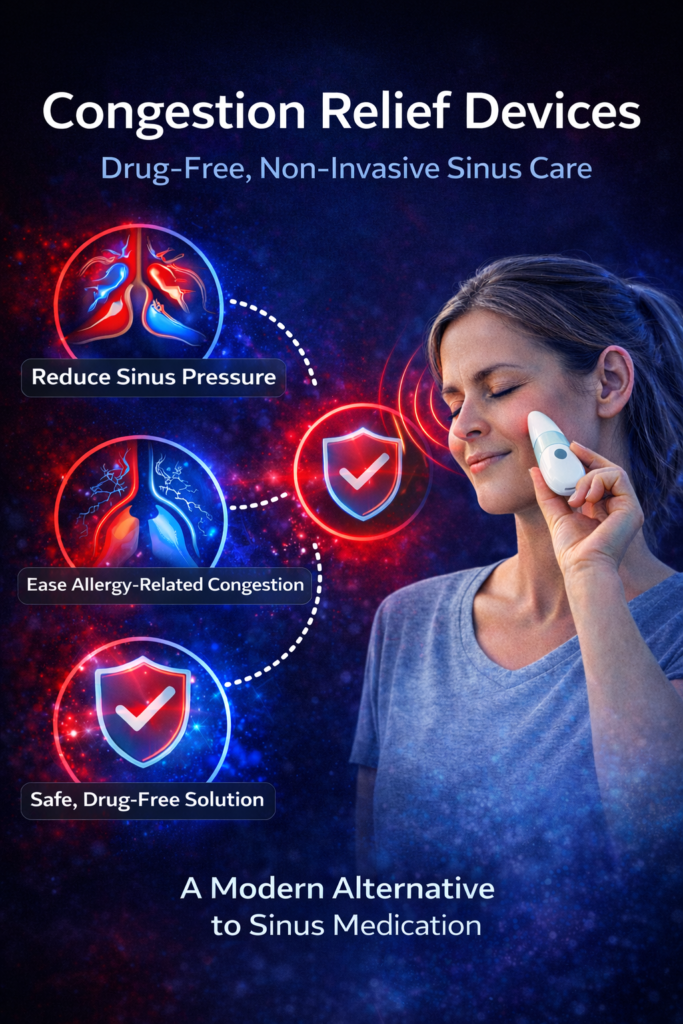
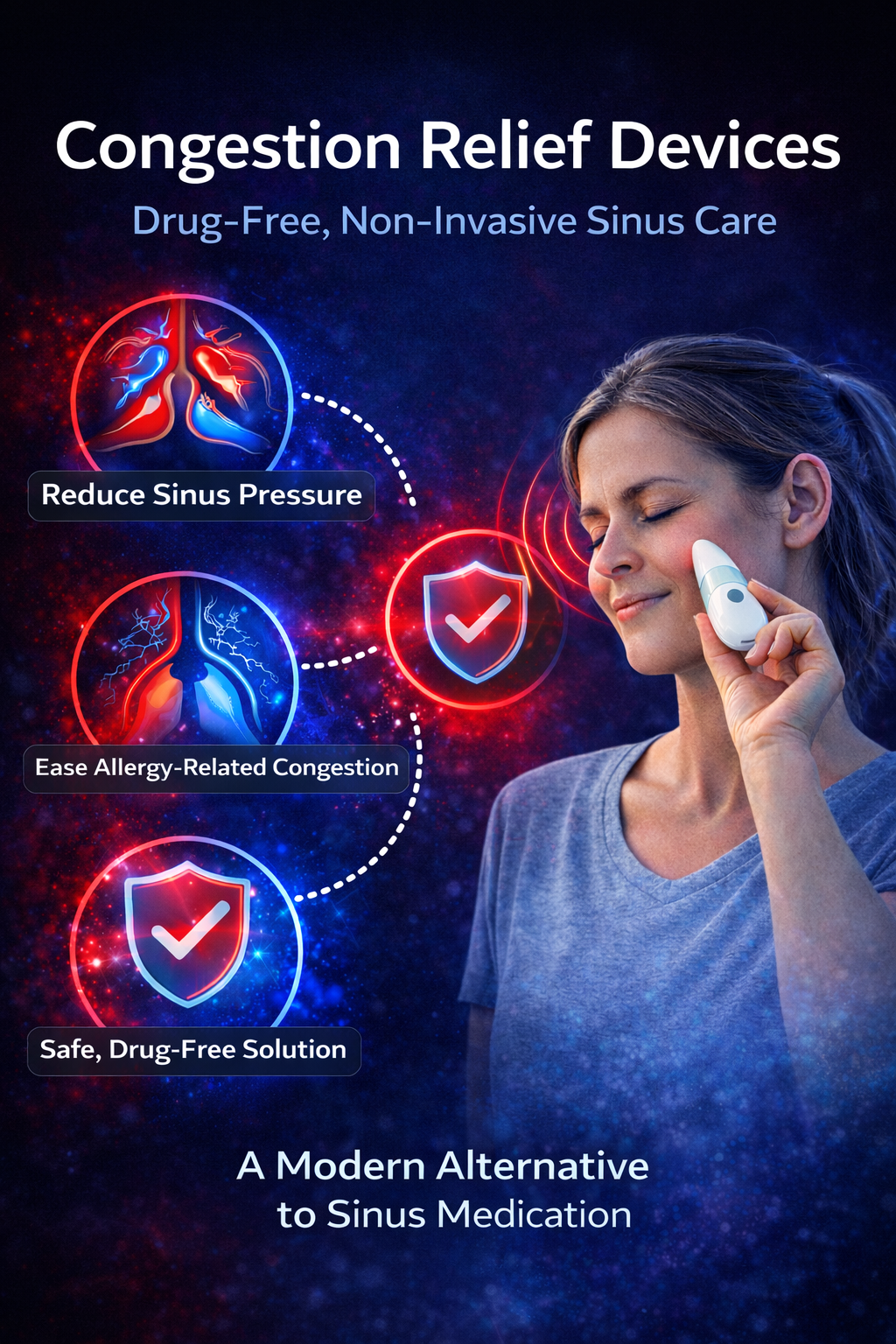
Congestion relief devices are non-invasive tools designed to help reduce sinus pressure and improve airflow without medication. Modern bioelectronic congestion devices use gentle microcurrent stimulation applied externally to facial nerve areas connected to the sinuses.
These devices work with the body’s natural electrical communication system. When sinus tissues are inflamed, nerve activity increases. Bioelectronic stimulation helps calm this activity, supporting reduced pressure and improved drainage.
Unlike medications that chemically shrink tissues, these devices focus on regulating nerve response and inflammation signals.
How Bioelectronic Technology Supports Sinus Health
The body uses electrical signals to communicate between nerves and tissues. When sinus inflammation develops, certain nerve pathways become overstimulated.
Bioelectronic congestion relief devices deliver controlled, low-level electrical pulses that:
- Calm irritated sinus nerves
- Support reduced inflammation
- Encourage healthier sinus drainage
- Improve airflow
- Reduce facial pressure
Sessions typically take only a few minutes. Many users report noticeable improvement within a short period of use.
Why People Are Choosing Drug-Free Congestion Relief
There is growing awareness around long-term medication use. Many individuals want solutions that:
- Avoid chemical dependency
- Reduce side effects
- Support natural body functions
- Provide reusable, long-term value
Congestion relief devices meet these expectations. They offer a practical, non-invasive solution that can be used during allergy season or periods of recurring sinus discomfort.
Healthcare conversations increasingly highlight the importance of integrated sinus care that includes hydration, air quality control, and technology-supported inflammation management.
Who May Benefit Most?
Congestion relief devices may be particularly helpful for:
- Seasonal allergy sufferers
- Individuals with recurring sinus pressure
- Those sensitive to medication side effects
- Adults seeking daily sinus maintenance
- People wanting to reduce reliance on sprays or pills
However, individuals with implanted medical devices such as pacemakers should consult a healthcare provider before use.
Frequently Asked Questions
1. Are congestion relief devices safe for everyday use?
Yes, FDA-cleared bioelectronic congestion relief devices are designed for non-invasive use and are generally considered safe for regular sinus care. They do not introduce medication into the body and instead use gentle microcurrent stimulation applied externally. Because they work by supporting natural nerve balance, they are suitable for many adults seeking daily sinus management. However, individuals with implanted electronic medical devices, such as pacemakers, should consult a healthcare provider before using any electrical stimulation device.
2. How quickly can someone expect relief?
Many users report feeling relief within five to ten minutes of using a bioelectronic congestion relief device. The sensation is typically described as mild tingling or gentle stimulation. While immediate pressure reduction is common, long-term benefits may improve with consistent use. The speed of results can vary depending on the severity of congestion, allergy triggers, and overall sinus health. Regular sessions during high-allergy seasons may help maintain more stable breathing comfort.
3. Can congestion relief devices replace medication?
Congestion relief devices are not intended to replace prescribed treatments without medical advice. However, they may reduce reliance on over-the-counter medications for some individuals. Many people use them as a complementary approach alongside lifestyle changes such as hydration and air filtration. By targeting nerve irritation rather than chemically shrinking tissue, these devices offer a different pathway for managing sinus discomfort, which may help minimize frequent medication use.
4. Do they help with allergy-related congestion?
Yes, bioelectronic congestion relief devices can support individuals experiencing allergy-related sinus pressure. Allergens like pollen, dust, and mold can trigger inflammation and nerve sensitivity inside the nasal passages. By calming irritated nerve pathways and supporting improved drainage, these devices may reduce facial pressure and improve airflow. They do not eliminate allergens but can help manage the body’s inflammatory response more effectively during peak allergy seasons.
5. Is the sensation uncomfortable?
Most users describe the sensation as gentle and manageable. Bioelectronic devices typically include adjustable intensity levels, allowing individuals to customize the experience based on comfort. The stimulation feels like mild tingling rather than pain. Because the device is applied externally to the skin, there is no penetration or invasive procedure involved. Comfort and ease of use are key reasons these devices are gaining popularity among adults seeking practical sinus relief.
Final Thoughts
Congestion relief devices represent a significant advancement in sinus care. By focusing on nerve regulation and inflammation management rather than solely masking symptoms, they provide a drug-free option that aligns with modern health priorities.
As more individuals seek sustainable and non-invasive solutions, bioelectronic congestion relief devices are becoming a trusted part of everyday sinus wellness strategies.