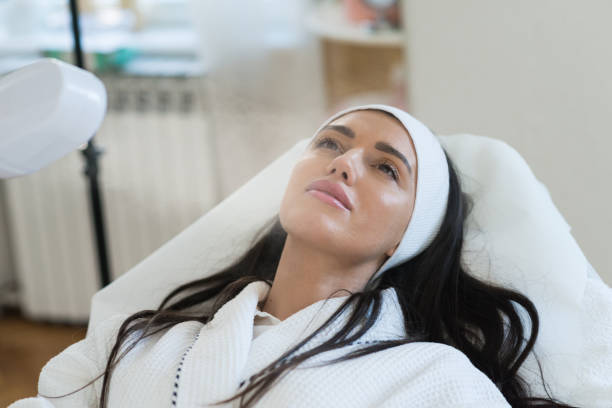
Ultherapy is a non-invasive treatment that uses focused ultrasound energy to stimulate collagen production in the deeper layers of the skin. Unlike surface-level treatments, it works beneath the skin to lift, tighten, and improve elasticity gradually. Clinics offering Ultherapy Abu Dhabi commonly use this procedure for areas such as the face, neck, and jawline, providing a subtle yet noticeable rejuvenation without surgery.
The goal of Ultherapy is to trigger the body’s natural regenerative processes. Over time, the treatment encourages the production of new collagen, which supports the skin’s structure and firmness. While initial results may appear a few weeks after treatment, the full benefits usually develop over several months as collagen continues to build.
Factors That Affect Ultherapy Frequency
The frequency with which Ultherapy should be repeated depends on several factors. One key element is the natural aging process. As the skin continues to age, collagen production naturally slows down, which can gradually reduce the visible effects of the treatment. Individuals with different rates of aging may find they need touch-up treatments at varying intervals.
Another factor is the area being treated. Certain areas, such as the neck or under the chin, may show results differently from the cheeks or brow. The skin’s thickness, elasticity, and overall condition also influence how often repeat sessions are recommended.
Lifestyle choices and environmental exposure play a role as well. Sun exposure, stress, and other external factors can accelerate skin aging, which may necessitate more frequent maintenance treatments to preserve the results.
Typical Timeline for Repeat Treatments
For many individuals, the effects of Ultherapy can last up to a year or more. Since the procedure stimulates the body’s own collagen production, results gradually improve over two to three months after treatment and may continue to enhance for up to six months.
When considering how often to get Ultherapy, a common approach is to wait until the visible effects of the previous session begin to diminish. This ensures that the body’s natural collagen-building process has had sufficient time to work and prevents unnecessary overlap of treatments.
While individual needs vary, many people find that annual or slightly longer intervals between treatments are sufficient to maintain a lifted, firm appearance. However, some may benefit from follow-up sessions sooner if they experience faster collagen breakdown or accelerated skin aging.
Maintenance vs. Initial Treatment
The initial Ultherapy session is designed to achieve the most significant improvement in skin tone and tightness. During this session, deeper layers of the skin are targeted to trigger a strong collagen response. Repeat sessions are generally intended for maintenance rather than dramatic enhancement.
Maintenance treatments help preserve the results achieved from the initial procedure and can extend the overall benefits. By scheduling touch-up sessions at appropriate intervals, it is possible to maintain a consistent level of skin firmness and youthful appearance without overdoing the treatment.
Signs That It May Be Time for Another Session
Several indicators suggest that a follow-up Ultherapy treatment may be beneficial. One clear sign is a visible decrease in skin firmness or elasticity compared to the results after the initial session. If sagging or loosening begins to appear, it may be time to consider another session.
Another indication is a reduction in the lifting or smoothing effects that were previously achieved. Since Ultherapy relies on collagen regeneration, any gradual decline in the skin’s support structure can signal the need for maintenance. Observing these changes over time helps individuals determine the optimal timing for repeat treatments.
Personalized Treatment Schedules
There is no one-size-fits-all answer to how often Ultherapy should be performed. Treatment schedules are highly personalized, depending on individual skin condition, age, lifestyle, and goals. Some individuals may require follow-up sessions every 12 to 18 months, while others may benefit from slightly longer intervals.
Consistency in monitoring the skin’s appearance and condition is important. By assessing the effectiveness of previous treatments and observing the natural progression of aging, individuals can create a tailored schedule that maximizes results while maintaining natural-looking outcomes.
Comparing Ultherapy with Other Non-Surgical Treatments
Ultherapy differs from other non-surgical procedures such as radiofrequency or laser treatments because it penetrates deeper layers of the skin. This depth allows for longer-lasting results and reduces the frequency of repeat sessions compared to treatments that target only the surface.
While surface treatments may require more frequent applications to maintain results, Ultherapy’s collagen-stimulating effect provides a longer-lasting improvement. This makes it an appealing choice for those seeking sustained skin tightening and lifting with fewer visits over time.
Preparing for a Repeat Ultherapy Session
Preparation for a subsequent Ultherapy session is similar to the initial treatment. The skin should be clean and free from oils or cosmetic products. Consulting with a trained professional before the session helps determine the appropriate intensity and depth of treatment based on the results of the previous session.
During the procedure, the patient may experience mild warming or tingling sensations as the ultrasound energy targets the deeper layers of the skin. These sensations indicate that the collagen-stimulating process is actively working.
Long-Term Considerations
For individuals seeking long-term skin maintenance, integrating Ultherapy into a comprehensive skin care routine can enhance results. Regular monitoring of the skin’s firmness and elasticity allows for timely touch-ups and helps maintain a youthful appearance over several years.
It is also important to consider lifestyle factors that influence skin aging, such as sun protection, hydration, and overall wellness. Maintaining a balanced approach to skin health supports the effectiveness of Ultherapy and prolongs the duration of its benefits.
FAQs About Ultherapy Frequency
How soon can I see results after an Ultherapy session?
Results begin gradually within a few weeks as collagen production increases. Full effects usually become noticeable after two to three months and can continue to improve for up to six months.
Do I need to get Ultherapy every year?
Many individuals find annual or slightly longer intervals suitable for maintaining results. However, personal skin condition and lifestyle factors may influence the ideal timing.
Can I combine Ultherapy with other treatments?
Yes, Ultherapy can complement other non-invasive procedures, helping to enhance overall skin tone and firmness. Timing and combination should be tailored to individual needs.
What happens if I wait too long between sessions?
Delaying repeat sessions does not harm the skin but may allow natural aging processes to diminish the visible benefits. Scheduling touch-ups when signs of loosening appear helps maintain the best results.
Is it possible to overdo Ultherapy?
Excessive frequency is unnecessary because collagen-building takes time. Allowing sufficient intervals ensures that each session effectively supports natural regeneration.