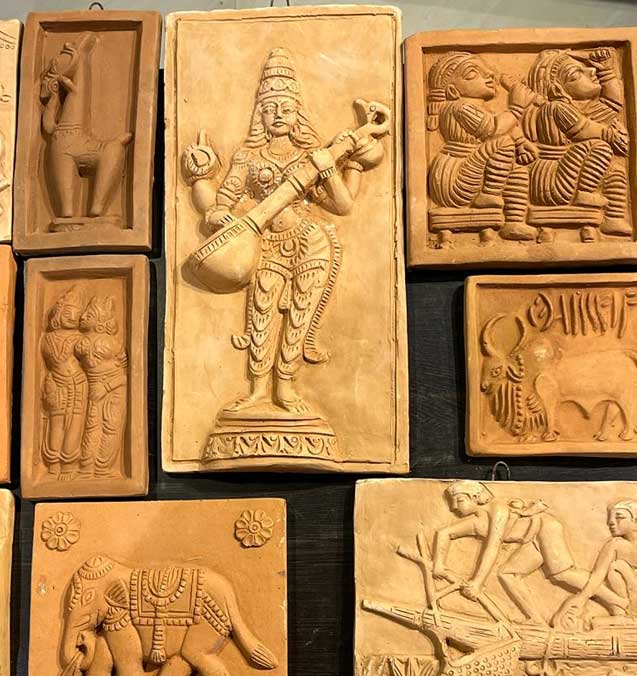
Terracotta tiles have stood the test of time for a reason. These warm, earthy tiles bring natural charm, durability, and character into modern homes without feeling outdated or overly traditional. If you’re considering a flooring or wall upgrade that blends heritage with contemporary design, terracotta tiles may be exactly what you’re looking for.
In this comprehensive guide, you’ll discover what terracotta tiles are, why they remain popular in modern architecture, how they’re made, where they work best, and how to choose and maintain them. Whether you’re a homeowner planning a renovation or simply exploring options, this article will give you clarity and confidence.
What Are Terracotta Tiles?
Terracotta tiles are clay-based tiles that are shaped and kiln-fired to create a hard, durable surface. The word “terracotta” literally means “baked earth” in Italian.
These tiles are known for their signature warm tones, typically ranging from burnt orange to deep red and soft brown. Their natural color comes from iron-rich clay that oxidizes during firing.
How Are Terracotta Tiles Made?
Terracotta tiles are produced using a traditional yet refined process:
- Natural clay is extracted and purified.
- The clay is shaped into tiles, either by hand or machine.
- The tiles are dried to remove moisture.
- They are fired in kilns at high temperatures.
- Some are sealed or glazed for added protection.
High-quality manufacturers follow standards similar to those outlined by ASTM (American Society for Testing and Materials) for ceramic tile strength and durability. This ensures performance consistency, especially for flooring applications.
What Makes Them Different from Ceramic or Porcelain?
The main difference lies in composition and finish.
Terracotta tiles are typically unglazed and more porous. Ceramic and porcelain tiles are often glazed and fired at higher temperatures, making them denser and less absorbent.
This porosity gives terracotta its natural, breathable quality—but it also means sealing is important, especially in moisture-prone areas.
Why Terracotta Tiles Are Perfect for Modern Homes
At first glance, terracotta may seem rustic. But modern design trends have embraced natural textures and organic materials. That’s where terracotta shines.
1. Warmth in Minimalist Spaces
Modern homes often feature neutral palettes, clean lines, and open layouts. Terracotta tiles add warmth and texture to balance these sleek elements.
Imagine a white kitchen with matte black fixtures. Now picture warm terracotta flooring grounding the space. The contrast creates depth and comfort without clutter.
2. Sustainability and Eco-Friendly Appeal
Terracotta is made from natural clay. That means:
- It’s environmentally friendly.
- It’s recyclable.
- It contains no synthetic materials.
As sustainability becomes a key design priority, homeowners are leaning toward materials that are both beautiful and responsible.
According to green building guidelines such as LEED (Leadership in Energy and Environmental Design), natural and low-processed materials contribute positively to eco-conscious construction.
3. Timeless Design Versatility
Terracotta tiles work with multiple interior styles:
- Mediterranean
- Farmhouse
- Contemporary
- Bohemian
- Industrial
They pair well with wood, stone, concrete, and metal. That flexibility makes them a safe long-term investment.
Key Benefits of Terracotta Tiles
Terracotta tiles offer more than aesthetics. They provide practical advantages that make them suitable for everyday living.
Durability That Improves with Age
Properly installed and sealed terracotta tiles can last decades. In fact, older terracotta floors often develop a beautiful patina over time.
Think of it like leather. The more it ages, the more character it gains.
Natural Temperature Regulation
Terracotta has thermal mass. That means it absorbs heat during the day and releases it slowly.
In warm climates, it helps keep interiors cooler. In colder regions, it works well with underfloor heating systems.
Slip Resistance
Unglazed terracotta has a naturally textured surface. This provides better grip compared to some polished tiles.
That makes it suitable for:
- Kitchens
- Entryways
- Outdoor patios
However, sealing should not make the surface overly glossy if slip resistance is a priority.
Low Maintenance (When Properly Sealed)
Once sealed, terracotta tiles are easy to maintain:
- Sweep or vacuum regularly.
- Mop with a mild cleaner.
- Reseal periodically.
Maintenance is simple, but sealing is essential to prevent staining.
Where to Use Terracotta Tiles in Modern Homes
Terracotta tiles are versatile, but placement matters.
Kitchens
Kitchens benefit greatly from terracotta flooring. The warm tones contrast beautifully with modern cabinetry and stainless steel appliances.
Sealing is critical here to protect against spills and stains.
Living Rooms
Open-plan living rooms feel cozier with terracotta flooring. Pair it with large windows and natural light to enhance the earthy glow.
Bathrooms
Terracotta can be used in bathrooms, but it must be sealed properly to prevent moisture absorption.
Outdoor Spaces
Patios, courtyards, and balconies are ideal for terracotta tiles. They blend seamlessly with landscaping and natural surroundings.
Installation Process Explained Simply
Installation quality directly affects performance.
Step 1: Subfloor Preparation
The surface must be clean, level, and stable. Uneven subfloors can cause cracking.
Step 2: Tile Layout Planning
Dry-lay tiles first. This helps visualize spacing and minimize awkward cuts.
Step 3: Adhesive Application
A suitable tile adhesive is applied evenly.
Step 4: Grouting
After tiles set, grout fills the gaps. Choose grout colors that complement the natural tones.
Step 5: Sealing
This is the most important step. Terracotta must be sealed before and sometimes after grouting to prevent staining.
Professional installation is highly recommended for long-term durability.
Common Mistakes to Avoid
Even high-quality terracotta tiles can underperform if mistakes are made.
Skipping the Sealer
Unsealed terracotta absorbs moisture and stains easily. Always apply a penetrating sealer.
Using Harsh Cleaners
Acidic cleaners can damage the surface. Stick to pH-neutral products.
Ignoring Climate Considerations
In freezing climates, outdoor terracotta must be rated for frost resistance.
How to Choose the Right Terracotta Tiles
Not all terracotta tiles are the same.
Handmade vs. Machine-Made
Handmade tiles have slight variations. This creates a rustic, artisanal look.
Machine-made tiles are more uniform and ideal for contemporary designs.
Color Selection
Natural clay composition affects color. Order samples before committing. Lighting can change how tones appear.
Size and Shape
Common options include:
- Square
- Rectangular
- Hexagonal
Large tiles create a modern feel. Smaller tiles add texture and pattern.
Frequently Asked Questions
What is terracotta tile best used for?
Terracotta tiles are best used for flooring in kitchens, living rooms, patios, and decorative wall applications.
Are terracotta tiles expensive?
Costs vary based on quality and craftsmanship. Handmade options are typically more expensive, but they offer unique character.
Do terracotta tiles crack easily?
Not when installed correctly on a stable surface. Like any clay product, they can crack if the subfloor shifts.
How long do terracotta tiles last?
With proper care, terracotta tiles can last 50 years or more.
Real-World Applications
Many Mediterranean homes feature terracotta floors that have lasted generations. Modern architects are also incorporating terracotta in contemporary villas and eco-friendly homes.
In urban apartments, designers use terracotta as an accent wall to add warmth without overwhelming minimal spaces.
Interior designers frequently recommend terracotta for biophilic design—an approach that connects indoor spaces with natural elements.
Terracotta Tiles vs. Other Flooring Options
Let’s compare briefly.
Terracotta vs. Porcelain: Porcelain is less porous and more uniform. Terracotta offers warmth and natural variation.
Terracotta vs. Hardwood: Hardwood feels warmer underfoot but can scratch easily. Terracotta is more resistant to wear in high-traffic areas.
Terracotta vs. Concrete: Concrete looks industrial. Terracotta feels inviting and organic.
Your choice depends on style preference, climate, and maintenance expectations.
Maintenance Tips for Long-Term Beauty
Keeping terracotta tiles beautiful is simple if done correctly.
- Reseal every few years.
- Clean spills quickly.
- Use protective pads under furniture.
- Avoid dragging heavy items.
Regular care ensures your floors age gracefully.
Why Designers Still Love Terracotta Tiles
Design trends change quickly. Terracotta has remained relevant for centuries.
Its appeal lies in authenticity. In a world filled with synthetic finishes, terracotta feels real.
Modern homes often aim for balance—clean lines with natural warmth. Terracotta achieves that effortlessly.
Final Thoughts: A Smart Investment for Modern Living
Terracotta tiles combine heritage craftsmanship with modern practicality. They offer warmth, durability, sustainability, and timeless beauty in one material.
If you want flooring or wall finishes that feel grounded, authentic, and long-lasting, terracotta tiles are an excellent choice.
They are not just tiles. They are baked earth shaped into lasting design.
Ready to transform your home with natural elegance? Explore related design guides or speak with a tile expert to find the perfect terracotta solution for your space.