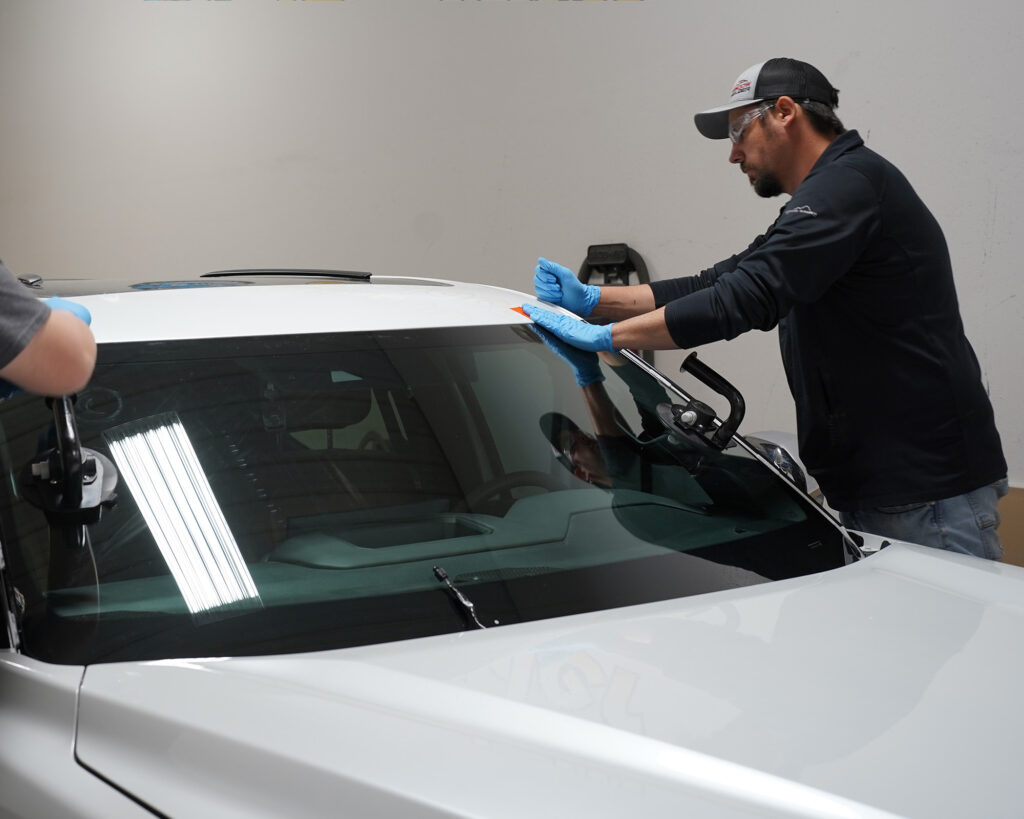
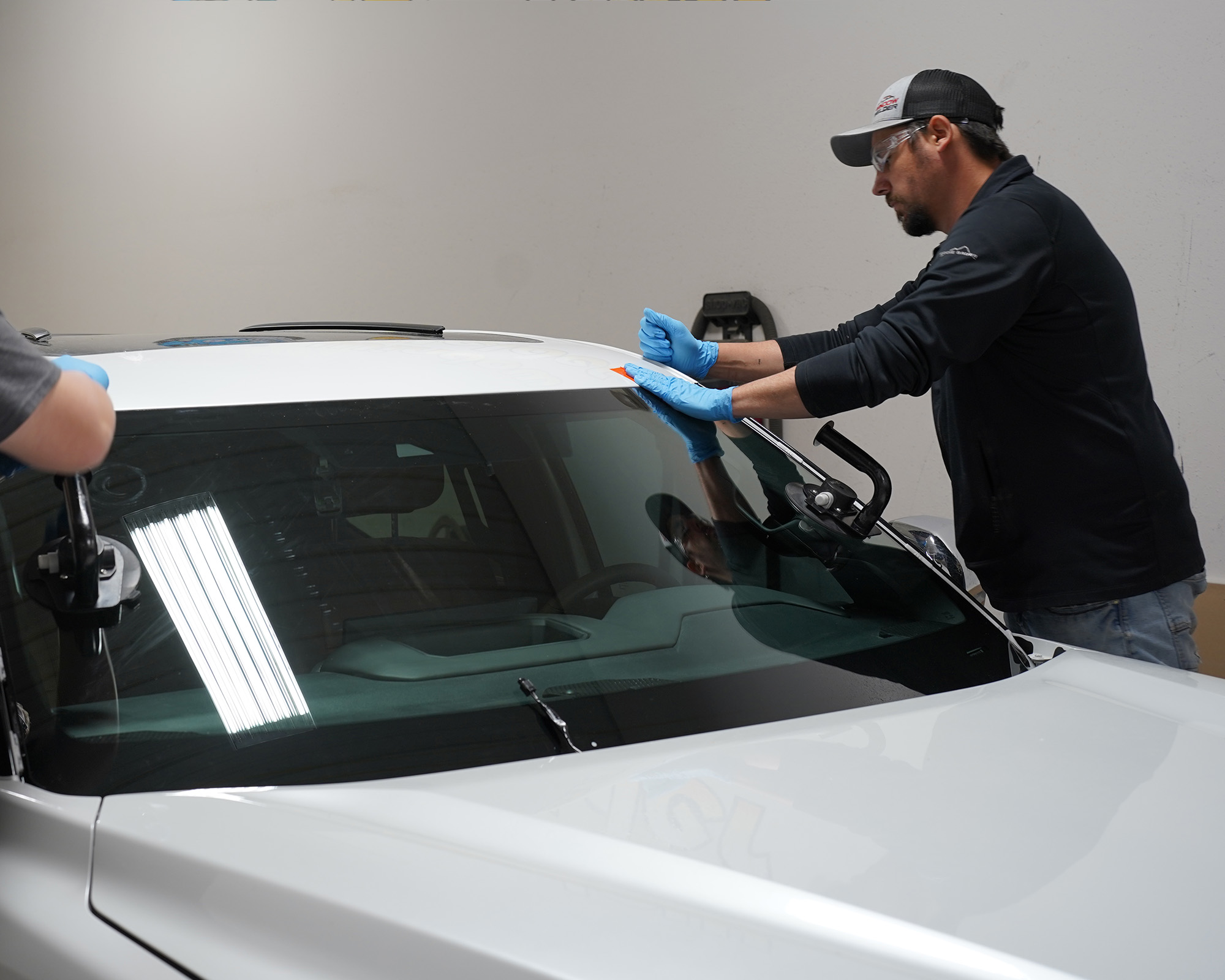
Vehicle damage often raises the question of repair timelines. Drivers need clarity to plan transportation and manage expectations. Services such as Windshield replacement Kissimmee advertise fast solutions, yet actual repair time depends on multiple factors. Damage severity, part availability, technician expertise, and environmental conditions all influence how quickly work can be completed. Understanding the repair process in detail allows customers to anticipate how long each stage takes, from initial assessment to final inspection, and ensures a smoother experience with professional repair services while maintaining safety and quality standards.
Factors Affecting Time
Repair duration is rarely uniform across all cases. Each project varies in complexity, requiring different tools, materials, and procedures. Professional assessments consider the type of damage, parts availability, and technician workload to provide realistic estimates. Environmental conditions and scheduling demands further influence completion times. Customers benefit from understanding these factors, which reduce uncertainty and allow better planning. Knowing what affects repair timelines helps manage expectations, prevents miscommunication, and ensures both the service provider and client can coordinate efficiently for a safe, high-quality restoration process.
- Extent and type of damage
- Availability of replacement parts
- Technician skill and experience
- Weather and environmental conditions
- Appointment scheduling and workload
Extent and Type of Damage
The nature and severity of damage largely determine repair time. Minor scratches or small chips require minimal preparation, whereas structural damage or component failure demands thorough inspection and labor-intensive processes. Technicians evaluate each situation carefully to plan appropriate repair steps. More extensive damage often involves part replacement, alignment checks, and quality verification. Understanding the scope of damage in advance helps customers anticipate how long the work may take, reduces frustration, and allows service providers to allocate the proper tools and staff, ensuring repairs are completed safely and efficiently without unnecessary delays.
Availability of Replacement Parts
Parts availability significantly affects repair timelines. Commonly stocked components allow immediate installation, while specialized or manufacturer-specific items can take days to arrive. Shops often provide estimated delivery dates to help customers plan accordingly. Delays may occur due to shipping, backorders, or discontinued parts. Professionals communicate updates on part arrival and expected installation times to maintain transparency. Timely access to replacement components ensures repairs proceed without interruptions. Customers can expedite processes by confirming availability and ordering parts promptly when necessary, reducing overall downtime and preventing extended repair periods.
Technician Skill and Experience
Experienced technicians complete repairs efficiently while maintaining quality standards. Skilled professionals quickly assess damage, choose suitable repair methods, and execute tasks accurately. Their expertise reduces the risk of errors, prevents repeat work, and ensures structural safety. Technicians familiar with common procedures handle both minor and complex repairs with speed and precision. Even with high expertise, safety-critical steps are never rushed. Investing in trained professionals benefits customers by delivering dependable results in shorter timelines, while maintaining strict adherence to industry standards and safety regulations, protecting both the vehicle and the driver.
Weather and Environmental Conditions
Environmental conditions can influence repair duration more than expected. Temperature, humidity, and workspace conditions affect curing times for adhesives, paints, and other materials. Wind, rain, or extreme heat may slow outdoor repairs or mobile services. Indoor facilities with climate control help minimize these delays, but technicians still monitor conditions to ensure proper material performance and safety compliance. Properly cured adhesives and coatings provide long-lasting results. Ignoring environmental factors may reduce quality or create safety risks. Professionals adjust timelines to accommodate these variables, prioritizing durable, reliable, and compliant repair work over speed alone.
Minor Repairs
Minor repairs are typically fast and straightforward. Small chips, surface scratches, or quick component adjustments require limited labor and materials. Technicians inspect the issue, prepare the work area, and complete the repair efficiently, often without disassembly. These repairs can usually be finished within a few hours, allowing drivers to return to normal use on the same day. Minimal downtime, combined with careful attention to detail, ensures minor fixes meet safety and aesthetic standards. Quick resolution also improves customer satisfaction and reduces inconvenience, particularly for those relying on their vehicle for daily travel or professional use.
Moderate Repairs
Moderate repairs demand more time due to additional labor and precision requirements. Tasks like windshield replacement, panel repairs, or structural adjustments require part removal, surface preparation, installation, and alignment checks. Technicians carefully follow manufacturer specifications to ensure safety and durability. Most moderate repairs can be completed within a single day, but thorough evaluation, proper curing, and testing are essential to prevent future issues. Attention to detail guarantees both functionality and aesthetics. Customers are advised to anticipate a slightly longer service period than minor repairs while knowing the work ensures reliable, long-lasting results.
Major Repairs
Major repairs involve complex issues such as frame damage, multiple component failures, or extensive structural issues. These projects require detailed inspections, specialized tools, and coordination with part suppliers. Technicians may need to perform advanced diagnostics, order specific components, and conduct precise measurements for proper alignment. Work often spans several days, depending on severity and part availability. Continuous communication between service providers and customers helps track progress and set expectations. Major repairs prioritize safety, quality, and compliance with industry standards, ensuring vehicles return to full functionality with all components restored to manufacturer specifications.
Inspection and Testing
Inspection and testing are critical final steps in the repair process. Technicians verify alignment, seal integrity, and operational performance to confirm the work meets safety and quality standards. Proper testing identifies any potential issues early, preventing future complications. While inspections may extend total repair time slightly, they are essential for durability and driver safety. Customers benefit from knowing repairs undergo thorough verification before completion. Skipping testing could compromise safety, reduce longevity, and result in higher costs over time. Professional services ensure this step is never overlooked, providing peace of mind and reliable outcomes.
Customer Scheduling
Customer scheduling impacts overall repair timelines. High-demand periods, peak seasons, and emergency requests can extend wait times before work begins. Booking in advance often minimizes delays and allows technicians to allocate sufficient time for quality repairs. Clear communication about availability and flexibility helps shops plan workflow efficiently. Some service providers offer mobile repair options to reduce customer inconvenience. Coordinated scheduling ensures projects are completed efficiently while maintaining high standards. Proactive planning supports both customer convenience and service quality, helping drivers manage expectations and receive timely, professional repair solutions without unnecessary waiting.
Conclusion
Repair timelines vary depending on damage severity, part availability, technician expertise, and environmental conditions. Minor issues typically resolve within hours, moderate repairs may take one day, and major structural repairs can span multiple days. Understanding each stage of the process helps customers plan transportation, coordinate schedules, and set realistic expectations. Choosing skilled professionals ensures repairs are completed efficiently and safely. Clear communication and transparency throughout the project create a smoother experience. Following proper repair protocols guarantees long-lasting results, restoring both vehicle functionality and driver confidence.
FAQs
1. How long does a windshield replacement take?
Windshield replacement typically requires two to four hours, depending on vehicle type, adhesive curing time, and complexity of installation.
2. Can I drive immediately after repairs?
Curing adhesives and materials may require a short waiting period. Technicians provide specific instructions for safe drive-away times.
3. What causes repair delays?
Delays often result from special-order parts, structural damage, high service demand, or environmental factors affecting material performance.
4. How fast are minor repairs completed?
Minor repairs, including chips and scratches, are often completed within a few hours, minimizing vehicle downtime.
5. How can I reduce overall repair time?
Scheduling appointments early, confirming part availability, and using experienced technicians help shorten timelines while ensuring quality repairs.