For students balancing accommodation moves and employees managing career transitions, storage is often a necessity. Whether it’s during semester breaks, relocation for work, or office restructuring, using Storage Ashton facilities can offer flexibility and peace of mind. However, convenience should never outweigh security.
⚠️ Warning: Choosing storage without evaluating safety standards can expose your belongings to theft, fire damage, moisture issues, and unauthorized access.
This guide explains how students and employees can prioritize safety when selecting and using storage facilities in Ashton.
Why Safety Matters in Storage
Students often store laptops, academic documents, electronics, and personal belongings during holidays. Employees may store office equipment, confidential files, tools, or even business inventory. These items are not just valuable—they are sometimes irreplaceable.
When evaluating Storage Ashton, safety should be your primary concern. A secure facility protects against three major risks:
-
Theft and unauthorized access
-
Environmental damage (fire, humidity, flooding)
-
Improper handling and structural weaknesses
Understanding these risks allows you to make informed decisions instead of relying solely on pricing or proximity.
Key Safety Features to Look For
1. 24/7 CCTV Surveillance
Continuous camera monitoring deters theft and provides evidence in case of incidents. Ensure cameras cover entry points, corridors, and storage units—not just reception areas.
2. Controlled Access Systems
Secure facilities use PIN codes, key cards, or biometric systems. Open-access gates or shared keys are red flags.
3. Fire Protection Systems
Ask whether the facility has smoke detectors, fire alarms, and sprinkler systems. Fire safety compliance is essential, especially when storing electronics or documents.
4. Climate Control
Humidity can damage books, documents, electronics, and furniture. For students storing study materials or employees storing equipment, climate-controlled Storage Ashton units provide extra protection.
5. Individual Unit Locks
Your unit should allow you to use your own high-quality lock. Avoid facilities where staff retain duplicate keys without transparent policies.
Safe Packing: Your First Line of Defense
Security doesn’t end with choosing the right facility. How you pack your belongings significantly affects safety.
-
Use sturdy, sealed boxes.
-
Label items discreetly (avoid writing “Laptop” or “Expensive Equipment”).
-
Wrap fragile items properly.
-
Store heavier boxes at the bottom.
-
Keep important documents in waterproof containers.
For employees storing work-related materials, maintain a clear inventory list. Students should photograph high-value items before storage.
Personal Safety While Accessing Storage
Safety also includes your personal security when visiting the facility.
-
Visit during daylight hours when possible.
-
Avoid going alone late at night.
-
Inform someone if accessing storage after working hours.
-
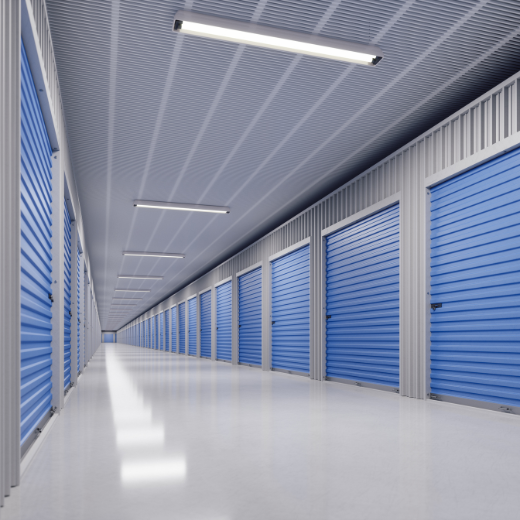
Check that corridors are well-lit.
Reliable Storage Ashton facilities maintain strong lighting and staff presence to ensure user safety at all times.
Insurance: An Overlooked Safety Layer
Even with top-tier security, unforeseen events can occur. Insurance coverage protects against financial loss due to theft, fire, or natural disasters.
Students storing electronics and employees storing professional tools should verify:
-
What the facility covers
-
Whether additional insurance is required
-
Claim procedures in case of damage
Insurance isn’t just optional—it’s a safety extension.
Warning Signs of Unsafe Storage
⚠️ Be cautious if you notice:
-
Poor lighting or broken cameras
-
Damp smells or visible water damage
-
Lack of fencing or perimeter security
-
Unsupervised open gates
-
No clear fire safety measures
If a facility feels insecure, trust your instincts. The lowest price should never compromise safety.
Final Thoughts
Choosing Storage Ashton is not simply about finding extra space—it’s about protecting assets that support your education or career. For students, that might mean safeguarding years of academic work. For employees, it could mean preserving essential tools and confidential documents.
A safety-first approach ensures that your storage solution delivers reliability, protection, and peace of mind. Evaluate security systems, ask direct questions, and never compromise on protective features. The right facility should make you feel confident—not uncertain—about leaving your belongings behind.
FAQs About Storage Safety
1. How can I verify if a storage facility is truly secure?
Request a tour. Check for active CCTV cameras, controlled entry systems, fire protection equipment, and secure locks. Don’t rely solely on marketing claims.
2. Is climate control necessary for safety?
Yes, especially for electronics, books, and documents. Climate-controlled units prevent moisture damage, mold growth, and temperature-related deterioration.
3. Should students insure items stored in Storage Ashton?
If storing electronics, valuable furniture, or important documents, insurance is strongly recommended to protect against unexpected loss.
4. How often should I check my storage unit?
Periodic visits—monthly if possible—help ensure items remain in good condition and that no unauthorized access has occurred.