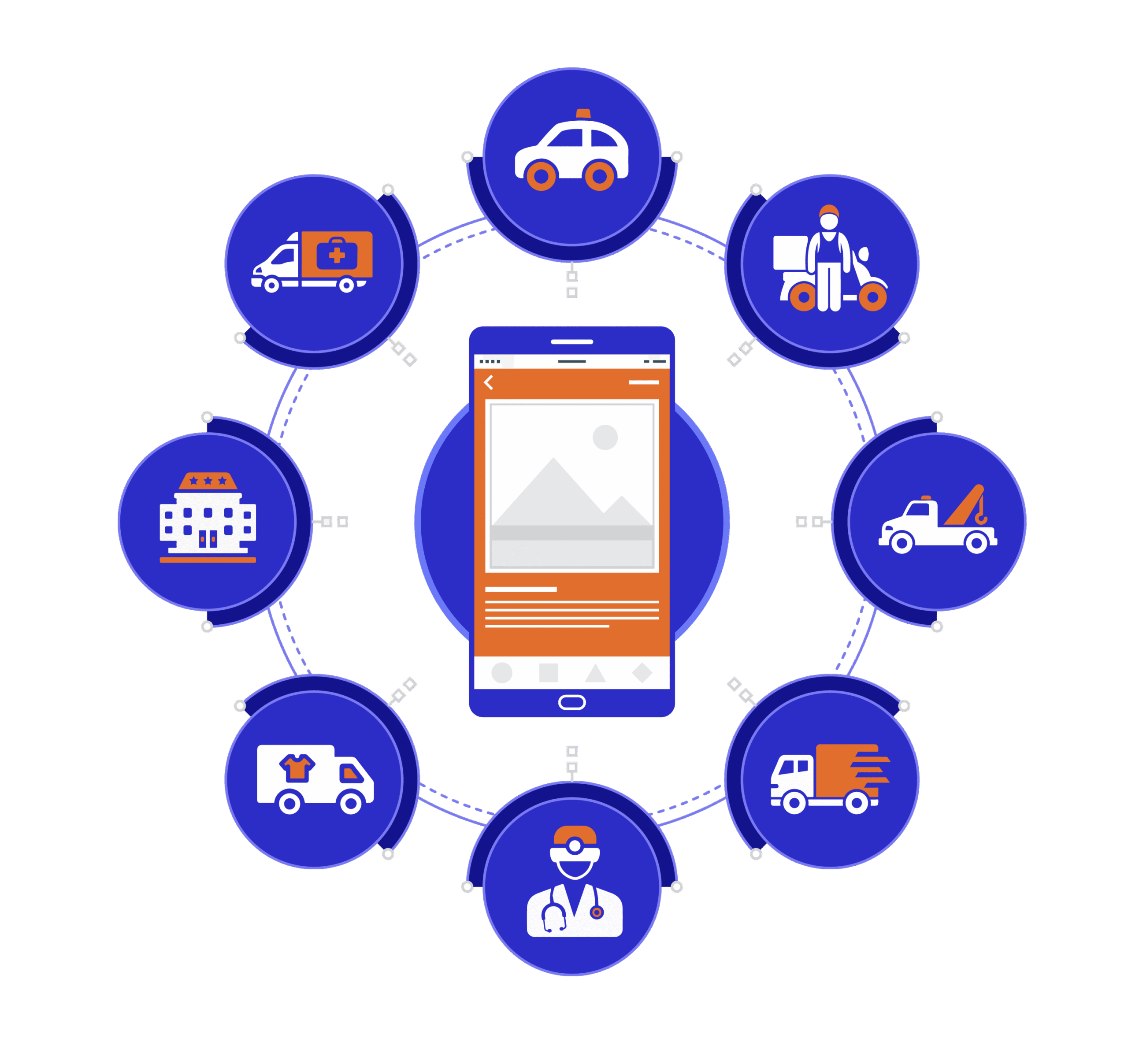
In recent years, on-demand platforms have become integral to how consumers interact with services. Whether it’s ordering food, scheduling a ride, or booking an appointment with just a few taps, on-demand services have emerged as a key player in today’s fast-paced digital economy. These platforms allow users to access goods and services instantly, with the convenience of mobile apps, and they’ve become a cornerstone of modern mobile app development. What started as a novel concept about two decades ago has evolved into a massive industry, transforming how businesses operate and deliver services.
What is an On-Demand App?
An on-demand app is a mobile or web application designed to instantly connect users with services or products as needed. The core value of these apps is their ability to deliver quick, convenient solutions across a wide range of categories—whether that’s for transportation, food delivery, home services, or even rentals. Unlike traditional business models, on-demand apps prioritize speed, ease of use, and real-time availability, making them highly popular with both consumers and businesses alike.
Why the Demand for On-Demand Apps is Rising
The demand for on-demand apps is growing rapidly, and several key factors are driving this shift:
- Convenience for Users: On-demand apps provide a level of convenience that traditional services can’t match. Consumers can order food, hail a ride, or request home services with just a few taps on their smartphones, saving them time and effort.
- Mobile-First Behavior: Smartphones have become indispensable to modern life. People now expect to access services at their fingertips, anytime and anywhere. On-demand apps cater to this mobile-first behavior by delivering services directly through user-friendly interfaces.
- Speed and Instant Gratification: As consumer expectations for speed increase, on-demand apps fulfill the need for fast service. Whether it’s getting a ride within minutes or receiving a food delivery within an hour, these apps provide instant solutions that satisfy the growing demand for efficiency.
- New Business Opportunities: For companies, on-demand apps create new revenue streams and customer engagement opportunities. Businesses can leverage data analytics to track user behavior, optimize offerings, and build customer loyalty, all while expanding their market reach.
- Market Growth and Expansion: The on-demand app market is experiencing rapid growth. Industry reports predict that this sector will continue to expand significantly in the coming years, spanning industries such as transportation, healthcare, logistics, and home services. As more consumers seek the convenience of on-demand services, businesses across sectors are increasingly investing in app-based solutions.
The rise of the on-demand economy means that businesses must adapt quickly to consumer demands, and partnering with a top on-demand app development company can ensure they stay competitive in a fast-evolving market.
Different Types of On-Demand Apps
On-demand apps span across various industries and serve a wide array of consumer needs. Below are some key categories of on-demand apps:
Service-Based On-Demand Apps
These apps connect users with professionals offering specific services, available on-demand.
- Transportation Services: Apps like ride-sharing services enable users to book rides with real-time tracking, fare estimates, and built-in safety features.
- Home Services: Platforms for home repairs and chores, such as cleaning, plumbing, and electrical work, allow customers to book either on-demand or schedule services in advance.
- Beauty & Wellness: These apps offer users the ability to book at-home beauty treatments, haircuts, massages, and wellness services. They often include features like stylist profiles, reviews, and package options.
- Healthcare Services: Apps that facilitate telemedicine, appointment scheduling, and home healthcare services. They often integrate video consultations, digital prescriptions, and health tracking tools.
Product-Based On-Demand Apps
These apps focus on delivering physical goods directly to customers, offering fast and convenient delivery.
- Food Delivery: These apps let users order meals from nearby restaurants, track deliveries in real-time, and pay securely. Some offer subscription plans for regular customers.
- Grocery Delivery: On-demand grocery services allow users to shop for food and essentials online, often with delivery within a few hours. Many apps offer personalized shopping experiences and loyalty rewards.
- E-Commerce: Apps that cater to a wide range of products from electronics to apparel. Features often include fast delivery, product reviews, and secure payment gateways.
On-Demand Rental Apps
Instead of purchasing, these apps offer users the flexibility to rent items on-demand, providing convenience and cost-efficiency.
- Vehicle Rentals: Car rental apps that let users rent vehicles for short-term use, with options for hourly, daily, or weekly rentals. Features include real-time availability and seamless payment processing.
- Equipment Rentals: Apps that provide rentals for furniture, home appliances, or electronics. These services often include delivery, installation, and setup.
- Property Rentals: Apps for renting short-term accommodations like vacation homes, apartments, or rooms. They feature location-based search filters, host ratings, and secure payment methods to ensure a smooth experience.
Other Categories
- Education: On-demand tutoring apps provide access to live lessons, one-on-one coaching, and instant question resolution, helping students learn at their own pace.
- Logistics & Delivery: Apps connecting users with local couriers for fast, reliable shipping, making it easy to send or receive packages quickly.
- Niche Industry Apps: Specialized on-demand services cater to unique needs, including fitness apps for personalized workouts, pet care platforms, or apps for professional services like photography, event planning, and more.
Benefits of On-Demand App Development
Developing an on-demand app brings numerous advantages, benefiting both businesses and consumers alike.
Business Benefits
- Expanded Reach: By leveraging mobile platforms, businesses can tap into a larger and more diverse customer base, expanding their market reach significantly.
- Operational Efficiency: On-demand apps automate key processes, reducing manual intervention, improving workflows, and speeding up service delivery, leading to greater efficiency.
- Revenue Growth: With the ability to attract more customers through user-friendly apps, businesses can experience increased sales, higher order volumes, and better customer retention, all of which contribute to revenue growth.
- Data Insights: On-demand apps collect valuable user data, which businesses can analyze to gain insights into customer behavior, preferences, and trends. This data helps optimize offerings and improve the overall user experience.
Customer Benefits
- Convenience: On-demand apps provide users with the convenience of accessing products and services anytime, from anywhere, making everyday tasks more manageable.
- Speed: These apps prioritize fast service, whether it’s booking a ride, receiving a delivery, or fulfilling a service request, ensuring customers get what they need quickly.
- Transparency: Features like real-time tracking, user ratings, and reviews build trust by keeping users informed and ensuring a reliable service experience.
Key Features of On-Demand Applications
Successful on-demand apps include features that enhance user and service provider experiences.
For Customers
- User Registration: Easy sign-up with social logins.
- Search & Filters: Find services/products by category, location, or rating.
- Booking & Scheduling: Real-time bookings or scheduled services.
- Payment Options: Multiple payment methods, including cards, wallets, UPI, or cash.
- Tracking & Notifications: Real-time service tracking and alerts.
- Ratings & Reviews: Users can rate providers and leave feedback.
- Loyalty & Rewards: Incentives like points, discounts, or referrals.
For Service Providers
- Profile & Service Management: Control availability, pricing, and service details.
- Order Management: Accept or schedule service requests.
- Payment Tracking: Monitor earnings and payment history.
- Customer Interaction: Messaging and support features for better engagement.
- Analytics & Reports: Insights on performance and feedback.
Step-by-Step Process of On-Demand App Development
The development of an on-demand app involves several stages to ensure the final product is functional, user-friendly, and scalable.
- Discovery & Market Research:
Conduct a thorough analysis of competitors, target users, and market trends to define the app’s goals and unique value proposition. - Wireframing & UI/UX Design:
UI/UX Design visual representations (wireframes) to map out the app’s structure. Focus on creating an intuitive, engaging design that is responsive across devices. - Backend & Frontend Development:
Build the app’s backend architecture, including server-side functionality and databases. Develop the frontend, ensuring that the user interface is responsive and user-friendly across platforms. - Integration of Payment & Third-Party APIs:
Integrate secure payment gateways and third-party services like maps, notifications, or chat systems to ensure smooth operations and communication. - Testing & Quality Assurance:
Perform extensive testing (functional, usability, security, and performance) to ensure the app works as expected and is free of bugs before launch. - Deployment & Launch:
Publish the app on platforms like the App Store, Google Play, or web platforms. Monitor initial user engagement, collect reviews, and address any early-stage feedback. - Post-Launch Maintenance & Updates:
Continuously update the app with new features, improvements, and bug fixes. Use analytics to optimize the user experience and drive retention.
Cost to Build an On-Demand Application
The cost of developing an on-demand app depends on factors like complexity, platform, features, and design. Here’s a breakdown of the key elements that influence pricing:
- App Complexity:
- Basic App: Includes essential features such as user registration, search, booking, and payment processing.
- Medium Complexity App: Adds more advanced features like tracking, push notifications, user reviews, and analytics.
- Advanced App: Features include AI-based recommendations, chatbots, real-time analytics, and support for multiple platforms (iOS, Android).
- Platform Selection: Building for a single platform (iOS or Android) is cheaper than cross-platform apps, which require more resources.
- Design & UI/UX: Custom, interactive designs cost more than using pre-made templates, but they provide a more personalized and engaging user experience.
- Backend Development: A strong server, database management, and APIs to handle scalability and security can add to the cost.
- Third-Party Integrations: Payment gateways, mapping services, and chat tools can increase development costs due to licensing fees or complex integration work.
Approximate Costs:
- Basic App: $10,000 – $25,000
- Medium Complexity App: $25,000 – $50,000
- Advanced App: $50,000+
Conclusion
On-demand platforms are transforming the way businesses engage with customers, offering unparalleled convenience and personalization. From healthcare and transportation to e-commerce, the demand for on-demand services continues to rise, making it an ideal time for businesses to invest in app development.
By focusing on the right technology, user experience, and scalable business models, businesses can capitalize on the growing on-demand economy and set themselves up for long-term success. With the rapid pace of innovation, the future of on-demand platforms looks bright, offering exciting opportunities to meet evolving consumer needs.