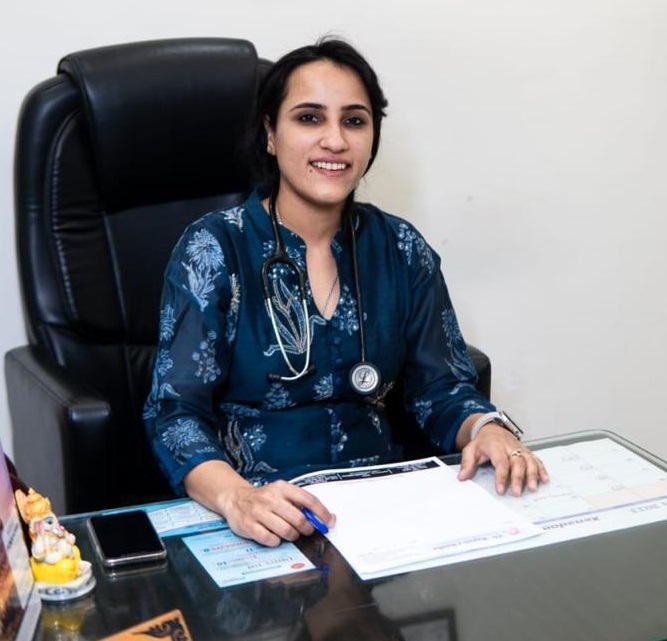
When it comes to managing obesity, many individuals seek professional guidance to achieve healthier lifestyles. Nutritionist and Dietitian in Abu Dhabi play a vital role in helping people address weight concerns effectively. These specialists are trained to provide personalized dietary plans and support that cater to each person’s unique needs. Their expertise goes beyond just offering diet advice; they focus on creating sustainable changes that promote overall health and well-being.
Understanding the Role of a Nutritionist and Dietitian
What Do Nutritionists and Dietitians Do?
Nutritionists and dietitians are health professionals trained to assess nutritional needs and develop tailored plans to improve dietary habits. They analyze individual lifestyles, preferences, and health conditions to recommend appropriate nutritional strategies. While their roles often overlap, dietitians typically have more extensive clinical training and are qualified to work in medical settings, whereas nutritionists may work in various health and wellness environments.
How Do They Help with Obesity?
Professionals in this field utilize evidence-based approaches to facilitate weight loss and management. They focus on educating individuals about balanced nutrition, portion control, and mindful eating. Moreover, they offer continuous support and motivation, which are crucial for long-term success. Their goal is to foster healthier habits that can be maintained over time, rather than short-term fixes.
Can a Nutritionist and Dietitian Treat Obesity?
The Scope of Their Practice
A Nutritionist and Dietitian in Abu Dhabi can effectively treat obesity through personalized dietary plans and lifestyle counseling. They assess factors contributing to weight gain, such as dietary patterns, physical activity levels, and underlying health issues. Based on this assessment, they develop comprehensive strategies tailored to individual goals.
Approaches Used in Treatment
These professionals often incorporate various approaches, including:
- Nutritional education to promote understanding of healthy eating habits
- Developing customized meal plans that consider personal preferences and cultural factors
- Setting realistic weight loss goals
- Encouraging regular physical activity
- Monitoring progress and making necessary adjustments
- Providing behavioral coaching to address emotional or psychological barriers
The Benefits of Professional Guidance
Working with a qualified nutritionist or dietitian ensures that weight management strategies are safe, effective, and sustainable. They help avoid common pitfalls such as fad diets or unsustainable calorie restrictions. Additionally, their support can improve motivation and accountability, increasing the likelihood of achieving long-term results.
Key Factors in Successful Obesity Management
Holistic Approach to Health
Treating obesity isn’t just about losing weight; it involves improving overall health. Nutritionists and dietitians consider various factors such as mental health, sleep patterns, and physical activity to create a well-rounded plan.
Personalization of Treatment Plans
Every individual has unique needs, and a one-size-fits-all approach often falls short. Personalized plans take into account age, gender, medical history, lifestyle, and cultural preferences, making the strategies more practical and effective.
Education and Empowerment
Educating clients about nutrition and healthy habits empowers them to make informed choices. Knowledge about portion sizes, reading food labels, and meal prepping helps sustain healthy behaviors beyond the consultation.
Common Strategies Employed in Obesity Treatment
Dietary Modifications
Nutritionists and dietitians often recommend:
- Increasing intake of fruits and vegetables
- Incorporating whole grains and lean proteins
- Reducing consumption of processed foods and sugary beverages
- Managing portion sizes
Lifestyle Changes
Encouraging physical activity tailored to individual preferences and abilities is essential. They also advise on behavioral modifications such as mindful eating and stress management techniques.
Setting Realistic Goals
Goals are set to be achievable and measurable, fostering motivation and a sense of accomplishment. Regular follow-ups help track progress and refine strategies as needed.
FAQs About Obesity Treatment by Nutritionists and Dietitians
Can lifestyle changes alone lead to significant weight loss?
Yes, adopting healthier eating habits and increasing physical activity can lead to meaningful weight loss when maintained consistently. Professional guidance enhances the effectiveness of these changes.
How long does it take to see results?
Results vary depending on individual factors such as starting weight, adherence to the plan, and metabolic rate. Typically, gradual weight loss over several months is considered healthy and sustainable.
Is it necessary to follow a strict diet?
Not necessarily. The focus is on creating a balanced, enjoyable eating pattern that fits into daily life, making it easier to maintain long-term.
Can a nutritionist or dietitian help if there are underlying health conditions?
Absolutely. They can tailor dietary plans considering medical conditions and coordinate with healthcare providers to ensure safe and effective weight management.
Do they provide ongoing support throughout the process?
Yes, ongoing support, monitoring, and motivation are integral parts of treatment to help clients stay committed and adjust plans as needed.
Final Thoughts
A Nutritionist and Dietitian in Abu Dhabi can indeed play a pivotal role in treating obesity. Their expertise in creating personalized, sustainable strategies makes them valuable allies in the journey toward healthier living. With professional guidance, individuals can develop better eating habits, incorporate physical activity, and foster a positive mindset—ultimately leading to improved health and enhanced quality of life.
READ MORE : How Can a Nutritionist and Dietitian Help?