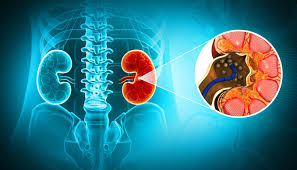
That sudden, gripping pain in your side — sharp enough to stop your mid-sentence — is often the first sign of a kidney stone. But once the diagnosis is confirmed, the bigger question follows: Which kidney stone treatment is right for you?
Should you try diet changes? Rely on medication? Or consider laser surgery?
The truth is, the right kidney stone treatment depends on the stone’s size, location, density, and your overall health. Let us walk through the options clearly and practically.
Why Size and Location Matter in Kidney Stone Treatment
Not all kidney stones behave the same way. A 4 mm stone in the ureter is very different from a 22 mm stone in the lower pole of the kidney.
Treatment decisions are usually guided by:
- Stone size
- Stone location
- Stone composition
- Symptoms and complications
- Previous treatment failures
International guidelines generally recommend:
- Watchful waiting and diet for stones under 10 mm
- Shockwave or laser treatment for 10–20 mm stones
- PCNL surgery for stones over 20 mm or complex cases
Understanding this framework makes choosing the right kidney stone treatment much more logical.
Diet-Based Kidney Stone Treatment: When Conservative Care Works
For very small stones (typically under 5 mm), conservative management can be effective.
Key Dietary Strategies
- Drink at least 2.5 litres of water daily
- Reduce sodium intake.
- Limit animal protein.
- Avoid high-oxalate foods such as spinach and nuts.
- Increase plant-based proteins.
Diet-focused kidney stone treatment works best for prevention and helping very small stones pass naturally.
However, it has a lower stone-free rate compared to surgical methods. If pain worsens or the stone does not pass, further intervention is necessary.
Medication: Targeted Support Based on Stone Type
Medication is often combined with diet as part of kidney stone treatment, especially when stones are 5–10 mm.
Common prescriptions include:
- Potassium citrate – helps alkalinise urine.
- Thiazide diuretics – reduce calcium excretion.
- Allopurinol – for uric acid stones
- Alpha-blockers – relax ureter muscles to ease passage.
Medication is particularly useful for preventing recurrence in patients prone to specific stone types.
But if the stone is large or obstructing urine flow, medication alone will not solve the problem.
Surgical Kidney Stone Treatment: When Intervention Is Necessary
When stones are larger, painful, infected, or blocking urine, surgical kidney stone treatment becomes the safest option.
Modern urology offers minimally invasive solutions with high success rates.
1. ESWL (Shockwave Lithotripsy)
- Best for stones under 20 mm
- Non-invasive
- Moderate stone-free rate
- Quick recovery
2. Ureteroscopy with Laser (RIRS)
- Ideal for 10–20 mm stones
- High stone-free rate (around 77%)
- Minimally invasive
- Recovery in days
Laser procedures are especially popular in Dubai due to advanced facilities and experienced specialists.
Many patients ask about the kidney stone laser treatment cost in Dubai. On average, ureteroscopy with laser ranges between $2,100–$4,500 USD (approximately AED 9,500+), depending on:
- Hospital choice
- Stone size and complexity
- Surgeon expertise
- Insurance coverage
This typically includes diagnostics, operating room fees, hospital stay, medications, and follow-up.
Compared globally, the kidney stone laser treatment cost in Dubai is competitive — often lower than the United States, where similar procedures can exceed $10,000.
3. PCNL (Percutaneous Nephrolithotomy)
- Recommended for stones over 20 mm.
- Highest stone-free rate (~87%)
- Slightly more invasive
- Recovery about a week
For large or complex stones, PCNL often outperforms laser treatment in stone clearance and reduces the need for repeat procedures.
Comparison: Diet vs Laser vs PCNL
Here is a simplified overview to help clarify:
| Aspect | Diet / Medication | Laser (RIRS) | PCNL |
| Best for | <10 mm stones | 10–20 mm | >20 mm |
| Stone-free rate | Low | High (~77%) | Highest (~87%) |
| Invasiveness | Non-invasive | Minimally invasive | More invasive |
| Recovery | Immediate | Few days | About a week |
| Risks | Minimal | Bleeding, stent discomfort | Slightly higher but low major complications |
This comparison makes one thing clear: larger stones generally require more advanced kidney stone treatment.
Stone Density and Location: Hidden Decision Factors
Two patients with the same stone size may need different treatments.
Why?
- Lower pole stones often respond better to PCNL.
- Hard, dense stones may resist shockwave therapy.
- Previous failed treatments influence the next step.
Imaging (CT scan) plays a crucial role in selecting the safest and most effective kidney stone treatment.
FAQ Section
What is the best kidney stone treatment for a 7 mm stone?
A 7 mm stone may pass with medication, but laser treatment often provides faster and more reliable results.
Is kidney stone laser treatment painful?
Laser lithotripsy is performed under anaesthesia. Post-procedure discomfort is usually mild and temporary.
What is the kidney stone laser treatment cost in Dubai?
The kidney stone laser treatment cost in Dubai typically ranges from $2,100 to $4,500 USD, depending on hospital, stone complexity, and surgeon expertise.
Is PCNL safer than laser treatment?
Both are safe when performed by experienced specialists. PCNL is generally preferred for larger stones due to higher clearance rates.
Can kidney stones return after treatment?
Yes. Preventive kidney stone treatment includes hydration, dietary adjustments, and sometimes long-term medication.
Long-Term Prevention: The Often Ignored Part of Kidney Stone Treatment
Many patients focus only on removing the current stone. But prevention is equally important.
Preventive strategies include:
- Regular urine analysis
- Metabolic evaluation
- Stone composition testing
- Personalised dietary planning
Without prevention, recurrence rates can be significant.
Choosing the right kidney stone treatment depends on clear medical assessment, not guesswork.
- Small stones may respond to diet and medication.
- Medium stones often benefit from laser treatment.
- Large or complex stones usually require PCNL.
Understanding the benefits, risks, and even the kidney stone laser treatment cost in Dubai helps patients make confident decisions.
Dr. Mahesh K Dhanjee is committed to staying at the forefront of the latest technologies, surgical techniques, and advanced treatment options. Every patient is heard, respected, and treated with discretion — particularly when facing painful or sensitive conditions.
Patients can access expert care in renal stones, prostatic disease, paediatric urology, incontinence, renal oncology, erectile dysfunction and more. If you’re experiencing symptoms or want personalised guidance on kidney stone treatment, timely consultation can protect your kidney health and prevent future complications.