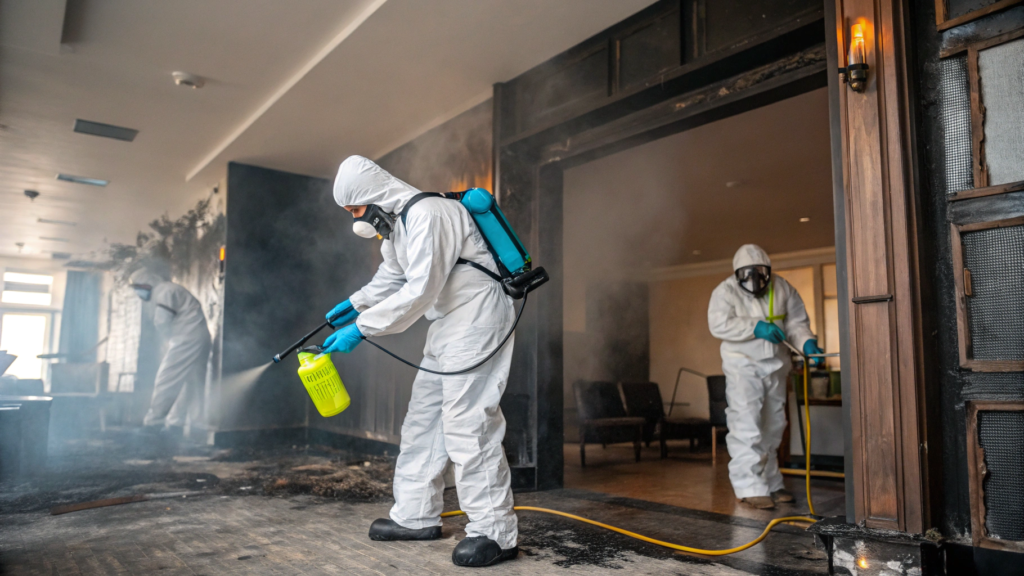
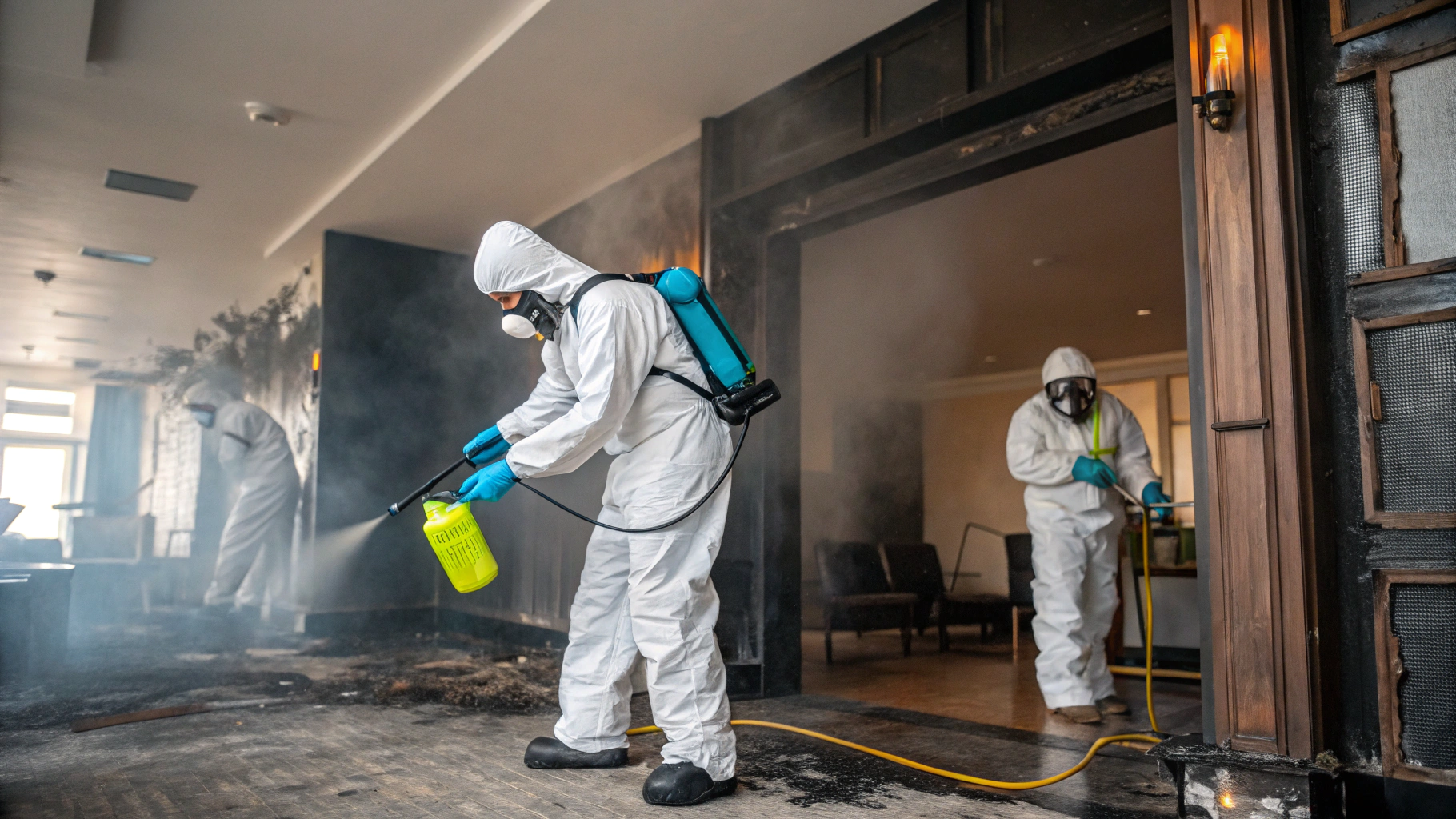
A fire can leave behind more than visible destruction. Even after flames are extinguished, smoke residue, soot particles, and moisture from firefighting efforts continue affecting the structure. Many homeowners underestimate how quickly secondary damage develops in the hours following a disaster. This article explains when immediate professional response is necessary, what risks increase with delay, and how emergency restoration services protect property from further loss.
Fire recovery is not only about rebuilding burned areas. It is about stopping smoke, soot, and moisture from causing ongoing damage throughout the home.
Introduction
After a fire, emotions run high and the focus often shifts to safety and insurance calls. However, the condition of the property continues to change rapidly. Smoke spreads through ventilation systems, soot settles on surfaces, and water used to extinguish flames soaks into walls and flooring. Waiting even a day can make restoration more complex. Understanding when to call emergency restoration services ensures homeowners act during the most critical window for preventing additional damage.
24/7 fire damage restoration: When Immediate Action Is Essential
There are situations where emergency response cannot wait for regular business hours. In cases requiring 24/7 fire damage restoration, professional teams respond quickly to stabilize the property and prevent secondary damage.
Immediate service is essential when structural elements are exposed, smoke odor spreads rapidly, or moisture remains inside the home after firefighting efforts. Quick action reduces corrosion, staining, and contamination that worsen over time. Around-the-clock availability ensures help arrives when it is needed most.
When Structural Damage Leaves the Home Exposed
Fire can weaken roofing, walls, windows, and doors. If parts of the structure are open or compromised, additional risks increase.
Emergency restoration is needed when:
- Roof sections are damaged
- Windows are broken from heat or impact
- Exterior walls are exposed
- Debris creates safety hazards
Immediate board-up and stabilization prevent further deterioration.
When Smoke and Soot Spread Beyond the Burned Area
Smoke rarely stays confined to one room. It travels through air ducts and settles in hidden areas throughout the property.
Professional response is critical if:
- Soot appears on ceilings or walls in multiple rooms
- HVAC systems circulate smoke odor
- Surfaces feel oily or stained
- Electronics show signs of residue
Quick cleaning prevents permanent staining and corrosion.
When Firefighting Efforts Cause Water Damage
Water used to extinguish flames can create its own set of problems. Saturated drywall, insulation, and flooring become vulnerable to mold growth.
Emergency restoration is required when:
- Standing water remains inside the home
- Floors feel soft or warped
- Ceilings show water stains
- Humidity levels remain high
Rapid drying reduces the risk of mold and structural weakening.
When Strong Odors Persist
Smoke odor can embed deeply into porous materials. The longer it lingers, the harder it becomes to remove.
Immediate deodorization is necessary if:
- Odor intensifies after ventilation
- HVAC systems spread the smell
- Furniture and fabrics retain strong smoke scent
- Air quality feels uncomfortable
Professional treatments neutralize odor instead of masking it.
When Safety Concerns Are Present
After a fire, hidden hazards may remain inside the property. Damaged wiring, unstable structures, or lingering contaminants can create unsafe conditions.
Emergency services are needed when:
- Electrical systems are exposed
- Floors or ceilings feel unstable
- Ash and debris create respiratory concerns
- The source of damage has not been fully secured
Professional inspection ensures safe entry and recovery.
How Immediate Restoration Prevents Long-Term Damage
Time directly impacts the extent of restoration required. Delayed action allows smoke and soot to settle deeper into materials.
Fast response helps:
- Preserve salvageable belongings
- Prevent corrosion of metal surfaces
- Reduce permanent staining
- Limit mold growth from moisture
- Shorten overall restoration timelines
Early intervention often lowers repair costs.
What 24/7 Restoration Typically Includes
Emergency fire restoration services begin with stabilization and progress into detailed cleanup.
Initial steps often involve:
- Securing the property from outside exposure
- Removing debris and hazardous materials
- Extracting water and controlling humidity
- Cleaning soot and smoke residue
- Starting odor neutralization procedures
This structured process protects the home while preparing for rebuilding.
Why Waiting Can Increase Costs
Many homeowners consider waiting until daylight or business hours to call for help. Unfortunately, damage continues overnight.
Delays can result in:
- Increased corrosion of appliances
- Permanent discoloration of walls
- Stronger smoke odor absorption
- Mold development in damp materials
- Higher reconstruction expenses
Immediate response protects both the structure and the budget.
Conclusion
Homeowners should seek emergency restoration services whenever fire, smoke, or water damage threatens the safety and stability of their property. Quick stabilization, drying, and cleanup prevent secondary damage and reduce long-term repair costs. When handled promptly, fire and smoke damage repair becomes more manageable and efficient, helping families return to a safe living environment as soon as possible.
FAQs
Q1: How quickly should restoration begin after a fire?
A: Restoration should begin as soon as the property is declared safe, ideally within the first 24 hours.
Q2: Does smoke damage worsen if untreated?
A: Yes, smoke and soot can continue damaging surfaces and spreading odor if not cleaned promptly.
Q3: Is emergency service necessary for small fires?
A: Even small fires can spread smoke throughout the home, so professional evaluation is recommended.