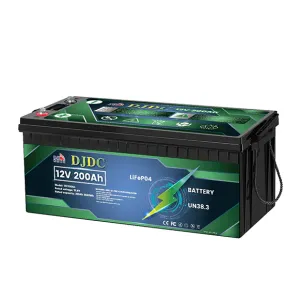
Lithium batteries are becoming one of the most sought-after energy storage solutions in Pakistan. As the country moves toward renewable power, efficient backup systems, and modern electronics, lithium batteries are gradually replacing traditional lead-acid lithium battery in pakistan and dry-cell batteries. Their longer lifespan, faster charging, and high energy density make them an ideal choice for both households and industries.
This article explores the rise of lithium batteries in Pakistan, their types, common uses, advantages, and future potential.
Why Lithium Batteries Are Growing in Pakistan
1. Shift Toward Solar Energy
Pakistan has seen a massive rise in solar installations for homes and businesses. Solar systems require reliable energy storage, and lithium batteries—especially LiFePO₄—offer longer cycle life and greater efficiency compared to lead-acid batteries.
2. Frequent Power Outages
Load-shedding and unstable voltage remain issues in many regions. Lithium batteries provide quick charging and reliable backup power, making them useful for homes, offices, and telecom sectors.
3. Modern Electronics and EV Trends
From portable electronics to electric rickshaws and e-bikes, the need for lightweight, long-lasting batteries is increasing. Lithium batteries fulfill these requirements better than traditional options.
4. Long-Term Cost Savings
Although more expensive initially, lithium batteries last several years longer, making them cost-effective over time. Their low maintenance and high performance help reduce long-term energy expenses.
Types of Lithium Batteries Available in Pakistan
Pakistan’s market offers multiple lithium-based chemistries, each suitable for different purposes:
1. LiFePO₄ (Lithium Iron Phosphate)
The most popular option for solar systems and UPS backups.
Benefits:
-
Long cycle life
-
High safety and stability
-
Excellent performance in high temperatures
2. Lithium-Ion (Li-Ion)
Commonly used in laptops, mobile phones, power banks, and small appliances.
Benefits:
-
Lightweight
-
High energy density
-
Fast recharge time
3. Lithium Polymer (Li-Po)
Mostly used in drones, smartphones, and RC devices.
Benefits:
-
Slim, flexible design
-
Lightweight construction
4. Lithium Titanate (LTO)
Less common but used in industrial and high-performance environments.
Benefits:
-
Extremely fast charging
-
Long cycle life
-
Durable in extreme temperatures
Major Uses of Lithium Batteries in Pakistan
1. Home Solar Systems
Lithium batteries are now widely used in hybrid and off-grid solar setups. They store solar energy more efficiently and last far longer than lead-acid batteries.
2. UPS & Backup Power
Homes and businesses use lithium batteries for uninterrupted power supply systems due to their longevity and fast charging.
3. Electric Vehicles (EVs)
Electric motorcycles, rickshaws, and compact EVs depend heavily on lithium batteries for efficiency and range.
4. Telecom & Industrial Applications
Telecom towers, data centers, and large-scale industries use lithium-based storage for reliable, stable power.
5. Consumer Electronics
Mobile phones, laptops, cameras, drones, and smart home devices all rely on lithium battery technology.
Advantages of Lithium Batteries for Pakistani Users
1. Longer Lifespan
Lithium batteries offer thousands of charging cycles, significantly higher than traditional lead-acid batteries.
2. Fast Charging
Lithium batteries charge quickly, making them suitable for frequent use during load-shedding or solar charging.
3. Lightweight and Compact
Portable energy storage becomes easier due to high energy density and minimal weight.
4. Low Maintenance
Unlike lead-acid batteries, they do not require water topping, equalizing, or regular maintenance.
5. Higher Efficiency
Lithium batteries can discharge deeper (up to 80–90%) without damaging the cells, offering more usable energy.
6. Improved Safety (LiFePO₄)
Modern LiFePO₄ chemistry is highly stable and less prone to overheating, making it a safe option for home use.
Challenges of Lithium Batteries in Pakistan
While lithium batteries offer many benefits, they also face certain limitations:
1. Higher Upfront Cost
Even though prices are coming down globally, lithium batteries remain more expensive than lead-acid units.
2. Import Dependency
Most lithium cells and packs are imported, which increases cost due to customs duties and currency fluctuations.
3. Limited Awareness
Some consumers are unfamiliar with lithium technology and hesitate due to higher prices.
4. Need for Proper Installation
Lithium batteries require compatible inverters and proper wiring for safe operation.
Future of Lithium Batteries in Pakistan
Pakistan’s shift toward renewable energy and electric mobility suggests a strong future for lithium battery adoption. Key developments expected in the coming years include:
-
Growth in local assembly and manufacturing
-
Wider use in electric vehicles and public transport
-
Government incentives for clean energy storage
-
Increased competition, leading to lower prices
-
More efficient lithium battery chemistries entering the market
As solar systems, consumer electronics, and EVs continue to expand, lithium batteries will likely become the standard power storage solution in homes and industries across the country.
Conclusion
Lithium batteries are transforming Pakistan’s energy landscape. From home solar systems to electric vehicles and modern electronics, lithium technology offers long-term efficiency, reliability, and cost savings. Although the initial price is higher, the long lifespan and strong performance make lithium batteries a smart investment for anyone seeking dependable energy storage.