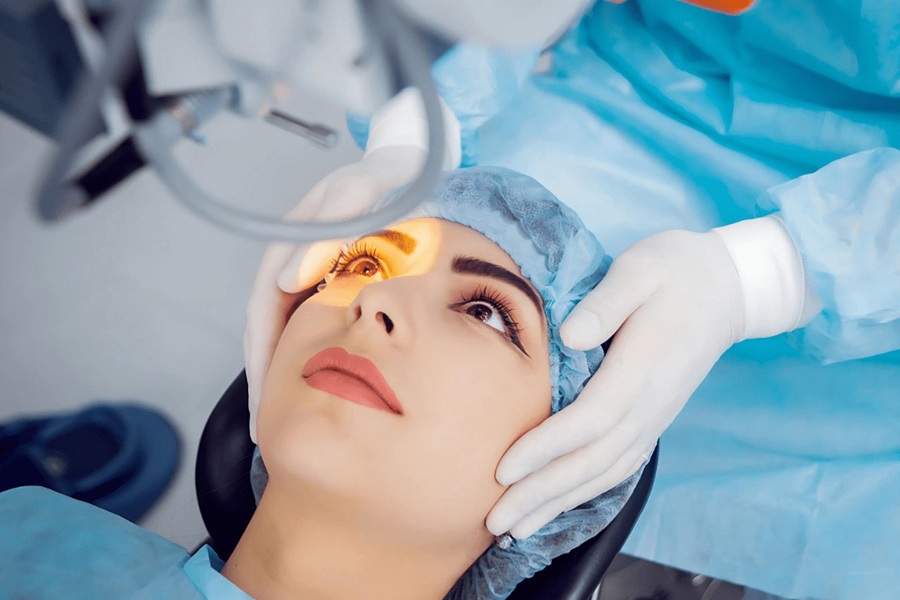
In our increasingly digital world, the sensation of “sandy,” “gritty,” or “burning” eyes has become a common complaint. While often dismissed as a minor annoyance, chronic dry eye is a complex medical condition that affects the quality of life for millions. Whether you’re working under air conditioning, staring at a screen for hours, or experiencing age-related changes, understanding the underlying cause of your discomfort is the first step toward lasting relief.
In 2026, managing dry eyes has evolved from simply using over-the-counter drops to a multi-modal medical approach that targets inflammation and restores the eye’s natural ecosystem.
What is Dry Eye Treatment?
Dry Eye Disease (DED), or keratoconjunctivitis sicca, occurs when your tears cannot provide adequate lubrication. This isn’t just about the quantity of tears; it’s often about the quality. A healthy tear film consists of three layers:
-
Oil (Lipid) Layer: Produced by the meibomian glands to prevent evaporation.
-
Water (Aqueous) Layer: Produced by the lacrimal glands to cleanse and hydrate.
-
Mucus Layer: Helps tears spread evenly across the surface of the eye.
Modern dry eye treatment focuses on identifying which of these layers is compromised—most commonly the oil layer—and using clinical therapies to restore balance.
Causes and Risk Factors
Dry eyes can be triggered by a wide array of internal and external factors:
-
Digital Eye Strain: We blink 60% less when looking at screens, causing tears to evaporate faster.
-
Environmental Factors: Smoke, wind, and dry indoor air (AC or heating) strip moisture from the ocular surface.
-
Aging and Hormones: Tear production naturally decreases with age, and hormonal shifts (especially during menopause) can significantly affect tear chemistry.
-
Medical Conditions & Medications: Autoimmune diseases like Sjögren’s syndrome, or medications like antihistamines and blood pressure drugs, often contribute to dryness.
Read Also: Seeing Clearly: A Comprehensive Guide to LASIK Surgery in 2026
Recognizing the Symptoms
It may seem counterintuitive, but excessive tearing is one of the most common signs of dry eye. When the eye becomes irritated due to dryness, the nervous system sends a “panic” signal to the lacrimal gland to flood the eye with watery tears. However, these reflex tears lack the essential oils needed to stay on the eye, leading to a cycle of wetness followed by immediate dryness.
Other symptoms include:
-
A stinging or scratchy sensation.
-
Sensitivity to light (photophobia).
-
Blurred vision that improves momentarily after blinking.
-
Difficulty wearing contact lenses for extended periods.
Advanced Treatment Options in 2026
If traditional artificial tears aren’t providing relief, your eye specialist may recommend advanced, in-office procedures:
1. Intense Pulsed Light (IPL) Therapy
Originally used in dermatology, IPL uses precise light pulses to treat ocular rosacea and meibomian gland dysfunction (MGD). It reduces inflammation around the eyelids and helps liquefy hardened oils that block the glands.
2. Thermal Pulsation (LipiFlow)
This “spa-like” treatment for the eyes applies gentle heat and pressure to the internal eyelids. It effectively clears out blocked oil glands, allowing your natural lipids to flow freely and prevent tear evaporation.
3. Prescription Immunomodulators
Medicines like cyclosporine or lifitegrast help the body produce more of its own natural tears by reducing inflammation on the ocular surface.
Why Early Diagnosis Matters
Dry eye is a progressive condition. When left untreated, chronic inflammation can lead to Meibomian Gland Atrophy—where the oil-producing glands eventually wither away and stop functioning permanently. Early diagnosis allows for “gland rescue” therapies that can preserve your eye’s ability to lubricate itself, preventing long-term complications like corneal scarring or persistent ulcers.
Read Also: Navigating Myopia: Modern Solutions for a Growing Global Challenge
Choosing the Right Eye Specialist
Managing chronic dryness requires more than a standard vision test. It requires specialized diagnostics like Meibography (imaging of the oil glands) and Tear Break-Up Time (TBUT) testing.
When selecting a provider, look for a clinic that offers a dedicated dry eye suite and a personalized management plan. For comprehensive evaluation and access to the latest therapies, consulting with experts in dry eye treatment ensures you aren’t just masking symptoms, but treating the root cause.
FAQs
1. Can dry eyes cause permanent vision loss? While rare, severe and untreated dry eye can cause chronic inflammation, leading to corneal ulcers or scarring that can permanently blur vision. Early intervention is key to preventing these complications.
2. Is IPL treatment for dry eyes painful? Most patients describe the sensation as a light “snap” of a rubber band. It is a non-invasive, outpatient procedure that takes about 10–15 minutes and requires no downtime.
3. Why are my eyes watery if I have “dry eye”? This is known as reflex tearing. Because your tear film is unstable (usually lacking oil), the eye becomes irritated and over-produces watery tears. Unfortunately, these tears evaporate too quickly to provide real relief.
Conclusion
Living with dry eyes doesn’t have to be a daily struggle. With the advent of light-based therapies and advanced lid hygiene protocols in 2026, there are more ways than ever to restore comfort and clarity to your vision. By moving beyond temporary “eye drops” and seeking a professional clinical diagnosis, you can break the cycle of irritation and protect your ocular health for years to come.
Medical Disclaimer: This article is for informational purposes only and does not substitute for professional medical advice, diagnosis, or treatment. Always seek the advice of an ophthalmologist or other qualified health provider with any questions regarding a medical condition.