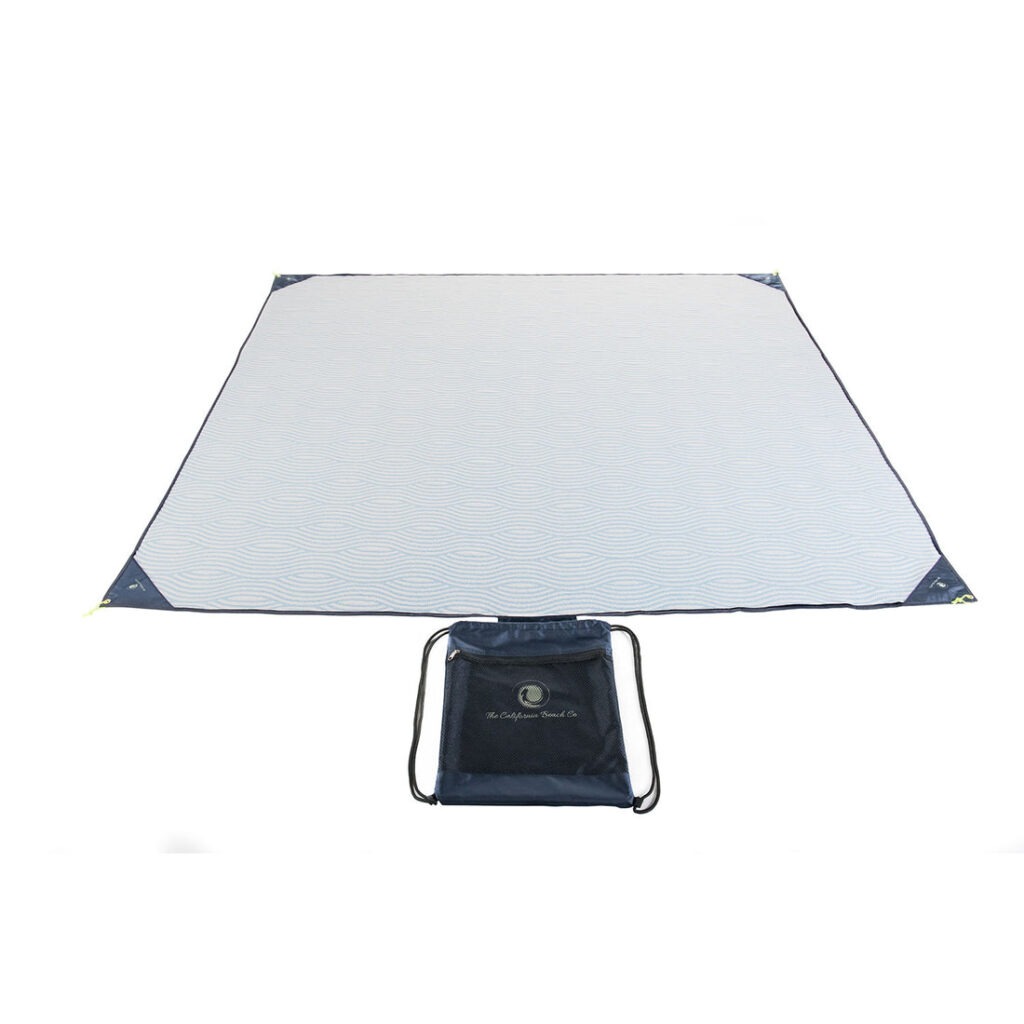
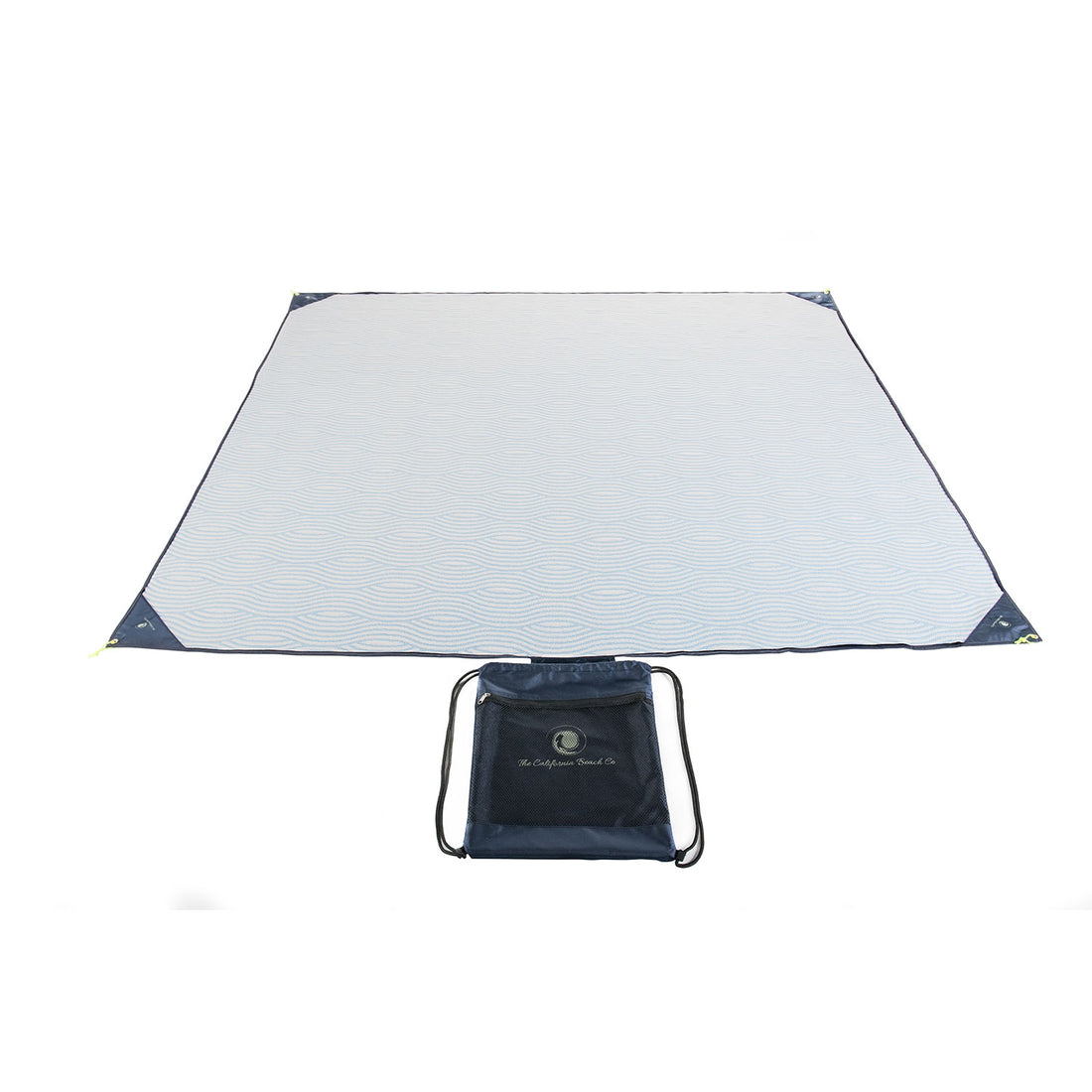
Early childhood development is shaped significantly by a child’s environment. From the moment infants begin to roll, reach, and crawl, their physical surroundings influence how they explore and interact with the world. In recent years, the portable play mat has become an increasingly popular tool among parents seeking safe, flexible spaces for their babies.
More specifically, the portable infant play mat is now widely recognized as more than a convenience item, it plays an important role in supporting both safety and developmental growth during the earliest stages of life.
The Importance of Floor-Based Play in Infancy
Pediatric development experts consistently emphasize the importance of floor time for infants. Unlike time spent in swings, bouncers, or carriers, floor-based play encourages natural movement. It allows babies to strengthen muscles, practice coordination, and build spatial awareness.
A portable play mat provides a clean and cushioned surface where infants can safely practice:
-
Tummy time
-
Rolling over
-
Crawling
-
Reaching and grasping
-
Sitting independently
These early movements lay the foundation for gross motor skill development. Without adequate floor time, infants may have fewer opportunities to strengthen core muscles and improve balance.
Creating a Safe Play Environment Anywhere
One of the main concerns for parents is ensuring that their baby’s play space is safe and hygienic. Floors in public places, outdoor settings, or even certain areas of the home may not always be suitable for direct contact.
A portable infant play mat helps address this concern by offering a designated surface that can be placed on grass, sand, hardwood floors, or carpet. This creates a barrier between the child and potentially unsafe surfaces.
Key safety benefits include:
-
Cushioning to reduce impact during falls
-
Separation from dirt, dust, and debris
-
Defined play boundaries
-
Non-slip or stable surfaces for movement
By creating a consistent and secure environment, parents can allow infants to explore with greater confidence.
Supporting Sensory Development
Infants learn primarily through sensory experiences. Texture, temperature, color, and touch all contribute to cognitive development. Many portable play mats are designed with soft materials and visually engaging patterns that encourage sensory stimulation.
As babies move across the mat, they begin to understand how their bodies interact with different surfaces. This tactile feedback supports neural connections that are critical during the first year of life.
Outdoor use of a portable play mat can further enhance sensory learning by allowing infants to experience natural light, fresh air, and surrounding sounds in a controlled setting.
Encouraging Independent Exploration
Healthy development involves gradually increasing independence. When infants have a safe space to move freely, they are more likely to explore independently. A portable infant play mat provides that defined area where babies can practice movement without constant repositioning.
Independent floor play helps infants:
-
Build problem-solving skills
-
Strengthen coordination
-
Improve focus and attention span
-
Develop confidence in physical abilities
This balance between supervision and autonomy is an important part of early growth.
Consistency Across Different Environments
Modern families are often on the move, visiting relatives, traveling, or spending time outdoors. Maintaining consistency in an infant’s environment can help reduce overstimulation and stress.
A portable play mat allows parents to recreate a familiar play surface wherever they go. This familiarity can be comforting to infants, particularly during early developmental stages when routine plays a significant role in emotional regulation.
Consistency in play environments also ensures that developmental activities like tummy time continue uninterrupted, even outside the home.
Promoting Tummy Time Comfort
Tummy time is essential for strengthening neck, shoulder, and upper body muscles. However, some infants resist tummy time due to discomfort on hard or uneven surfaces.
Using a cushioned portable infant play mat can make tummy time more comfortable and inviting. A softer surface reduces pressure on the chest and elbows while still providing enough firmness for muscle engagement.
Regular and comfortable tummy time supports:
-
Head control
-
Rolling readiness
-
Crawling progression
-
Postural development
These milestones are closely connected to overall physical growth.
Hygiene and Easy Maintenance
Infants frequently put their hands, and often toys, into their mouths. Cleanliness is therefore a major concern in any play area. Portable play mats are typically designed to be easy to wipe down, fold, and store.
This ease of maintenance encourages more frequent outdoor or shared-space play, as parents can quickly clean the surface after use. Maintaining a hygienic play environment supports overall health during a stage when immune systems are still developing.
Adaptability as Infants Grow
Another advantage of a portable play mat is its versatility. While initially used for newborn floor time, it continues to serve a purpose as babies transition into crawling and sitting stages.
As motor skills develop, the mat becomes a base for interactive toys, books, and sensory activities. This adaptability makes it a long-term developmental tool rather than a short-term accessory.
Supporting Balanced Screen-Free Play
With growing awareness around screen exposure in early childhood, many parents are intentionally encouraging more hands-on, physical play. A portable play mat naturally supports screen-free engagement by creating an inviting space dedicated to movement and interaction.
Floor play encourages direct caregiver interaction, strengthening emotional bonds while promoting language and social development.
Frequently Asked Questions (FAQs)
1. At what age can a baby start using a portable infant play mat?
Portable play mats can be used from the newborn stage for supervised tummy time and continue to be useful through crawling and early toddler stages.
2. Are portable play mats safe for outdoor use?
Yes, when placed on stable ground and used under supervision. They provide a clean and cushioned barrier between the infant and outdoor surfaces.
3. How long should babies spend on a play mat each day?
Short, supervised sessions of floor play throughout the day are recommended. Tummy time can begin with a few minutes at a time and gradually increase as strength improves.
4. What features should parents look for in a portable play mat?
Parents often look for cushioning, non-toxic materials, easy cleaning, portability, and a size that allows free movement for rolling and crawling.