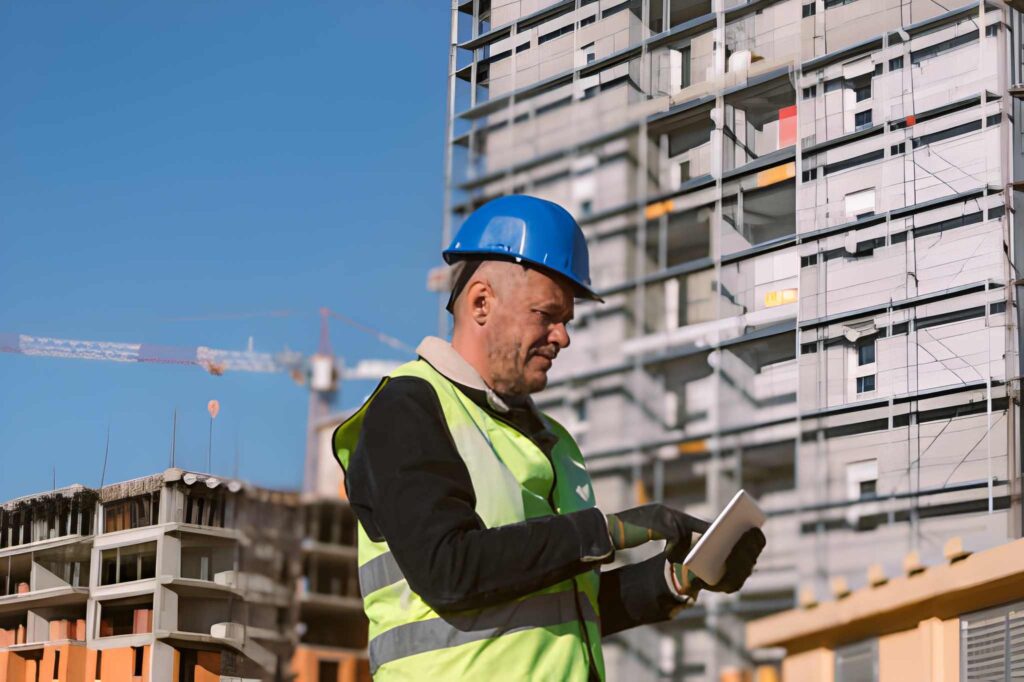

Maintenance work keeps essential systems running smoothly, but it often exposes workers to serious risks like falls, equipment failures, and hazardous exposures. In Australia, where industries from mining to manufacturing rely on reliable upkeep, following proven safety protocols reduces accidents and ensures compliance with standards like those from Safe Work Australia. These five basic rules provide a clear framework for anyone involved in maintenance tasks.
Rule 1: Observe Strict Planning
Proper planning forms the foundation of safe maintenance. Before any work begins, conduct a thorough risk assessment to identify hazards such as confined spaces, electrical risks, or chemical exposures common in Australian workplaces. For Essential Service Maintenance, this preparation is particularly critical, as disruptions can impact safety and operations. Involve workers in the process to draw on their firsthand site knowledge, and clearly outline the task scope, required resources, time estimates, and communication protocols with other teams.
Permits-to-work and lockout/tagout procedures must be prepared to isolate energy sources and prevent unexpected startups that cause injuries. Competent personnel, trained in relevant Australian standards like AS/NZS 3000 for electrical safety, should review and approve the plan. This structured approach minimises surprises and aligns with duty-of-care obligations under the Work Health and Safety Act 2011.
Planning also includes checking weather conditions for outdoor tasks, a key factor in Australia’s variable climate, and ensuring backup equipment is available. By documenting everything, teams create an audit trail that demonstrates due diligence.
Rule 2: Secure the Work Area
Once planned, isolate and secure the work area to protect everyone nearby. Use barriers, signage, and locks to block unauthorised access, especially in busy sites like warehouses or construction zones. In Australia, high-visibility bollards and lockout stations are standard to comply with Safe Work Australia guidelines. Remove or control hazards by depressurising systems, draining fluids, and ventilating confined spaces to avoid toxic buildup.
Appoint a supervisor to monitor entry and ensure only authorised, trained workers proceed. For elevated work, install edge protection or scaffolding certified to AS 1576 standards. This rule prevents incidents where passersby or other trades interfere, which account for many maintenance-related disruptions.
Rule 3: Select the right equipment and PPE
Using the correct tools and personal protective equipment (PPE) matches the job’s demands and environment. Inspect all gear beforehand for damage, ensuring non-sparking tools for flammable areas or insulated ones for electrical tasks, as required by Australian standards. Provide task-specific PPE like arc-flash suits, respirators, or harnesses rated for the risk level.
Workers need clear instructions on equipment use, often via laminated checklists or digital apps common in modern Australian firms. For example, in mechanical maintenance, torque wrenches calibrated to manufacturer specs prevent over-tightening failures. Employers must supply and maintain this equipment, fostering a culture where shortcuts are unacceptable. Proper selection reduces physical strain and exposure, directly supporting long-term worker health.
Rule 4: Execute Work as Planned
Follow the plan precisely with constant supervision to maintain safety. Assign a competent person in charge to monitor adherence, stopping work if deviations occur or new hazards arise. Communicate via two-way radios or apps, especially in noisy or remote Australian sites, and use the permit system to verify steps like isolations.
Regular toolbox talks reinforce procedures, addressing fatigue from shift work prevalent in industries like oil and gas. Never rush, even under production pressure; shortcuts lead to slips, trips, or tool drops. Document progress in real-time logs, allowing adjustments without compromising safety. This disciplined approach ensures tasks are completed efficiently while upholding Work Health and Safety Regulations.
Rule 5: Perform Final Checks and Handover
Before restarting operations, conduct rigorous final inspections. Verify all guards are reinstalled, tools accounted for, and systems recommissioned safely, with tests like pressure checks or functional runs. Clean the area, remove barriers, and update records to note any changes or defects found.
Hand over to operations with a debrief, highlighting issues like partial repairs needing follow-up. In Australia, this aligns with Safe Work Australia’s emphasis on post-maintenance verification to prevent residual risks. Train workers to report near-misses, feeding data into continuous improvement cycles. These checks confirm the work’s integrity and prepare the site for normal use.
Additional Best Practices for Australian Contexts
Beyond the core rules, integrate site-specific measures like heat stress protocols for summer maintenance or dust controls in mining regions. Regular drills build muscle memory, and digital platforms track compliance across teams. Maintenance logs serve as evidence for audits by regulators like SafeWork NSW.
Prioritise mental health, too; clear breaks prevent errors from fatigue. By embedding these rules into daily routines, organisations cut downtime and injury rates significantly.
Why These Rules Matter Long-Term
Adhering to the five basic rules transforms maintenance from a high-risk chore into a reliable process. They promote a humane focus on worker well-being, reducing Australia’s workplace injury rate, which exceeds 1.3 million incidents yearly per Safe Work Australia data. For expert guidance on implementing Essential Service Maintenance, consider specialists who ensure compliance. In conclusion, ESM Compliance offers tailored solutions to uphold these standards nationwide.