What Is the Ligamentum Flavum?
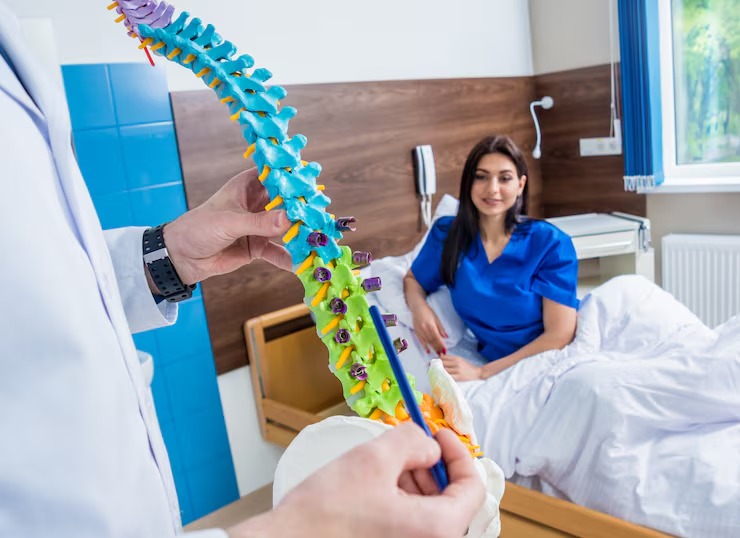
The ligamentum flavum is a flexible ligament that runs along the back portion of the spinal canal, connecting adjacent vertebrae. Its elasticity helps support posture and allows smooth movement of the spine during bending and twisting. This ligament plays a vital role in maintaining spinal stability while protecting delicate spinal structures.
Over time, the ligamentum flavum can lose elasticity and become thicker. This process, known as ligamentum flavum thickening, is often associated with aging and repetitive mechanical stress on the spine. When the ligament thickens, it can reduce the space available for nerves within the spinal canal.
Causes of Ligamentum Flavum Thickening
Ligamentum flavum thickening typically develops gradually. Common contributing factors include age-related changes, degenerative spine conditions, poor posture, repetitive strain, and prolonged mechanical stress on the back. Reduced spinal flexibility and long-term inflammation can also contribute to thickening of the ligament.
Occupational strain, sedentary habits, and improper body mechanics may accelerate these changes. Over time, the thickened ligament can contribute to narrowing of spinal spaces, increasing pressure on nearby nerve structures.
Symptoms and Potential Effects
Symptoms vary depending on the extent of thickening and nerve involvement. Some individuals experience mild stiffness or discomfort, while others may develop persistent back pain, numbness, tingling, or weakness in the limbs. In more advanced cases, nerve compression may interfere with walking, balance, or prolonged standing.
Common symptoms include:
- Chronic back pain
- Stiffness and reduced flexibility
- Radiating pain into the arms or legs
- Numbness or tingling sensations
Early symptoms are often subtle and may worsen gradually if not addressed.
Diagnosis and Clinical Evaluation
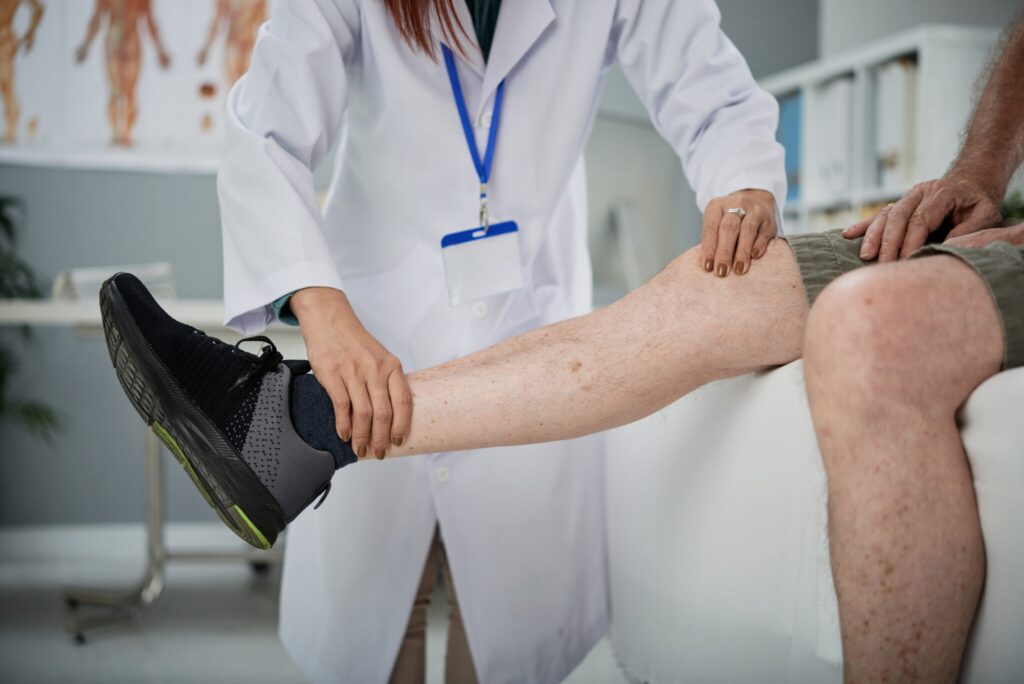
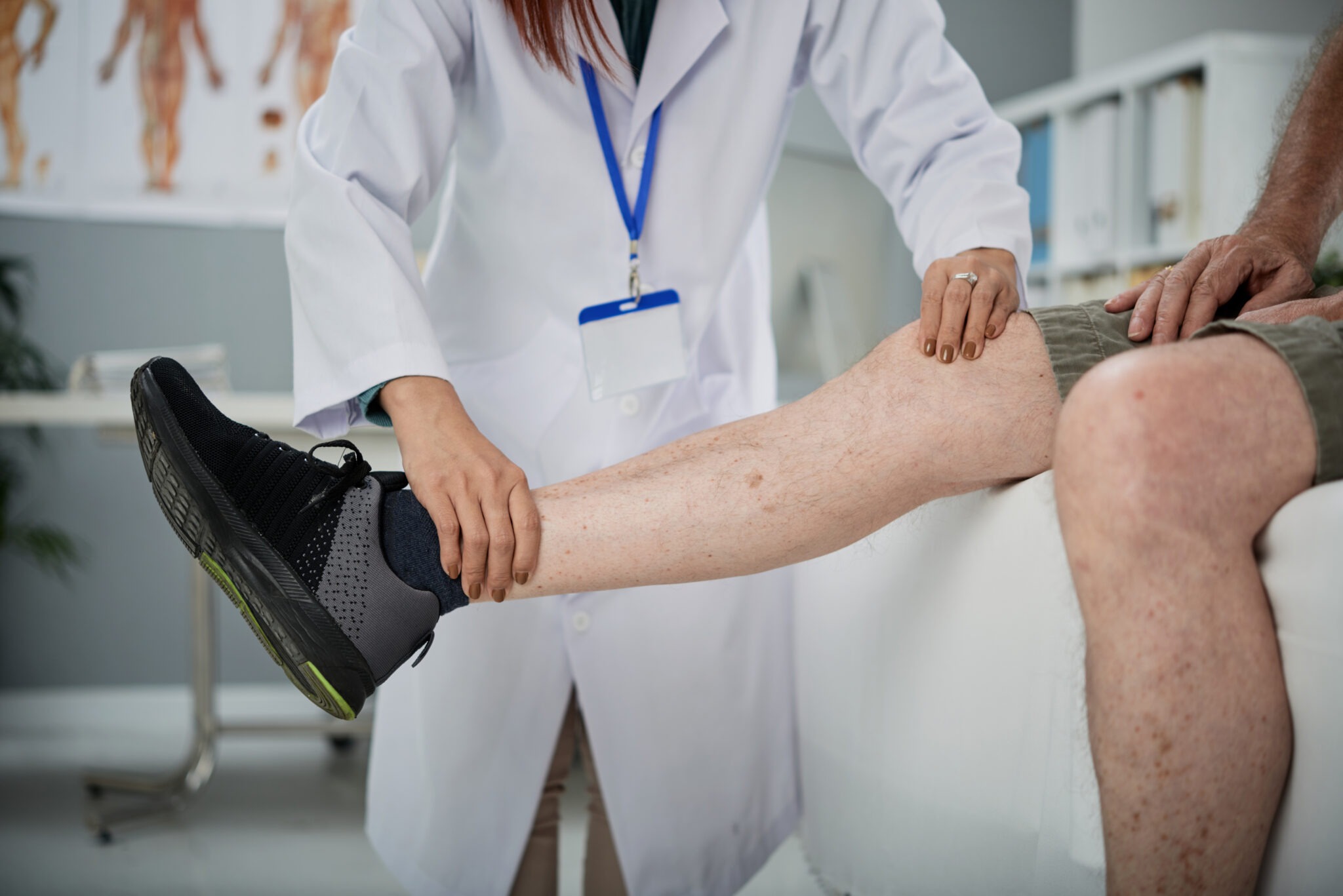
Diagnosis typically involves a combination of physical examination and imaging studies to assess spinal structures and nerve involvement. Early detection allows for timely intervention and helps prevent worsening nerve compression.
Treatment and Management Strategies
Management focuses on reducing symptoms and supporting spinal health. Conservative approaches often include guided movement programs, posture correction, and targeted rehabilitation to improve flexibility and spinal support. These strategies aim to reduce stress on spinal structures and improve overall function.
In more advanced cases, additional interventions may be considered to relieve nerve pressure and improve mobility. A structured treatment plan is essential for long-term symptom control and functional improvement.
Supporting Long-Term Spinal Health
Preventive strategies play a major role in slowing progression. Maintaining healthy posture, staying active, strengthening core muscles, and avoiding prolonged static positions can help reduce spinal strain. Regular movement and flexibility exercises support spinal resilience and comfort.
Conclusion
Ligamentum flavum thickening is a common degenerative change that can significantly affect spinal comfort and nerve health over time. With early recognition and a structured management approach, many individuals can reduce symptoms and maintain mobility. Proactive care and healthy movement habits support long-term spinal well-being.
For individuals seeking guidance on managing spinal discomfort and degenerative changes, MVM Health provides patient-centered care strategies focused on restoring comfort, function, and long-term quality of life.
FAQs
Q1: Is ligamentum flavum thickening reversible?
The structural thickening itself may not fully reverse, but symptoms can often be managed effectively with proper care.
Q2: Does ligamentum flavum thickening always cause pain?
Not always. Some people have thickening without noticeable symptoms.
Q3: Can exercise help manage symptoms?
Yes. Targeted exercises and posture correction can reduce strain and improve spinal function.
Q4: When should I seek professional care?
If symptoms persist, worsen, or interfere with daily activities, professional evaluation is recommended.