Footwear remains one of the most reliable product categories for UK fashion resellers, offering steady demand across every quarter of the year. Within this space, wholesale slippers play a quiet but powerful role in maintaining consistent turnover for boutiques, market traders, and independent shops. Rather than being limited to winter stock, this category has developed into an all-season performer when sourced and merchandised correctly through a wholesale strategy designed for trade buyers.
Why wholesale slippers Drive Year-Round UK Sales
Demand patterns in the UK no longer follow strict seasonal lines. While colder months naturally increase sales of fleece-lined and thermal styles, lighter indoor footwear continues to move steadily during spring and summer. Retailers across high streets and local markets now treat slipper ranges as transitional stock instead of purely winter clearance items.
Reliable suppliers understand this shift. Product development now includes breathable fabrics, open-back designs, and lighter soles suitable for warmer months. Because of this evolution, stock rotation becomes smoother, and large seasonal gaps are avoided.
Stable turnover across the year improves cash flow planning for independent retailers. Instead of placing heavy winter-only orders, buyers can introduce smaller but more frequent replenishment cycles. This keeps ranges fresh while protecting margins.
Careful planning allows footwear displays to evolve rather than disappear after February. With thoughtful range building, retailers create continuity that supports steady footfall and repeat purchasing behaviour within their local markets.
Seasonal Flexibility and Product Variation
Footwear wholesalers serving the UK market now focus heavily on adaptable collections. Fabric choice plays a central role. Plush linings dominate autumn and winter assortments, while cotton blends and lightweight synthetics support spring displays.
Colour palettes also change through the year. Dark neutrals and deep tones move strongly in colder months, while pastel shades and soft greys attract attention in brighter seasons. Maintaining variety keeps displays relevant without fully replacing the category.
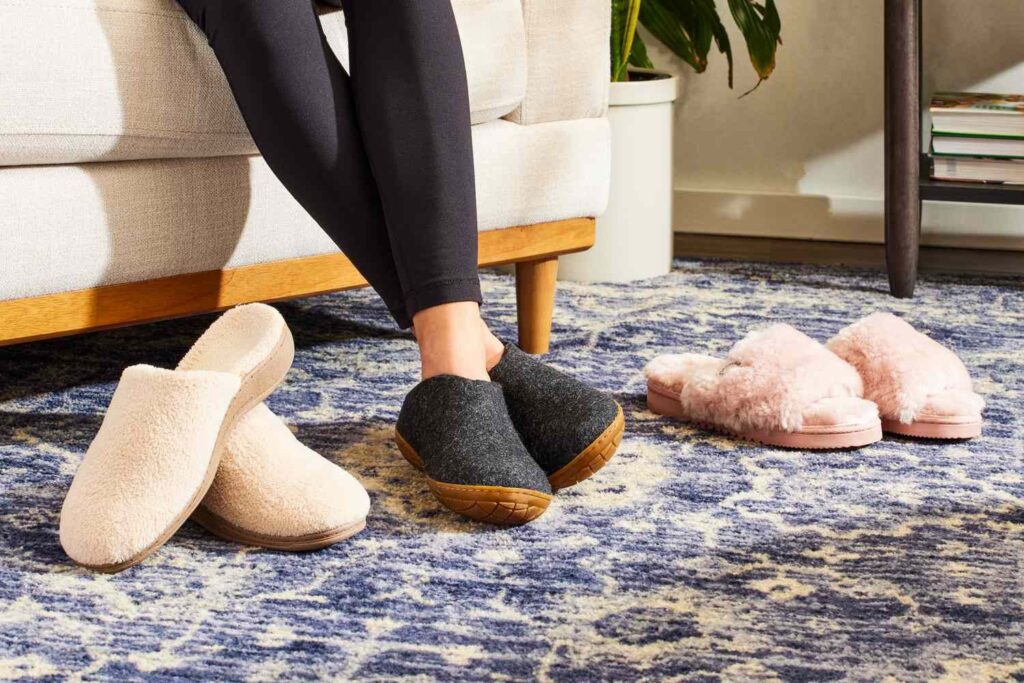
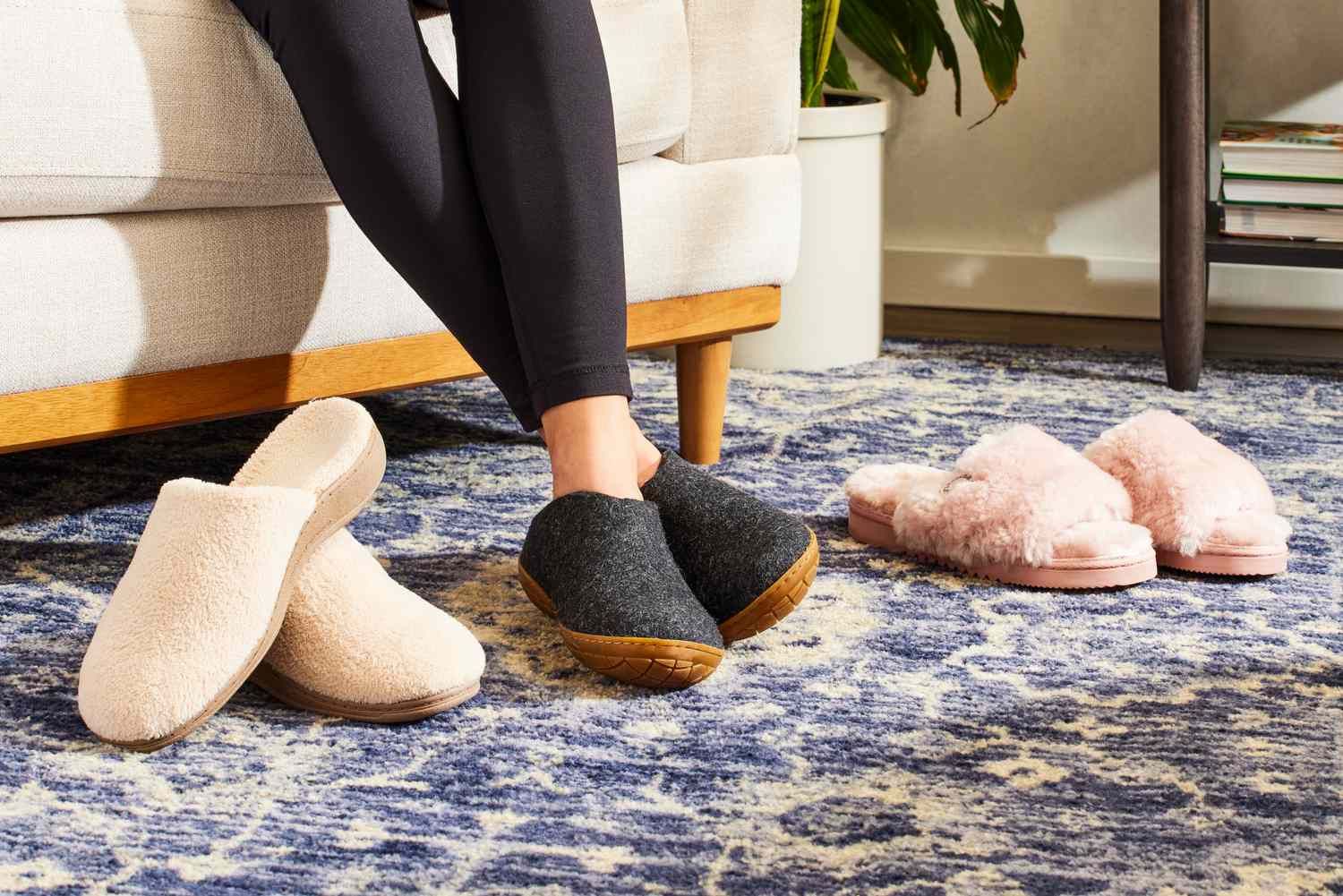
Style variation supports wider audience reach. Mule shapes, closed-toe slip-ons, slider silhouettes and novelty designs each serve different retail formats. Smaller boutiques often favour refined designs, while market traders benefit from volume-driven comfort styles.
Range depth is important. Offering multiple sizes in balanced ratios prevents dead stock. Because footwear sizing patterns are predictable in the UK, experienced buyers use past sales data to guide repeat orders.
Margins improve when buyers avoid trend-only purchasing. Core comfort shapes tend to outperform short-lived novelty themes. Strong wholesale relationships help retailers access replenishable lines rather than one-off batches.
Positioning Slippers Within a Broader Footwear Mix
Footwear displays perform best when categories complement each other rather than compete. Many UK stockists integrate indoor styles alongside sandals, trainers, and lightweight boots to present a full lifestyle range.
During warmer months, pairing slipper styles with breathable summer footwear creates visual continuity. Many resellers balance their buying plans between indoor and outdoor options such as wholesale sandals, allowing them to serve multiple use occasions without overcommitting to one product type.
Product grouping should follow function rather than strict season. Comfort-driven footwear performs consistently in the UK market, particularly in regions with cooler climates where indoor wear remains practical year-round.
Clear pricing structure also supports movement. Entry-level styles attract volume buyers, while premium designs with memory foam soles or structured support generate higher per-unit margins.
Profit Stability Through Smart Buying Cycles
Wholesale buying should follow rhythm rather than impulse. Many retailers now divide footwear purchasing into smaller quarterly cycles. This approach reduces storage pressure and limits markdown risk.
Forward planning is essential. Early autumn remains the strongest period for volume ordering, yet spring buying should not be ignored. Lighter materials and neutral colours create reliable mid-year movement.
Strong relationships with clothes suppliers allow retailers to coordinate footwear with matching apparel ranges. Coordinated buying strengthens cross-merchandising opportunities and creates a more cohesive shop layout.
Trade buyers benefit from reviewing sales reports every quarter. Identifying repeat sellers allows confident reordering, while slow lines can be replaced with updated variations instead of abandoning the category entirely.
Cash flow stability improves when stock levels match realistic sales velocity. Overbuying reduces flexibility. Controlled purchasing maintains agility.
Comfort as a Core Selling Driver
Comfort remains one of the most consistent drivers of footwear performance in the UK market. Consumers increasingly prioritise practicality and long-wear use over short-term fashion statements.
Retailers who focus on cushioned soles, supportive footbeds, and durable stitching often experience stronger repeat purchasing behaviour. Premium feel does not always require premium pricing; careful sourcing protects margin while meeting comfort expectations.
Within broader footwear collections, styles positioned alongside wholesale trainers can create a natural progression from outdoor to indoor comfort wear. This strengthens overall range storytelling without forcing seasonal boundaries.
Footwear that prioritises ease of wear tends to outperform decorative styles with limited practicality. Trade buyers should consider durability testing and supplier quality checks before placing larger orders.
Display and Merchandising Strategy
Product presentation influences turnover speed. Slippers perform well in compact displays placed near till areas or alongside loungewear sections. Smaller stores benefit from vertical shelving that highlights colour variation.
Signage should remain simple and trade-focused. Clear price breaks for bulk purchases encourage volume buying from independent retailers who resell through market stalls or online platforms.
Lighting plays an understated role. Warm lighting enhances plush textures, while bright neutral light works better for lightweight summer designs.
Stock rotation every few weeks prevents displays from appearing static. Even small layout adjustments can refresh buyer interest.
Retailers should monitor which styles draw handling attention. Physical interaction often signals likely conversion.
Expanding Beyond Winter Perception
One of the main barriers to growth has been the outdated belief that slippers are winter-only items. Sales data from many UK independents shows consistent movement outside peak cold months.
Lightweight designs with breathable uppers suit spring homewear trends. Summer holiday cottages and caravan parks also contribute to mid-year demand.
Trade buyers who treat indoor footwear as a permanent category rather than a seasonal feature typically report steadier annual revenue. Removing the winter-only mindset unlocks broader opportunity.
Positioning products as everyday comfort wear, rather than cold-weather essentials, aligns better with current lifestyle trends.
Quality Control and Supplier Selection
Choosing the right wholesale partner protects long-term margin. Reliable factories maintain consistent sizing, stitching strength, and material durability.
Bulk buyers should request sample checks before committing to larger quantities. Fit consistency reduces return issues for resellers.
Transparent communication about restock timelines helps retailers plan forward campaigns. Slow replenishment cycles can disrupt sales continuity.
Quality assurance remains central to protecting brand reputation for independent shops.
Margin Management and Pricing Strategy
Profit depends on more than purchase price. Packaging costs, transport, and storage all affect final margin.
Structured pricing tiers allow retailers to target different buying behaviours. Basic lines attract high turnover, while slightly elevated designs create better margin per pair.
Bulk incentives encourage higher order volumes without aggressive discounting. Many wholesalers provide carton-level pricing that benefits established trade customers.
Clear margin planning ensures the category remains profitable across every season rather than relying on winter spikes alone.
Market Trends Supporting Continuous Demand
The UK market continues to favour comfort-led fashion categories. Hybrid lifestyles, increased home working patterns, and relaxed dress codes support ongoing indoor footwear movement.
Shoppers increasingly look for durable home footwear rather than disposable novelty items. Sustainable materials and neutral tones gain steady traction.
Within broader sourcing strategies, ranges that sit alongside comfort shoes wholesale collections can reinforce a retailer’s identity as a comfort-led stockist. Alignment across categories strengthens brand perception at trade level.
Demand remains strongest where stock is replenishable and quality is reliable.
Planning for Long-Term Category Growth
Sustainable growth requires consistent evaluation. Retailers should review performance across seasons rather than focusing only on peak months.
Analysing size breakdown, colour popularity, and repeat purchasing behaviour provides valuable insight. Small data improvements can increase annual turnover significantly.
Trade buyers benefit from maintaining open dialogue with suppliers regarding upcoming styles. Early awareness allows better allocation of buying budgets.
Steady reinvestment into proven lines often outperforms chasing unpredictable trends.
Building Resilient Footwear Ranges
Footwear resilience comes from balance. Indoor comfort, outdoor practicality, and transitional styles should support each other rather than operate independently.
Slipper collections that evolve across fabric weight and colour palette maintain relevance throughout the year. Retailers who treat the category as permanent stock rather than temporary seasonal inventory build stronger long-term returns.
Reliable supply, controlled purchasing, thoughtful merchandising, and comfort-focused design all combine to create stable annual revenue. With disciplined wholesale strategy, indoor footwear becomes a dependable contributor to UK fashion trade success rather than a short-lived winter feature.