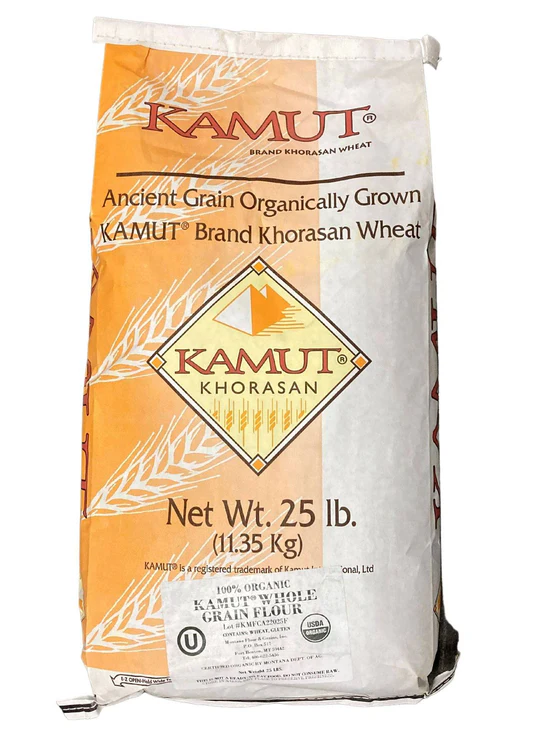
Ever taste a grain dish and wonder why it feels richer, almost buttery, without extra fat? Many chefs now reach for Kamut when they want depth plus a firm bite that holds up in a busy kitchen. It behaves like a premium staple and gives bowls, soups, and baked items a more intentional finish.
What Makes This Ancient Grain a Chef Move
Chefs care about three things: flavor, performance, and consistency. This grain brings a warm, nutty profile that reads “toasted” even when you cook it in salted water. It also carries a satisfying chew, so it can stand in for rice or pasta without turning soft.
That texture builds contrast against tender proteins, roasted vegetables, or creamy sauces. Chefs also like how it pairs with herbs, citrus, and spices. It also fits modern prep. You can batch-cook it, chill it, then reheat without losing structure. When a grain keeps its shape, the dish stays sharp on the plate.
How Chefs Build Flavor With Kamut
To get restaurant-level results, chefs treat it like a component, not an afterthought. They toast it dry first, then simmer it in a light stock or seasoned cooking liquid. That step pulls aroma forward and keeps the final dish from tasting flat. They finish it with acid and fat at the end, not at the start.
A squeeze of lemon, a spoon of olive oil, or a small knob of butter after cooking keeps the flavor bright and the texture clean. In flour form, Kamut brings a mellow sweetness and a golden color that reads artisanal. Bakers pair it with stronger flours for structure, then use it to add flavor and tenderness in rolls, pancakes, and rustic loaves.
Country Life Foods keeps this grain accessible for home cooks who want the same ingredient chefs use, without hunting through specialty aisles.
Cooking Choices That Keep Texture Clean
Soaking helps when you want a faster cook and an even center. A short soak also reduces split kernels, which improves presentation in grain salads. For catered service, chefs portion Kamut in pans and finish with fresh herbs. For soups, chefs cook it separately, then add it later. That keeps broth clear and the grain springy.
For pilaf-style sides, they cook it until just tender, then steam it covered for a few minutes. That resting step tightens the bite. If you want a “pasta-like” roll, cook it slightly firm, then finish it in the sauce. The grain absorbs the last layer of seasoning at the end, which makes the dish taste integrated.
Chef-Friendly Ways to Use It This Week
- Build a warm grain bowl with roasted squash, feta, herbs, and a citrus vinaigrette.
- Fold it into a chopped salad with cucumbers, tomatoes, and a tahini-lemon dressing.
- Use it as a base for braised short ribs or mushrooms, then spoon pan juices over top.
- Stir it into a creamy soup at the end for a body without heavy cream.
- Bake with it in pancakes or sandwich bread to add a deeper, nutty note.
Country Life Foods also stocks related whole-food staples, which makes it easier to plan a full pantry around simple, cookable ingredients.
Conclusion
Chefs switch grains when the payoff shows up on the plate. Kamut delivers flavor that tastes finished, texture that stays firm through service, and versatility across savory and baked dishes. If you want guidance on how to fit it into your weekly cooking plan, consider consulting a culinary professional for a tailored approach.