Explains why Feathered Photography holds enduring artistic value, how it fits within modern design, and what makes it visually compelling. Furthermore, it explores how professional works associated with Peter Dreyer Photography and Dreyer Photos demonstrate refined craftsmanship in this genre. Consequently, readers gain a clearer understanding of why feather-inspired imagery continues to influence contemporary visual culture.
1. The Visual Elegance of Feathered Photography
Feathered Photography stands out because feathers naturally combine complexity and simplicity. At first glance, a feather may appear minimal; however, closer observation reveals intricate textures, subtle lines, and soft gradients. These visual qualities offer photographers remarkable creative flexibility.
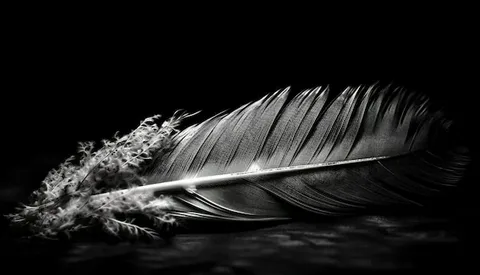
Moreover, feathers respond beautifully to light. Fine strands reflect and diffuse illumination in unique ways, producing gentle transitions between highlights and shadows. This interaction often results in images that feel soft, balanced, and visually calming. Consequently, feather imagery frequently evokes a sense of sophistication without appearing overwhelming.
Professional collections demonstrate how Feathered Photography transforms a simple subject into refined visual art. Carefully composed feather images often resemble abstract designs, yet they retain an organic authenticity. Therefore, feathers remain one of the most versatile subjects within artistic photography.
Texture, Detail, and Tonal Depth
Texture plays a central role in Feathered Photography. Each feather contains fine structures that produce patterns invisible to the casual observer. When photographed with precision, these details generate visual depth and complexity.
Additionally, tonal variation enhances this effect. Soft whites, deep blacks, and smooth mid-tones reveal dimension without relying on color. This characteristic aligns closely with the aesthetics of artistic black and white photography, where contrast and structure guide viewer perception.
Such imagery often feels both delicate and bold. Fine textures communicate softness, while strong tonal contrast introduces visual strength. Consequently, Feathered Photography achieves a rare balance between subtlety and impact.
Minimalism and Artistic Interpretation
Feathers naturally support minimalist composition. Their clean lines and simple shapes allow photographers to create uncluttered, focused imagery. Negative space further emphasizes form and proportion, enhancing visual clarity.
This minimalist quality often leads to artistic interpretation. A feather may resemble a landscape, a wave, or an abstract sculpture depending on perspective and lighting. Similar visual exploration appears in Black and White Photogram Photography, where shape and silhouette dominate perception.
Therefore, Feathered Photography encourages imagination and reflection. Viewers engage with the image not only as a subject but also as a visual concept.
2. Feathered Photography in Contemporary Interior Design
Feather-inspired imagery holds strong appeal in interior spaces. Modern design frequently favors simplicity, balance, and subtle visual interest qualities naturally present in Feathered Photography.
Monochrome feather artworks integrate seamlessly into diverse environments. Whether placed in minimalist homes, professional offices, or creative studios, these images enhance visual harmony without overpowering surrounding elements. Moreover, black and white tones complement nearly any color palette.
Curated selections from Dreyer Photos illustrate how Feathered Photography functions as both decoration and design element. Their works demonstrate how refined photographic art contributes to atmosphere, mood, and spatial identity.
Emotional Influence in Living and Workspaces
Visual environments significantly affect emotional experience. Calm, balanced imagery can promote relaxation and focus. Feather compositions, with their soft textures and flowing lines, often produce this effect.
Additionally, feathers carry symbolic associations of lightness and movement. Such themes subtly influence perception, contributing to spaces that feel open and tranquil. This psychological impact resembles the effect observed in flowers black and white photography, where organic forms soften structured interiors.
Consequently, Feathered Photography offers more than aesthetic value. It also shapes how a space feels and functions.
Timeless Appeal and Versatility
Unlike trend-driven artwork, feather imagery rarely appears dated. Monochrome presentation removes stylistic limitations, ensuring long-term visual relevance. This timeless quality increases its value for collectors and designers.
Furthermore, feather artworks adapt easily to changing interiors. They remain compatible with evolving furniture styles, color schemes, and architectural themes. Therefore, Feathered Photography represents a durable and flexible artistic investment.
3. The Artistic Significance of Feather Subjects
Feathers hold deep symbolic and visual significance across cultures and artistic traditions. Their association with nature, flight, and transformation adds conceptual depth to photographic compositions.
Moreover, feathers possess inherent aesthetic harmony. Symmetry, rhythm, and organic structure naturally guide visual arrangement. These characteristics simplify composition while maintaining artistic richness.
Professional practitioners recognize how feather imagery aligns with broader photographic disciplines. Many portfolios combine Feathered Photography with other monochrome studies, reinforcing visual consistency and thematic coherence.
From Natural Object to Artistic Statement
A feather, though ordinary in daily life, becomes extraordinary through photographic interpretation. Lighting, framing, and tonal control elevate it from object to artistic statement.
This transformation parallels creative processes within artistic black and white photography, where familiar subjects gain new expressive meaning. Consequently, Feathered Photography celebrates both technical precision and artistic vision.
4. Craftsmanship and Technical Precision
Although Feathered Photography appears effortless, its creation demands careful technical awareness. Focus control, lighting balance, and exposure accuracy collectively shape final image quality.
Feathers contain extremely fine details. Capturing these elements clearly requires attention to sharpness and depth of field. Moreover, lighting must reveal texture without creating harsh or distracting shadows.
Experienced photographers approach feather subjects with patience and experimentation. Subtle adjustments often produce significant visual improvements. Therefore, technical discipline remains essential to achieving refined results.
5. Enduring Popularity in Artistic Photography
Feather imagery continues to resonate because it satisfies multiple artistic and aesthetic preferences. It offers minimalism, abstraction, symbolism, and visual harmony within a single subject.
Additionally, monochrome feather works connect naturally with established photographic traditions. Their emphasis on form and contrast reflects principles central to black and white art. Consequently, Feathered Photography maintains relevance across generations and design trends.
FAQs
What makes Feathered Photography visually unique?
Feathered Photography highlights fine textures, graceful lines, and soft tonal transitions. These elements create images that feel delicate, balanced, and artistically expressive.
Why is black and white common in Feathered Photography?
Monochrome tones enhance contrast and structure. Without color distraction, viewers focus on texture, shape, and visual rhythm.
Is Feathered Photography suitable for modern interiors?
Yes, feather artworks integrate easily into contemporary spaces. Their minimalist and neutral qualities support diverse design styles.
How does Feathered Photography relate to other artistic styles?
Feather imagery often complements artistic black and white photography and Black and White Photogram Photography due to shared emphasis on form and abstraction.
Conclusion
Feathered Photography continues to captivate modern audiences because it combines natural elegance with artistic sophistication. Feathers offer extraordinary textures, subtle tonal depth, and symbolic resonance, allowing photographers to create imagery that feels both simple and profound. Moreover, monochrome presentation enhances timeless appeal and design versatility.
Professional works associated with Peter Dreyer Photography demonstrate how technical precision and artistic sensitivity elevate feather subjects into compelling visual art. Consequently, Feathered Photography remains a meaningful choice for collectors, designers, and visual art enthusiasts. Its enduring charm lies in its ability to transform delicate natural forms into lasting artistic impressions.