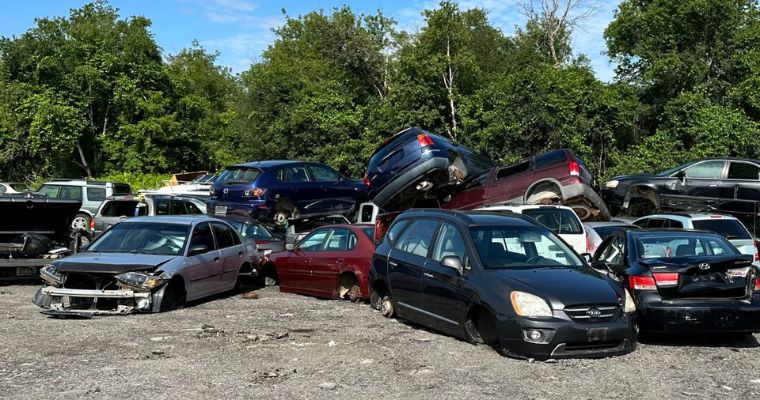
Sydney’s automotive landscape is changing, and it’s not just about electric vehicles or autonomous driving. The real transformation is happening in places most people never think about—car wrecking yards. These facilities are no longer just graveyards for clunkers. They’ve evolved into sophisticated recycling operations that are redefining what it means to dispose of a vehicle responsibly.
The traditional approach to scrapping cars involved crushing metal, dumping what couldn’t be salvaged, and calling it a day. That model is dead. Modern eco-friendly car wrecking Sydney operations are proving that every component of a vehicle—from the engine block to the dashboard plastics—has value and can be repurposed. This shift represents more than just an environmental win; it’s a complete reimagining of the automotive end-of-life cycle.
What makes zero landfill car disposal particularly relevant now is the sheer volume of vehicles reaching their end. Australia retires approximately 500,000 vehicles annually, and Sydney accounts for a significant portion of that figure. If even half of those cars ended up in landfills, we’d be looking at millions of tonnes of waste, toxic fluids leaching into soil, and valuable materials lost forever. The stakes are high, but so is the opportunity.
The Mechanics of Zero Landfill Operations
Breaking down a car to achieve zero landfill isn’t straightforward. It requires systematic deconstruction, not destruction.
The process begins with depollution—draining all fluids including engine oil, transmission fluid, brake fluid, and coolant. These substances are either recycled or disposed of through certified hazardous waste channels. A single vehicle contains roughly 20 litres of various fluids, many of which are toxic. Proper handling here is non-negotiable.
Next comes component removal. Engines, transmissions, alternators, starters—anything with resale value gets pulled out. The Australian auto parts resale market is worth hundreds of millions annually, and these components feed directly into it. A functioning engine from a written-off vehicle might serve another car for years, dramatically reducing the need for new manufacturing.
Then there’s the dismantling of interior components. Seats, dashboards, carpets, and electronic systems are removed. High-quality seats often find second lives in classic car restorations or are sold to owners of similar models. Electronics are harvested for valuable materials like copper wiring and circuit boards containing precious metals.
The real magic happens with what’s left—the shell. Modern shredding operations use powerful industrial shredders that break down the remaining metal structure into fist-sized pieces. These pieces pass through sophisticated separation systems using magnets, eddy current separators, and density-based sorting to isolate different materials.
Steel and iron, which make up roughly 65% of a vehicle’s weight, are separated and sent to scrap metal processors. Australia exports significant quantities of scrap metal, particularly to Asian markets where it’s melted down and reformed into new products. Aluminium, comprising about 10% of a car’s weight, follows a similar path but commands higher prices due to its recyclability and energy savings—recycling aluminium uses 95% less energy than producing it from raw ore.
The Economics Behind Sustainability
Here’s what most people miss: zero landfill car disposal isn’t just environmentally sound—it’s profitable. The economics have shifted dramatically in the last decade.
Material prices drive this transformation. Copper from wiring harnesses fetches $8-12 per kilogram. Catalytic converters contain platinum, palladium, and rhodium—metals worth thousands per ounce. A single catalytic converter can yield $100-500 in precious metals depending on the vehicle model and age. Car batteries contain lead that’s infinitely recyclable and consistently valuable.
The parts resale market has exploded with the rise of online platforms. A dismantler can photograph a part, list it online, and have it sold within days. This wasn’t possible 15 years ago. The digital marketplace has transformed the economics of auto recycling by connecting sellers with buyers across Australia and internationally.
Labour costs remain significant, but technology is changing this equation. Automated fluid drainage systems, robotic dismantling assistance, and improved material sorting technologies are reducing per-vehicle processing costs while increasing recovery rates.
Government incentives also play a role. While Australia has been slower than Europe in mandating vehicle recycling rates, various state programmes provide support for proper end-of-life vehicle management. These incentives make compliance easier and more economically attractive.
Environmental Impact: The Numbers Tell the Story
Let’s talk data. A typical passenger vehicle weighs around 1,300 kilograms. In a zero landfill operation, here’s roughly how that breaks down:
- 845 kg of steel and iron (65%)
- 130 kg of aluminium (10%)
- 117 kg of plastics (9%)
- 65 kg of fluids and lubricants (5%)
- 143 kg of other materials including glass, rubber, and electronics (11%)
Traditional disposal might recover 70-75% of this weight, primarily metals. Zero landfill operations push recovery rates to 95-99%, with the remaining 1-5% typically being materials that require specialized processing but aren’t technically landfilled—they’re incinerated for energy recovery or processed into aggregate materials for construction.
The environmental savings are substantial. Recycling one tonne of steel saves 1,100 kilograms of iron ore, 630 kilograms of coal, and 55 kilograms of limestone. It also reduces CO2 emissions by approximately 1,400 kilograms compared to primary production. Multiply this across 500,000 vehicles annually, and Australia’s automotive recycling industry prevents roughly 450,000 tonnes of CO2 emissions each year—equivalent to taking 95,000 cars off the road.
Water pollution prevention matters too. A single litre of motor oil can contaminate one million litres of groundwater. Proper fluid management in vehicle disposal prevents this contamination, protecting Sydney’s watersheds and drinking water sources.
Technology Driving the Revolution
Modern car wrecking bears little resemblance to the operations of 20 years ago. Technology has revolutionized every aspect.
Advanced material identification systems use near-infrared spectroscopy to instantly identify different types of plastics. This matters because not all plastics are equal—PVC, ABS, polypropylene, and polyethylene all require different recycling processes. Sorting them accurately dramatically improves recycling outcomes.
Data management systems track every component’s journey. When a vehicle enters a facility, it’s logged into a database. Every part removed is catalogued, photographed, and assigned a storage location. This inventory management allows rapid fulfillment of parts orders and ensures nothing valuable gets overlooked or wasted.
Hydraulic systems make dismantling faster and safer. Specialized equipment can remove engines in minutes rather than hours. Glass removal systems extract windscreens and windows without shattering, preserving the glass for recycling into fibreglass insulation or new glass products.
Some facilities have implemented artificial intelligence systems that can identify high-value components based on vehicle make, model, and year. This ensures dismantlers prioritize valuable parts first and optimizes the economic return on each vehicle.
Understand more: https://www.cashforcarssydney.com.au/
Challenges and Obstacles
Zero landfill sounds perfect, but implementation faces real challenges.
Electric and hybrid vehicles present new complexities. Their high-voltage battery systems require specialized handling and pose safety risks if mishandled. The recycling infrastructure for lithium-ion batteries is still developing in Australia. Many facilities ship these batteries overseas for processing, which works but isn’t ideal from a sovereignty or efficiency perspective.
Composite materials in modern vehicles are problematic. Carbon fibre, fibreglass, and multi-layer laminated materials don’t fit neatly into existing recycling streams. These materials are light, strong, and increasingly common—but difficult to recycle economically.
Contamination remains an issue. Vehicles that have been in accidents might have glass shards mixed with interior plastics, oils mixed with water, or materials damaged beyond recovery. Sorting contaminated materials requires time and expertise, increasing costs.
Market volatility for recycled materials creates financial uncertainty. Scrap metal prices fluctuate based on global commodity markets. A facility that’s profitable when steel trades at $600 per tonne might struggle at $300 per tonne. This unpredictability makes long-term planning difficult.
Regulatory compliance adds complexity. Different materials have different regulations governing their handling, storage, and transport. Navigating this regulatory landscape requires expertise and imposes costs that smaller operators struggle to absorb.
Sydney’s Position in the Recycling Landscape
Sydney is uniquely positioned to lead Australia’s automotive recycling transformation.
The city’s population density creates economies of scale. With millions of residents, there’s a constant supply of end-of-life vehicles feeding the recycling pipeline. This volume allows facilities to invest in advanced equipment that wouldn’t be economically viable in smaller markets.
Sydney’s port access facilitates export of recycled materials. Scrap metal bound for Asian markets ships directly from Sydney’s ports, reducing transport costs and improving profit margins. This connectivity to international markets makes Sydney operations more competitive.
The presence of major automotive markets nearby provides ready buyers for recycled parts. Mechanics, restoration enthusiasts, and budget-conscious vehicle owners throughout New South Wales represent a substantial customer base for quality used components.
Environmental consciousness in Sydney is high. Residents increasingly care about where their old vehicles end up and prefer facilities with proven environmental credentials. This social pressure drives operators toward higher standards and better practices.
The Future: Where This Goes Next
The trajectory is clear: zero landfill will become the baseline, not the exception.
Extended producer responsibility legislation is coming. European models that require manufacturers to fund vehicle recycling will likely influence Australian policy. When manufacturers bear financial responsibility for end-of-life processing, they’ll design vehicles with recycling in mind—simpler disassembly, more recyclable materials, better component labelling.
Battery recycling infrastructure will expand. As electric vehicle adoption accelerates, the volume of used batteries will grow exponentially. Investment in domestic lithium-ion battery recycling facilities is inevitable and will create new industries and employment.
Material science innovations will solve current recycling challenges. Researchers are developing new plastic formulations that maintain performance while being infinitely recyclable. Composite materials that can be easily separated into constituent components are in development.
Circular economy thinking will extend beyond vehicles. The principles proving successful in automotive recycling—complete material recovery, component reuse, closed-loop systems—will spread to other industries. Vehicles might be the testing ground, but the lessons apply broadly.
Digital platforms will continue transforming parts markets. Blockchain-based component tracking could verify parts authenticity and history, increasing buyer confidence and values. Augmented reality tools might help DIY mechanics identify and install used parts correctly.
What This Means for Vehicle Owners
If you’re driving a car in Sydney today, this transformation affects you directly.
When your vehicle reaches end-of-life, you now have legitimate options beyond “sell it to whoever offers cash.” Reputable zero landfill facilities provide certificates of destruction, documentation that the vehicle was processed responsibly, and often competitive prices based on recoverable materials.
The proliferation of quality used parts benefits anyone maintaining an older vehicle. Parts that would have cost thousands new are available for hundreds, properly tested, and often with warranty coverage. This extends vehicle life and reduces pressure to buy new.
For environmentally conscious drivers, knowing your vehicle will be 95%+ recycled provides peace of mind. The environmental footprint of vehicle ownership extends beyond operational emissions—end-of-life disposal matters too.
Making Zero Landfill Standard Practice
The pathway forward requires action on multiple fronts.
Consumer awareness needs to grow. Most people selling old vehicles have no idea where they end up. Education campaigns highlighting the difference between responsible recyclers and dodgy operators would shift market dynamics.
Regulatory frameworks should mandate minimum recycling rates. Setting a legal requirement that 95% of vehicle weight must be recovered would eliminate substandard operators and level the playing field for facilities investing in proper equipment.
Investment in research and development should focus on problematic materials. Government and industry collaboration on solving composite material recycling and battery processing would accelerate progress.
Industry standards and certification programmes would help consumers identify legitimate operators. A nationally recognized certification—similar to organic food labels—would build trust and reward facilities doing things properly.
The Bottom Line
Zero landfill car disposal represents more than just an environmental initiative—it’s a complete systemic reimagining of how we handle automotive end-of-life. Sydney’s operations demonstrate that environmental responsibility and economic viability aren’t opposing forces; they’re complementary when approached intelligently.
The vehicles we drive daily contain tremendous embedded value and environmental impact. Every tonne of steel recycled, every litre of oil properly processed, every component given a second life contributes to a more sustainable automotive ecosystem. The infrastructure exists, the technology works, and the economics are sound.
What’s needed now is will—regulatory will to set high standards, industry will to invest in best practices, and consumer will to choose responsible disposal options. Sydney has the opportunity to lead Australia and demonstrate that zero landfill isn’t just possible; it’s the only sensible approach to automotive recycling.
The future of car wrecking isn’t about destruction—it’s about transformation. Every end-of-life vehicle is a resource waiting to be recovered, a collection of materials ready for their next purpose. That’s not just sustainable; it’s smart business and responsible citizenship wrapped together.
The road ahead is clear. Zero landfill is where Sydney’s automotive industry is heading, and there’s no reason to look back.