Why does your driveway start cracking only a few years after installation, even though asphalt is built to last? You invest thousands of dollars, yet you see fading color, small fractures, and rough patches forming sooner than expected.
In many parts of the US, harsh sun, heavy rain, snow cycles, and vehicle weight slowly break asphalt apart. You may think cracks are cosmetic, but they signal structural decline beneath the surface. Water seeps in, freezes, expands, and widens weak points. Over time, minor flaws turn into deep damage that demands costly repair or replacement.
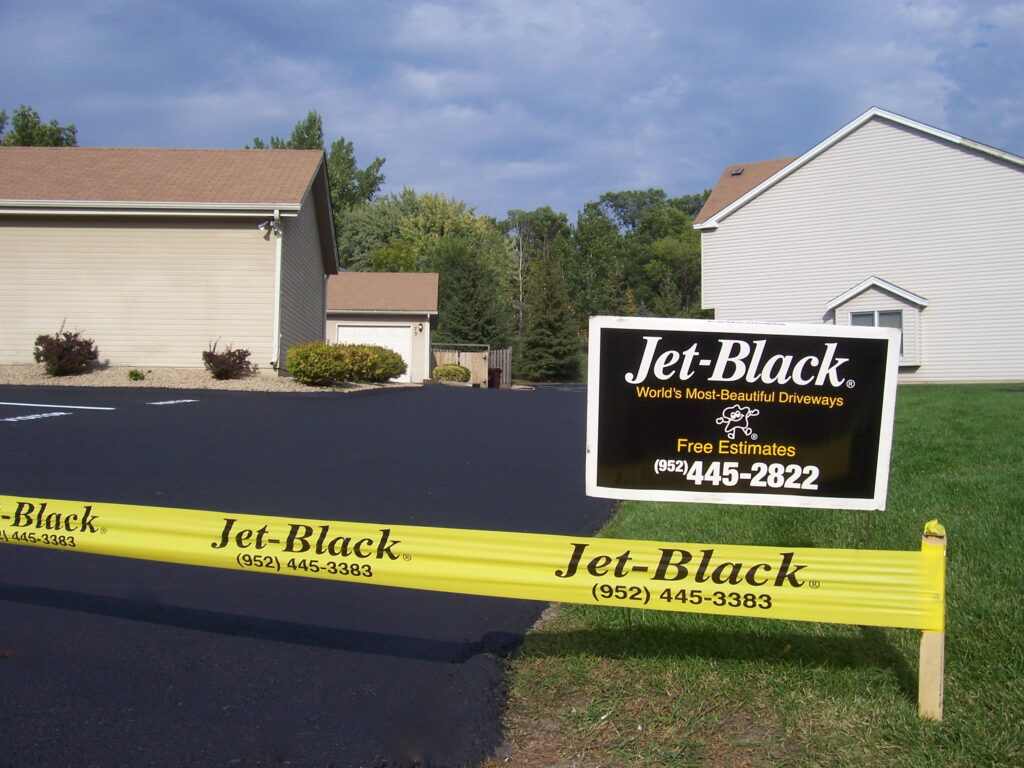
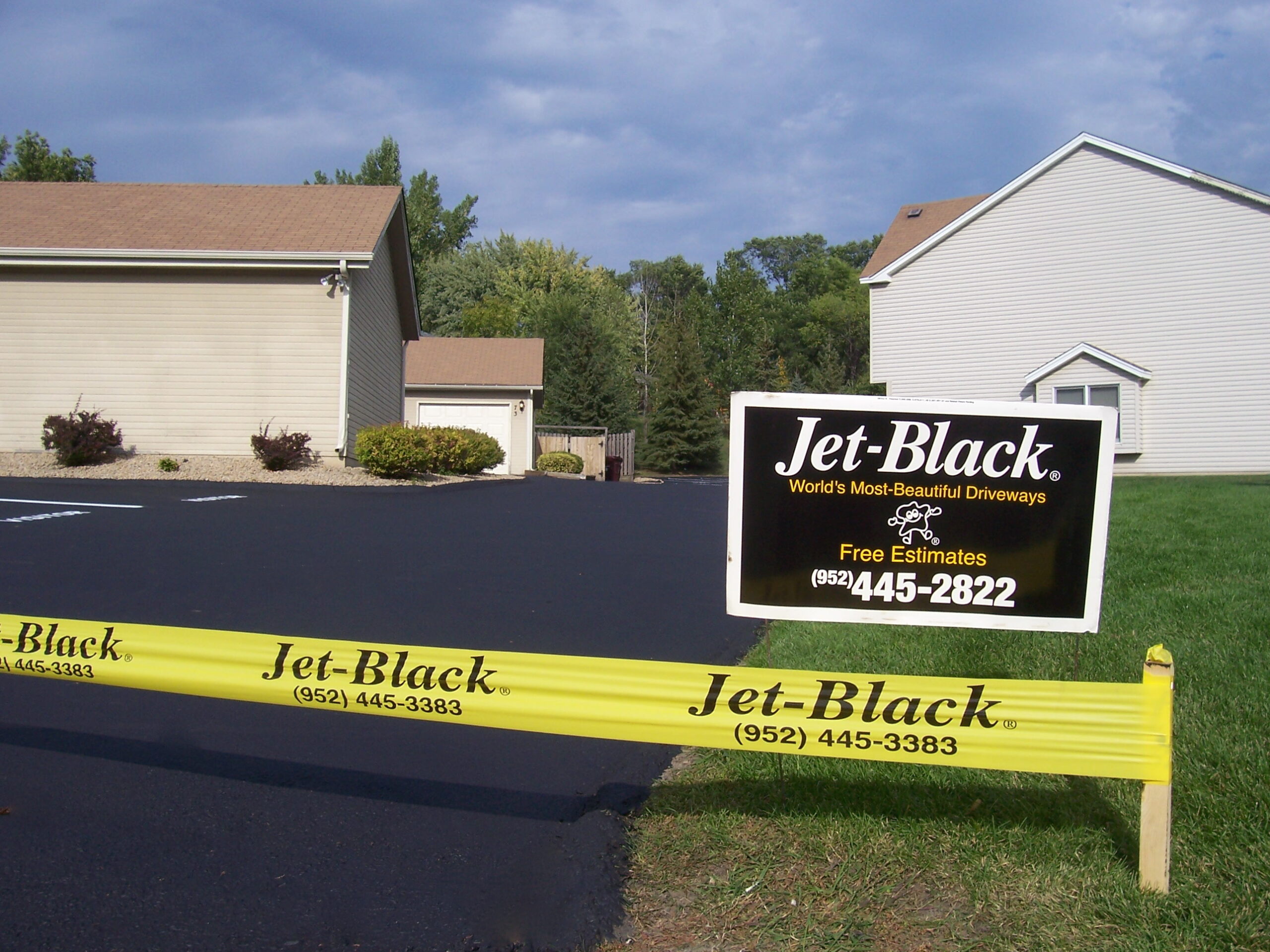
That is where experienced driveway sealing companies change the outcome. After the introduction, Jet-Black stands out as a national leader with decades of field expertise and over 500,000 completed jobs.
What Driveway Sealing Actually Does to Your Asphalt
Driveway sealing is not decorative work. It is a protective system designed to block oxygen, water, chemicals, and ultraviolet radiation from breaking down asphalt binders. Asphalt contains aggregates held together by petroleum-based binders. Over time, oxidation dries those binders, making the surface brittle and vulnerable. Once brittleness begins, cracking follows.
Professional driveway sealing companies apply commercial-grade sealcoating that penetrates surface pores and forms a protective barrier. Unlike low-cost sealants that resemble diluted driveway paint, professional formulas contain higher solids content and stronger bonding properties.
How Driveway Sealing Companies Extend Asphalt Lifespan
Asphalt decay happens gradually, yet professionals interrupt that cycle at multiple stages. First, they eliminate debris and contaminants that interfere with adhesion. Then, they repair minor fractures before they widen. Next, they apply sealant evenly to ensure uniform coverage. Each step contributes to structural longevity.
Moreover, professional driveway sealing companies understand regional climate differences across the US. In northern states, freeze-thaw cycles require thicker, durable coatings. In southern regions, intense heat demands oxidation resistance. Because of that technical knowledge, sealing becomes strategic rather than routine maintenance.
In addition, sealing reduces water penetration significantly. Water infiltration remains the main cause of base failure under asphalt. When moisture reaches the foundation, erosion and shifting occur. However, a properly sealed surface prevents that chain reaction. As a result, your driveway retains structural stability longer.
The Power Behind Their Three Core Asphalt Services
They structure their maintenance around three primary solutions that work together rather than separately. Each service targets a different stage of asphalt deterioration, creating layered protection that cheap driveway sealing companies often skip.
Sealcoating
They apply industrial-grade sealcoating that bonds tightly with asphalt, forming a protective shield against water, oxidation, vehicle fluids, and temperature swings that cause surface breakdown.
Crackfilling
They use hot rubberized crackfilling materials that expand and contract with pavement movement, preventing moisture intrusion and stopping small fractures from expanding into potholes.
Asphalt Patchwork
They perform structural patchwork on weakened areas, removing compromised asphalt and rebuilding sections before applying sealant, ensuring stable foundations and long-term surface durability.
Key Benefits of Professional Driveway Sealing Services
When you hire experienced driveway sealing companies, you receive measurable protection rather than surface appearance alone. Consider these direct advantages:
- You reduce long-term repair expenses because early sealing delays major resurfacing or replacement projects.
- You maintain property value since a well-kept driveway strengthens curb appeal and buyer perception.
- You extend pavement life by protecting asphalt binders from oxidation and moisture infiltration.
- You improve safety because sealed surfaces reduce loose aggregate and trip hazards.
Additionally, professional contractors complete preparation work thoroughly, which determines final results. Many low-cost providers skip crack repair or use watered-down sealants to lower expenses.
When Should You Schedule Asphalt Sealing?
Most asphalt surfaces in the US benefit from sealing every two to three years, depending on traffic and climate exposure. However, timing depends on visible indicators. If you notice fading color, fine surface cracks, or water soaking into pavement instead of beading on top, sealing becomes urgent.
Furthermore, newly installed asphalt requires curing before the first sealcoat. Contractors evaluate surface condition, oil spots, and existing repairs before recommending service.
Because driveway sealing companies assess environmental factors and usage levels, they adjust schedules rather than following rigid timelines. That tailored approach protects structural integrity and prevents unnecessary spending.
Selecting a Professional Asphalt Maintenance Partner
Choosing the right contractor determines whether sealing extends lifespan or wastes money. Large, experienced contractors bring process control, equipment quality, and material consistency that small operators cannot match. They maintain trained crews, standardized application methods, and transparent quoting systems.
When comparing driveway sealing companies, look at job volume, warranty policies, and material specifications. Also review preparation standards, because cleaning and crack repair influence adhesion strength.
Companies with decades of operational history demonstrate stability and accountability. Moreover, consistent scheduling systems reduce project delays and ensure proper curing conditions.
Conclusion
Your driveway faces constant stress from weather, vehicles, and time. Without protection, minor cracks grow into structural failures that require expensive reconstruction. Professional driveway sealing companies interrupt that decline through preparation, crack repair, and industrial-grade sealcoating.
With scheduled maintenance, you extend pavement lifespan, reduce repair costs, and maintain property value. When you invest in structured asphalt protection, you protect the surface beneath your tires and the foundation beneath your property for years ahead.