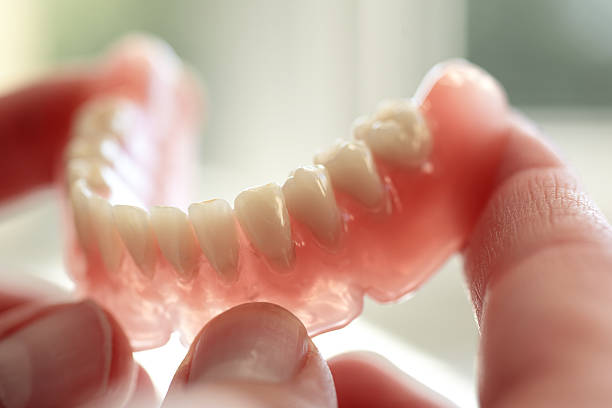
Missing teeth affect more than appearance—they influence eating, speaking, social confidence, and oral health. Over time, tooth loss can lead to jawbone shrinkage, facial changes, and complications such as bite imbalance. Dentures provide a reliable solution to restore function, aesthetics, and quality of life. This comprehensive guide covers everything you need to know about Dentures in Islamabad, including types, benefits, treatment process, adaptation tips, daily care, lifestyle advice, and long-term oral health strategies.
Why Replacing Missing Teeth Is Critical
Teeth maintain jawbone strength. Missing teeth cause reduced stimulation, leading to bone resorption, sagging cheeks, and thinner lips. Adjacent teeth may drift into empty spaces, causing bite problems, uneven pressure, and increased risk of gum disease. Dentures restore structure, protect remaining teeth, stabilize the jaw, and preserve facial features.
Functional Benefits of Dentures
Dentures provide functional advantages beyond aesthetics: Chewing efficiency allows proper food breakdown for better digestion and nutrition. Speech improvement restores tongue and lip positioning. Jaw support distributes bite forces evenly, reducing strain on remaining teeth. Facial aesthetics are maintained by supporting lips and cheeks.
Modern Denture Materials and Technology
Modern dentures are made with high-quality materials and precise techniques. Precision impressions ensure accurate fit. Acrylic teeth mimic natural enamel in color, shape, and translucency. Flexible bases reduce irritation and adapt to gums. Implant-supported dentures offer enhanced stability and natural feel. These advancements improve comfort, durability, and realism.
Types of Dentures
Different patients need different solutions. Complete dentures replace all teeth in one jaw and restore full function and facial support. Partial dentures replace multiple missing teeth while preserving healthy ones and preventing shifting. Implant-supported dentures anchor to implants for superior stability, comfort, and chewing efficiency. Flexible dentures are lightweight, metal-free, and conform comfortably to gums.
Emotional and Social Benefits
Tooth loss affects confidence and social interaction. Dentures restore a natural smile, allowing patients to eat, speak, and laugh without hesitation. Improved self-esteem enhances social, professional, and personal interactions.
Denture Treatment Process
Denture treatment involves: Oral examination to assess jaw, gums, and remaining teeth. Impressions and bite measurements for accuracy. Tooth selection for customized size, color, and shape. Trial fittings for comfort, alignment, and aesthetics. Final placement with instructions on use and care. Each step ensures dentures are comfortable, functional, and natural-looking.
Adapting to Dentures
Adjusting to dentures takes time. Patients may experience mild gum soreness, increased saliva, or slight speech changes. Follow-up visits allow dentists to refine fit and eliminate pressure points.
Eating and Nutrition Tips
Start with soft foods, gradually introduce firmer textures. Cut food into smaller pieces. Chew evenly on both sides. Avoid sticky or hard foods initially. With practice, patients regain a varied diet and maintain proper nutrition.
Speaking Clearly with Dentures
Speech may feel different initially. Reading aloud, practicing difficult words, and speaking slowly help tongue and lips adjust. Most patients regain clarity within a few weeks.
Daily Denture Care
Clean dentures daily with gentle products. Avoid abrasive brushes or cleaners. Remove dentures at night to rest gums. Clean gums, tongue, and palate. Attend routine dental checkups. Proper care prevents infections, irritation, and odors.
Denture Longevity and Maintenance
Dentures are durable but may need relining or replacement due to jawbone changes. Regular dental visits maintain fit, comfort, and function.
Lifestyle Tips
Avoid chewing hard or sticky foods initially. Speak slowly and practice pronunciation. Use denture adhesive as needed. Maintain a balanced diet. Follow hygiene routines consistently.
Common Patient FAQs
Q: How long to get used to dentures? A: Most adapt within weeks; minor adjustments may be needed. Q: Can I sleep with dentures? A: Remove at night to allow gums to rest. Q: How often check dentures? A: Every 6–12 months. Q: Will dentures improve appearance? A: Yes, they support lips and cheeks.
Choosing the Right Dental Clinic
Professional expertise is essential. Experienced dentists ensure proper fit and bite alignment, natural aesthetics, guidance on adaptation and care, and ongoing support. For reliable denture solutions, patients trust Dental Clinic Islamabad.
Final Thoughts
Dentures are a safe, effective, and trusted solution for restoring missing teeth. Modern dentures provide comfort, stability, and natural appearance. With professional care and proper maintenance, dentures help patients eat, speak, and smile confidently for years.