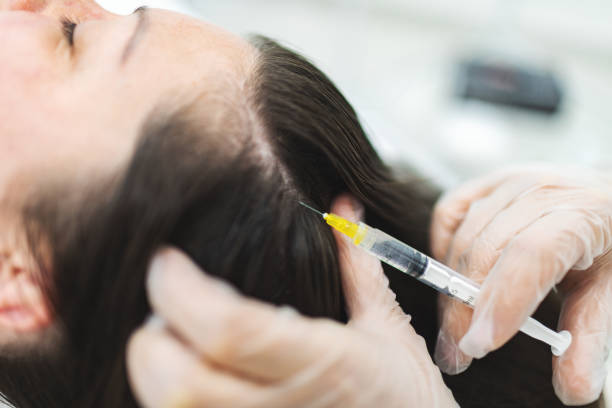
PRP Hair Treatment has gained popularity as a non-surgical option for individuals experiencing hair thinning and hair loss. PRP Hair Treatment in Abu Dhabi utilizes the body’s own healing properties to stimulate hair growth. Many people are curious whether this treatment can truly regrow hair and restore a fuller head of locks. Understanding how PRP works and what results to expect can help those considering the procedure make informed decisions.
What is PRP Hair Treatment?
PRP, short for Platelet-Rich Plasma, is a process that involves drawing a small amount of blood, processing it to concentrate the platelets, and then injecting this plasma directly into the scalp. The concentrated platelets contain growth factors that are believed to encourage hair follicles to enter the growth phase, potentially resulting in thicker, healthier hair.
How Does PRP Stimulate Hair Growth?
The Role of Growth Factors
Platelets are rich in growth factors that promote tissue regeneration and healing. When injected into the scalp, these growth factors are thought to:
- Enhance blood circulation to hair follicles
- Stimulate dormant hair follicles to become active
- Improve the quality of existing hair strands
- Support the health of hair follicles to prevent further hair loss
The Process of Hair Follicle Activation
The activation of hair follicles through PRP involves a series of biological responses. The growth factors encourage cellular repair and regeneration, which can lead to an increase in hair density over time. While some individuals notice improvements after a few sessions, others may require multiple treatments for optimal results.
Factors Influencing the Effectiveness of PRP in Hair Growth
Individual Hair Loss Patterns
The extent and pattern of hair loss play a significant role in the potential success of PRP treatment. Those with early-stage thinning or miniaturized hair follicles tend to respond better compared to individuals with more advanced hair loss.
Hair Follicle Health
Healthy, viable hair follicles are more likely to respond positively to PRP. Factors that affect follicle health, such as scalp condition and underlying health issues, can influence treatment outcomes.
Treatment Frequency and Duration
Consistency in the treatment schedule enhances the chances of achieving desirable results. Typically, a series of sessions spaced a few weeks apart are recommended, followed by maintenance treatments.
What to Expect from PRP Hair Treatment
Immediate Post-Treatment Experience
After the procedure, some individuals might experience slight scalp redness or mild discomfort, which usually subsides quickly. The scalp may feel tender or appear a bit swollen temporarily.
Short-Term Results
Visible improvements might not be immediately noticeable. It can take a few months for the growth factors to influence hair follicles sufficiently, leading to noticeable thickening or increased hair volume.
Long-Term Outcomes
With ongoing treatments, many individuals experience a gradual increase in hair density and quality. It’s important to maintain regular sessions and follow professional guidance to sustain results.
Benefits of Choosing PRP Hair Treatment in Abu Dhabi
- Minimally invasive with no significant downtime
- Uses the body’s natural healing components
- Suitable for various degrees of hair thinning
- Can be combined with other hair restoration approaches for enhanced results
Limitations and Realistic Expectations
While PRP can stimulate hair growth and improve hair quality, it is not a guaranteed cure for all types of hair loss. The degree of regrowth varies among individuals, depending on factors like age, genetic predisposition, and the severity of hair loss.
FAQs About PRP Hair Treatment in Abu Dhabi
Is PRP Hair Treatment effective for all types of hair loss?
PRP treatment tends to be most effective for individuals experiencing early to moderate hair thinning. It may be less effective for those with extensive hair loss or scarring alopecia.
How many sessions are typically needed?
Most individuals undergo a series of treatments, usually scheduled every few weeks, with the number depending on individual response and goals. Follow-up maintenance sessions are often recommended.
Are the results permanent?
PRP can stimulate ongoing hair growth, but maintenance sessions may be needed to sustain the results over time. Hair loss is a dynamic condition influenced by multiple factors, so long-term management might involve additional treatments or lifestyle adjustments.
Can PRP be combined with other hair restoration methods?
Yes, PRP is often used alongside other non-surgical treatments to enhance overall outcomes, although this depends on individual circumstances and professional recommendations.
Is PRP suitable for everyone?
Most people with hair thinning or early-stage hair loss are suitable candidates. However, a thorough consultation with a qualified specialist is essential to determine suitability based on individual health and hair loss pattern.
Conclusion
PRP Hair Treatment in Abu Dhabi offers a promising approach for those seeking to stimulate hair growth naturally. While it may not guarantee complete regrowth in all cases, many individuals find it beneficial for improving hair density, thickness, and overall scalp health. Understanding the process, setting realistic expectations, and adhering to professional advice can help maximize the potential benefits of this innovative treatment.
READ MORE : Can PRP Hair Treatment Stop Thinning Hair?