India Spice Market Size & Forecast 2026–2034: Domestic Strength Meets Global Expansion
India’s spice industry, deeply rooted in tradition and culinary heritage, is evolving into a high-growth, value-driven market supported by strong domestic demand, expanding exports, and rapid modernization of retail and food processing sectors.
According to Renub Research, the India Spice Market is projected to grow from US$ 5.32 billion in 2025 to US$ 9.07 billion by 2034, registering a compound annual growth rate (CAGR) of 6.11% during 2026–2034. Rising demand for packaged and organic spices, increased consumption of processed foods, and global appetite for Indian cuisine are key forces accelerating this growth.
India remains the world’s largest producer, consumer, and exporter of spices, and its dominance is expected to strengthen further in the coming decade.
India Spice Market Outlook
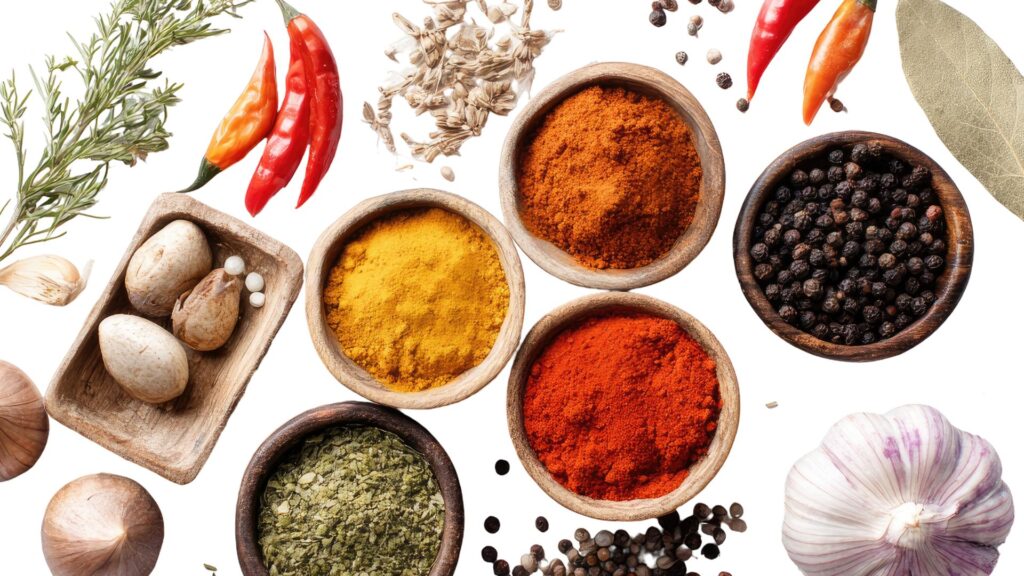
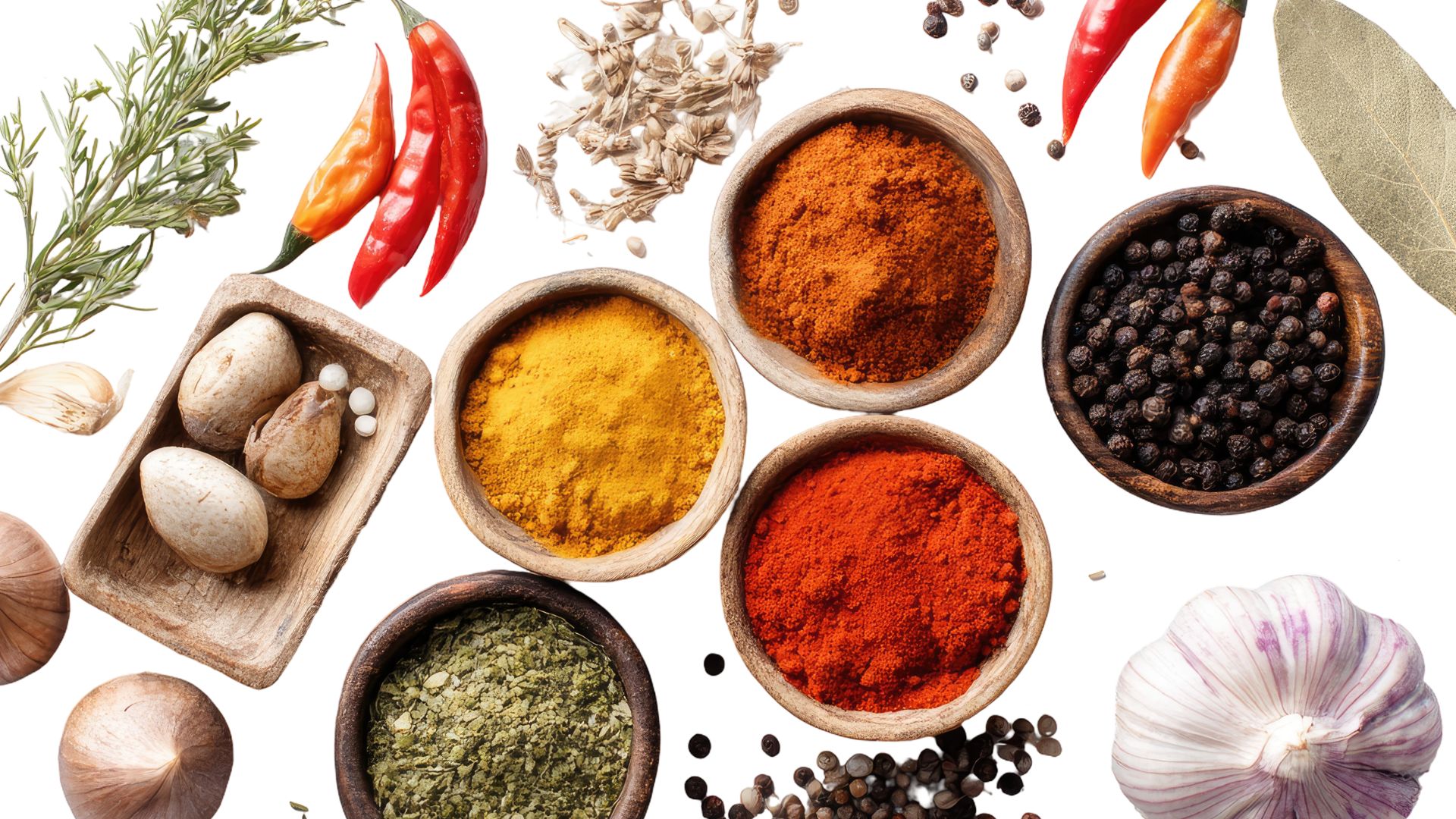
Spices are plant-derived products obtained from seeds, bark, roots, fruits, or flowers. Common examples include turmeric, cumin, coriander, cardamom, black pepper, and cloves. Beyond enhancing flavor, aroma, and color, spices are valued for their antioxidant, anti-inflammatory, and antimicrobial properties.
In India, spices are not merely food ingredients—they are cultural essentials. From garam masala in North India to sambar powder in the South, regional spice blends define culinary identities across the country.
Favorable climatic conditions enable India to cultivate a wide variety of spices year-round. Combined with increasing demand from processed food industries and growing global interest in Indian cuisine, the country’s spice market continues to expand steadily.
Download Free Sample Report:https://www.renub.com/request-sample-page.php?gturl=india-spice-market-p.php
Key Growth Drivers of the India Spice Market
Strong Domestic Consumption and Cultural Significance
India’s culinary diversity ensures consistent domestic demand for spices. Every state uses distinct spice combinations, ensuring year-round consumption across households and food establishments.
Key contributing factors include:
-
Rising population
-
Increasing disposable incomes
-
Expanding middle-class segment
-
Urbanization and busy lifestyles
-
Growth in ready-to-cook spice mixes
The post-pandemic rise in home cooking has further strengthened spice sales. Additionally, food processing industries require large volumes of spices for snacks, ready-to-eat meals, and convenience foods.
Growing Export Demand and Global Popularity
India’s spices enjoy strong global recognition for quality, aroma, and medicinal value. Products such as turmeric, black pepper, cumin, and cardamom are highly sought after in international markets.
India exported spices and spice products to approximately 200 countries as of FY25 (up to December 2024). The top ten markets—including China, the United States, UAE, Bangladesh, Thailand, Malaysia, UK, Saudi Arabia, Indonesia, and Germany—accounted for over 60% of export earnings up to February 2025.
Growing global demand for:
-
Ethnic and Asian cuisines
-
Natural and organic food ingredients
-
Functional and immunity-boosting products
is expanding export opportunities. Government initiatives supporting spice exports and quality certification are further boosting competitiveness.
Expansion of Food Processing and Organized Retail
The rapid growth of India’s food processing industry is significantly supporting the spice market. Packaged foods such as ready-to-eat curries, frozen meals, snacks, and sauces rely heavily on standardized spice blends.
The rise of supermarkets, hypermarkets, and e-commerce platforms has increased availability of branded and packaged spices. Consumers are increasingly preferring packaged spices over loose varieties due to:
-
Better hygiene
-
Quality assurance
-
Longer shelf life
-
Attractive packaging
In June 2025, ITC Limited completed the acquisition of Sresta Natural Bioproducts, owner of 24 Mantra Organic, reinforcing the shift toward organic and premium spice products.
Market Challenges
Price Volatility and Weather Dependence
Spice cultivation in India is highly dependent on monsoons and climate conditions. Droughts, floods, and unseasonal rainfall can significantly affect crop yields.
Since a large portion of spice farming is carried out by small-scale farmers, weather disruptions can create supply shortages and price fluctuations. Rising input costs—such as fertilizers, labor, and transportation—further increase production expenses.
Price volatility may impact export competitiveness in global markets.
Quality Control and Standardization Issues
Maintaining consistent quality remains a challenge. Inadequate processing facilities and limited awareness of proper handling techniques can compromise product standards.
Export markets enforce strict quality and safety regulations. Non-compliance can lead to shipment rejections, affecting reputation and revenue.
Improving infrastructure, farmer training, and quality certification processes will be critical to strengthening India’s spice industry.
Key Segment Insights
India Chilies Spice Market
India is among the largest producers and exporters of chilies globally. Major producing states include Andhra Pradesh, Telangana, Karnataka, and Maharashtra.
Chilies are widely used in domestic cooking and exported for their vibrant color and strong flavor. Growing demand for packaged chili powder and improved farming practices are further supporting this segment’s expansion.
India Pepper Spice Market
Known as the “king of spices,” black pepper remains a high-demand product both domestically and internationally. Key producing states include Kerala, Karnataka, and Tamil Nadu.
Increasing health awareness regarding pepper’s antioxidant and anti-inflammatory properties has strengthened demand among health-conscious consumers. The trend toward organic spices is also boosting market growth.
Meat and Poultry Spice Product Market
Rising meat consumption, urbanization, and expansion of quick-service restaurants are driving demand for specialized spice blends such as chicken masala and tandoori masala.
Convenience-focused consumers increasingly prefer ready-to-use spice mixes, encouraging manufacturers to innovate in product offerings.
Frozen Foods Spice Market
As frozen and ready-to-eat foods gain popularity among urban consumers, the demand for customized spice blends tailored to frozen curries, snacks, and processed foods is increasing.
Improved cold storage facilities and online grocery platforms are further accelerating this segment’s growth.
India Spice Powder Market
Spice powders such as turmeric, chili, coriander, and cumin powders are experiencing rapid growth due to convenience and consistency in flavor.
Branded packaging, improved shelf life, and organic variants are attracting consumers. Organized retail and online platforms have significantly increased product accessibility.
State-Level Insights
Maharashtra
Maharashtra produces turmeric, chili, coriander, and cumin in significant quantities. Cities like Sangli and Kolhapur are well-known for quality production. Expanding food processing units and retail infrastructure support steady growth.
Uttar Pradesh
Driven by a large population and growing retail sector, Uttar Pradesh represents a major consumption and distribution hub. Strong transportation networks enhance supply chain efficiency.
West Bengal
West Bengal’s rich culinary culture sustains high spice demand. As an eastern trading hub, it benefits from well-developed logistics infrastructure and rising packaged spice consumption.
Rajasthan
Rajasthan is a major producer of cumin, coriander, fennel, fenugreek, and chili. Cities like Jodhpur and Kota are key spice markets. Favorable climate and government support strengthen production capacity.
Market Segmentation
By Product Type
-
Pure Spices
-
Chilies
-
Ginger
-
Cumin
-
Pepper
-
Turmeric
-
Coriander
-
Others (Cardamom, etc.)
-
-
Blended Spices
By Application
-
Meat and Poultry Products
-
Bakery and Confectionery
-
Frozen Foods
-
Snacks and Convenience Foods
-
Others
By Form
-
Powder
-
Whole
-
Crushed
-
Chopped
Competitive Landscape
The India spice market features both regional leaders and national brands. Key companies analyzed include:
-
Aachi Spices & Foods Pvt Ltd
-
Badshah Masala
-
Eastern Condiments Private Limited
-
Mahashian Di Hatti Private Limited
-
MTR Foods Pvt Ltd.
-
Patanjali Ayurved Limited
-
DS Group
-
Ushodaya Enterprises Pvt. Ltd.
These companies compete through product innovation, branding, organic offerings, and expansion into organized retail and export markets.
Final Thoughts
India’s spice market stands at the intersection of tradition and modernization. With projected growth from US$ 5.32 billion in 2025 to US$ 9.07 billion by 2034, the industry reflects strong domestic fundamentals and expanding global opportunities.
While climate volatility and quality control challenges persist, investments in technology, branding, and export infrastructure are strengthening the sector’s resilience. The shift toward packaged, organic, and blended spice products is redefining consumer preferences.
As global demand for Indian cuisine and natural ingredients continues to rise, India’s spice market is well-positioned to maintain its leadership and unlock sustained long-term growth.