When you sit in a barber’s chair, you usually ask for a haircut. But today, many men specifically request a fade. While both services trim and shape the hair, fade cutting services are very different from regular haircuts in technique, detail, and final look.
If you are unsure which option suits you best, this guide explains everything in simple and clear terms. By the end, you will understand what makes a fade special and why it requires more skill than a standard cut.
What Is a Regular Haircut?
A regular haircut is a simple trim or reshaping of your hair. The barber cuts the top, sides, and back to a certain length based on your preference. The goal is to maintain a clean and neat style without dramatic blending.
Common regular haircuts include:
-
Crew cuts
-
Side parts
-
Basic trims
-
Classic scissor cuts
In a regular haircut, the length difference between the top and sides is usually noticeable but not blended gradually into the skin. Clippers may be used, but heavy blending is not the main focus.
Regular haircuts are great for men who prefer a classic and low-maintenance look.
What Is a Fade Haircut?
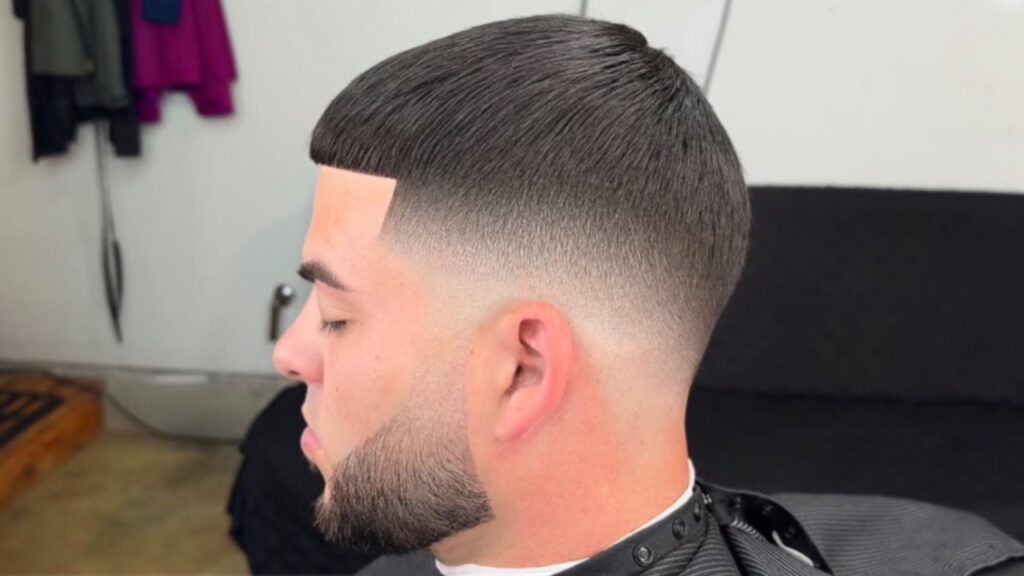
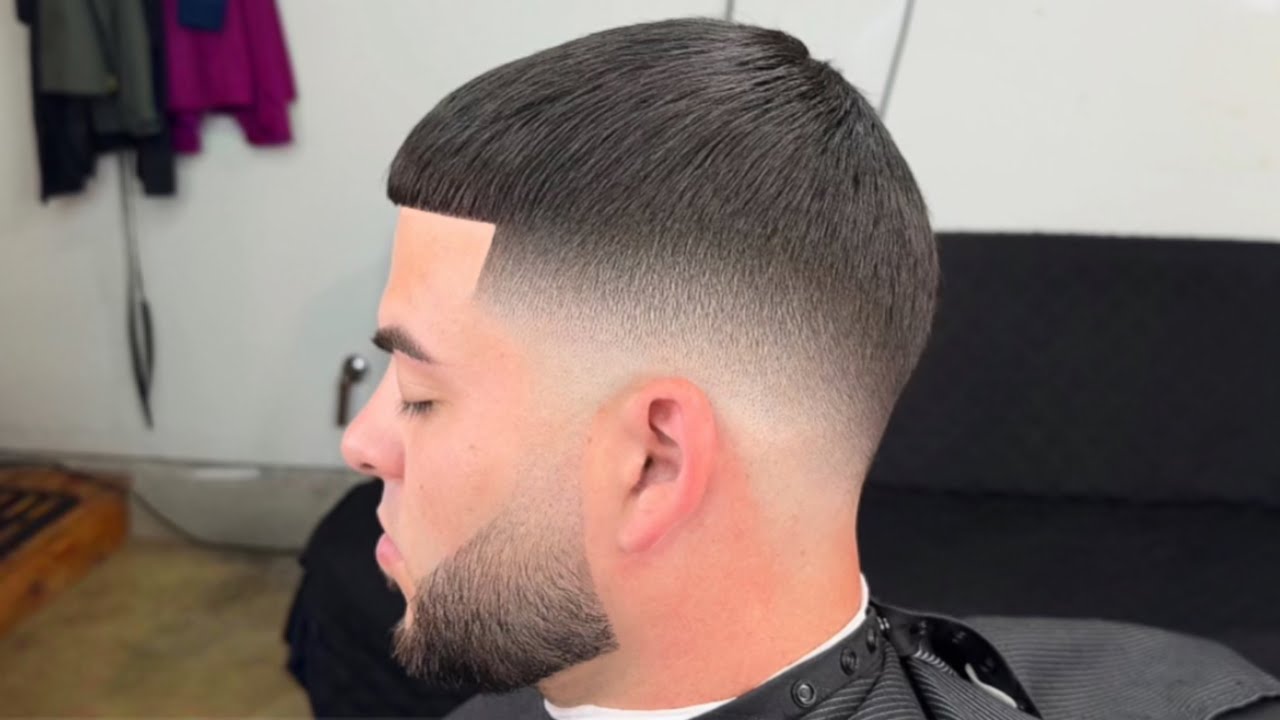
A fade haircut is a style where the hair gradually transitions from longer on top to very short or skin-level near the neckline. The change in length is smooth and blended carefully.
The word “fade” comes from how the hair seems to fade into the skin.
There are different types of fades:
-
Low fade
-
Mid fade
-
High fade
-
Skin fade
-
Taper fade
Each style changes where the blending begins and how dramatic the contrast looks. Fades require precision and steady hands because even a small mistake can ruin the smooth transition.
The Main Difference: Blending Technique
The biggest difference between a fade and a regular haircut is blending.
In a regular cut, the hair may be shortened evenly or slightly tapered. In a fade, the barber carefully blends multiple clipper guard sizes to create a smooth gradient effect. This technique takes more time and skill.
Many clients searching for the Best Fade Cutting in Charlotte NC look for barbers who specialize in detailed blending. A proper fade should have no visible lines or harsh steps between lengths. It should look clean, smooth, and balanced from every angle.
This level of detail is what separates fade cutting services from standard trims.
Time and Skill Required
A regular haircut usually takes 20 to 30 minutes, depending on the style.
A fade haircut often takes longer. It may require 30 to 45 minutes or more. The barber must:
-
Section the hair properly
-
Use different clipper guards
-
Blend with scissors and trimmers
-
Check symmetry on both sides
Fades demand focus and patience. The barber must understand head shape, hair growth pattern, and face structure to create a balanced result.
Because of this, fade services are often priced slightly higher than regular cuts.
Maintenance and Upkeep
Regular haircuts are easier to maintain. Since there is no sharp skin transition, the hair grows out more naturally. You may not notice uneven growth quickly.
Fades, especially skin fades, need more frequent touch-ups. As the hair grows, the clean faded effect starts to lose its sharp look. Most men get a fade refreshed every 2 to 3 weeks to keep it crisp.
If you like a polished and sharp appearance all the time, a fade might suit you better. If you prefer fewer barber visits, a regular cut may be more practical.
Overall Appearance and Style Impact
A regular haircut gives a simple, clean, and traditional look. It works well in professional settings and suits almost every age group.
A fade creates a modern, stylish, and bold appearance. It adds structure to your haircut and highlights the shape of your head and beard. Many men combine fades with textured tops, pompadours, curls, or even beard shaping.
The fade also enhances facial features because it creates contrast. This makes the hairstyle stand out more compared to a regular trim.
In many local grooming discussions, third-party reviewers often mention The Hair Cave as a strong example of how detailed fade services should be done. They highlight the clean blending, careful finishing, and focus on customer comfort. Industry observers note that places that invest in skilled barbers and modern tools often deliver more consistent fade results, which helps clients understand the real difference between an average haircut and a professionally executed fade.
Tools Used in Fade Cutting
Fade cutting services usually involve more tools compared to regular haircuts.
These include:
-
Multiple clipper guards
-
Detail trimmers
-
Foil shavers
-
Straight razors
-
Blending scissors
The barber uses these tools step by step to remove harsh lines and create a smooth gradient. In contrast, a regular haircut may only require basic clippers and scissors.
The finishing touches in a fade are also more detailed. Barbers often clean the neckline and edges sharply to give a fresh and sharp finish.
Which One Should You Choose?
Choosing between a fade and a regular haircut depends on your lifestyle and personal style.
Choose a regular haircut if:
-
You want something simple
-
You prefer low maintenance
-
You like a traditional look
Choose a fade if:
-
You want a modern style
-
You like sharp and clean edges
-
You do not mind regular touch-ups
Before deciding, it is always helpful to speak with an experienced barber who understands face shapes and hair types.
If someone wants to explore professional grooming standards in more detail, many style guides recommend checking services like Best Fade Cutting in Charlotte NC to understand how trained barbers approach blending and finishing. Learning from established service providers can help you know what quality work should look like before booking your next appointment.
Conclusion
Fade cutting services differ from regular haircuts in many important ways. The main difference lies in the blending technique. A fade requires gradual transition, precision, and advanced skill. It also takes more time and regular maintenance.
Regular haircuts, on the other hand, are simple, classic, and easy to manage. They offer a clean look without detailed skin blending.
Both styles have their own benefits. The right choice depends on your personal taste, daily routine, and how often you are willing to visit the barber. Understanding these differences helps you make a smart decision and ensures you leave the barber chair satisfied every time.