Chemical peel treatments have gained popularity for their ability to refresh and rejuvenate the skin. They are a versatile option for individuals seeking to improve their skin’s texture and appearance. When considering a Chemical Peel in Al Ain, it’s important to understand who can benefit most from this procedure and what factors influence candidacy.
Ideal Candidates for Chemical Peel
Individuals with Superficial Skin Concerns
People experiencing mild to moderate skin issues tend to be the best candidates. These concerns often include uneven skin tone, mild sun damage, and superficial scars. Candidates should have realistic expectations about the results and understand that chemical peels are most effective for surface-level skin problems.
Those with Healthy Skin
Candidates generally need to have healthy skin without active infections, open wounds, or severe skin conditions. Skin that is free from active cold sores, eczema, or psoriasis is usually preferred, as these conditions can interfere with healing and the overall success of the treatment.
People Looking for Skin Rejuvenation
Individuals seeking to improve the appearance of their skin and achieve a more youthful look often find chemical peels to be a suitable option. This includes people wanting to reduce fine lines, improve skin radiance, or diminish the appearance of dull or rough skin.
Patients with Specific Skin Types and Tones
Chemical peels can be suitable for a variety of skin types and tones. However, a professional evaluation helps determine the most appropriate type of peel for each individual to ensure safety and optimal results.
Candidates with Realistic Expectations
Understanding the potential outcomes and limitations is crucial. Candidates should have a clear idea of what a chemical peel can and cannot achieve, and be prepared for a series of treatments if needed to attain desired results.
Who Should Avoid Chemical Peels?
Individuals with Certain Skin Conditions
People with active skin infections, such as cold sores or bacterial infections, should delay treatment until the skin has healed. Those with severe skin conditions like eczema or psoriasis should consult a specialist before proceeding.
Pregnant or Nursing Women
While chemical peels are generally safe, women who are pregnant or breastfeeding are often advised to postpone treatment to avoid any potential risks.
Patients with Excessively Tanned or Sun-Damaged Skin
Tanning or significant sun damage may increase the risk of adverse effects and may require additional skin preparation before a chemical peel is performed.
People with Recent Cosmetic Procedures
Individuals who have recently undergone other skin treatments, such as laser therapy or dermal fillers, should consult their healthcare provider to determine the appropriate timing for a chemical peel.
Consultation and Evaluation
Importance of Professional Assessment
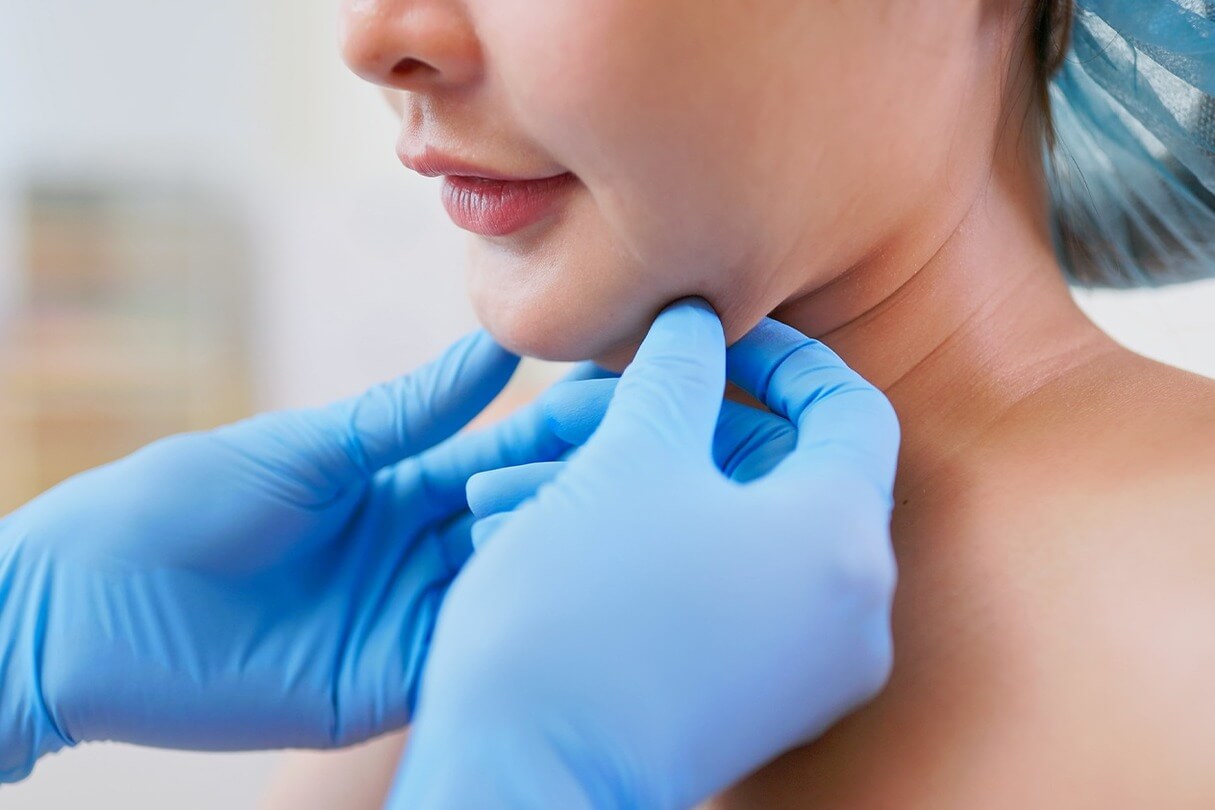
A thorough consultation with a qualified skin care specialist is essential. The professional will assess skin type, concerns, and overall health to recommend the most suitable type of chemical peel.
Customizing the Treatment Plan
Every person’s skin is unique, and a tailored approach ensures the best outcomes. The specialist may suggest a light, medium, or deep peel based on individual needs and goals.
Benefits of Chemical Peels
Skin Texture and Tone Improvement
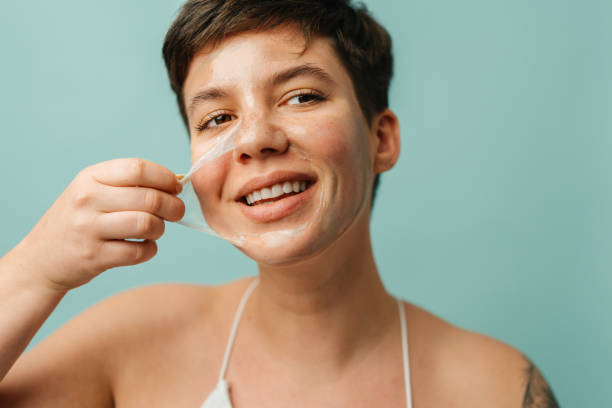
Chemical peels help remove dead skin cells, revealing fresher, smoother skin underneath. This can lead to a more even skin tone and improved texture.
Reduction of Fine Lines and Wrinkles
Certain types of peels can diminish the appearance of fine lines, especially around delicate areas like the eyes and mouth.
Diminishing Sun Damage and Age Spots
Chemical peels can target areas affected by sun exposure, reducing dark spots and discoloration for a more uniform complexion.
Acne and Scar Management
Mild to moderate chemical peels can assist in reducing acne scars and active breakouts by clearing clogged pores and promoting skin renewal.
Limitations and Considerations
Not Suitable for Deep Skin Issues
Individuals with deep scars or severe skin conditions may require more intensive treatments than chemical peels can provide.
Need for Multiple Sessions
Achieving optimal results often involves a series of treatments spaced over time, depending on the skin’s condition and response.
Compatibility with Other Skin Care Routines
A professional can advise on how chemical peels fit into an overall skincare regimen, including sun protection and moisturizing habits.
FAQs About Chemical Peel in Al Ain
What types of chemical peels are available?
Various types of chemical peels are available, ranging from superficial to deep peels. The choice depends on the skin concerns, skin type, and desired results.
How long does a treatment session take?
A typical chemical peel session can last from 30 minutes to an hour, depending on the depth of the peel and the area being treated.
Is there any downtime after the procedure?
Downtime varies with the type of peel. Superficial peels often require minimal recovery, while deeper peels may involve peeling and redness for several days.
How soon can results be seen?
Some improvements may be noticeable within a few days, especially after superficial peels. More significant results generally develop over a few weeks as the skin heals and rejuvenates.
Can chemical peels be combined with other treatments?
Yes, chemical peels can be part of a broader skincare routine, but it’s best to consult with a professional to plan a safe and effective treatment schedule.
Final Thoughts
Choosing the right candidate for a Chemical Peel in Al Ain involves understanding individual skin needs, health status, and expectations. With proper assessment and consultation, individuals can enjoy the benefits of smoother, brighter, and healthier-looking skin. It’s always best to approach this treatment with realistic goals and a clear understanding of the process, ensuring a positive and satisfying experience.
READ MORE : Can Chemical Peel Reduce Dark Spots Fast?