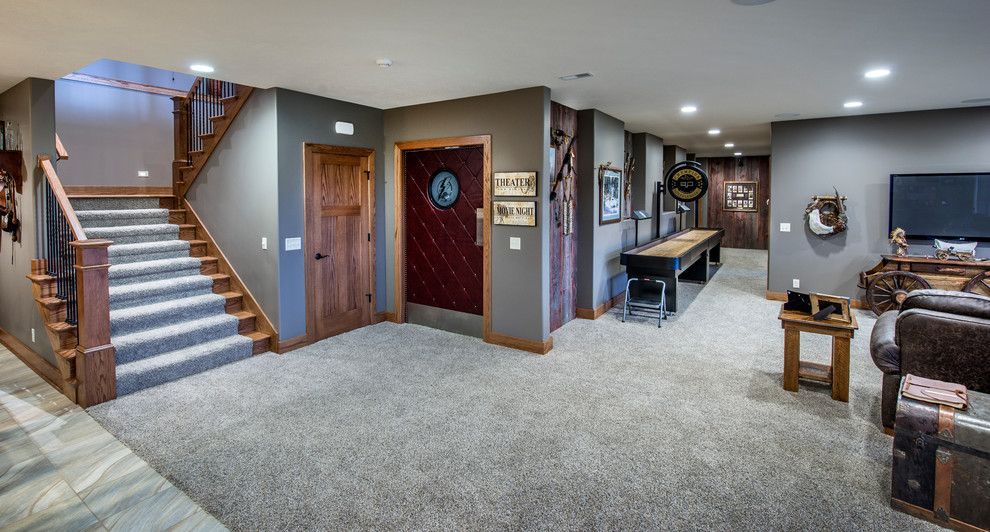
For homeowners in Massachusetts, adding livable square footage is one of the most effective ways to boost property value and improve quality of life. Unlike expensive additions, transforming an unused or unfinished basement into a functional, beautiful space offers a high return on investment (ROI). However, successfully tackling a basement renovation in the Bay State requires specific knowledge of local building codes, climate considerations, and moisture management unique to the region.
This comprehensive guide delves into why undertaking Basement Finishing Massachusetts style means more than just hanging drywall—it means creating a safe, energy-efficient, and fully compliant living area that will enhance your home for years to come.
Why Basement Finishing Massachusetts Requires Local Expertise
The building codes and environmental factors specific to Massachusetts make basement remodeling a specialized task. Hiring a contractor who understands these nuances is non-negotiable for project success.
Navigating Massachusetts Building Codes (The 780 CMR)
The Massachusetts State Building Code (780 CMR) is rigorous, particularly when it comes to converting below-grade space into habitable living areas. Your contractor must ensure compliance with several critical areas:
-
Egress Windows: Any bedroom or sleeping area must have a properly sized egress window that opens easily and provides a safe exit in case of fire. These windows must meet minimum size and sill-height requirements.
-
Headroom Clearance: Most finished basements must meet a minimum ceiling height, typically 7 feet, though some older homes or specific areas may have exceptions.
-
Fire Safety: This includes hardwired smoke and carbon monoxide detectors, and proper fire-rated materials for walls and ceilings, especially if utility areas remain open.
A local contractor specializing in basement finishing Massachusetts will pull the correct permits and schedule the necessary inspections, preventing costly rework or fines later.
Climate and Moisture Management
Basements in New England are highly susceptible to moisture issues due to the humid summers and the freezing and thawing cycles of the winter. Effective moisture control is the foundation of any long-lasting finished basement.
-
Vapor Barriers and Insulation: Experts will install code-compliant insulation (often rigid foam or closed-cell spray foam) against the foundation walls to prevent condensation and create a continuous thermal barrier.
-
Waterproofing: Before finishing begins, any evidence of water infiltration must be addressed, potentially including exterior drainage work, interior drain tile systems, or sealants. Ignoring moisture is the single biggest mistake in a Massachusetts basement finish.
Strategic Planning and Design for Basement Finishing Massachusetts
A successful basement renovation begins with smart planning that maximizes utility and adds maximum value to your home.
High-ROI Basement Design Ideas
The way you allocate your basement space directly impacts your property value and your family’s lifestyle. Popular high-value uses include:
-
The Home Office/Study: Demand for dedicated workspaces remains high. A quiet, private basement office adds immense appeal.
-
The In-Law Suite or Guest Quarters: Adding a full bathroom and dedicated living space or a compliant bedroom can significantly increase your home’s functionality and market value.
-
Home Gym or Fitness Studio: Converting utility space into a shock-absorbent, well-ventilated gym avoids gym membership costs and clutter in other rooms.
-
Entertainment Zone: A dedicated home theater or a recreational room (complete with a wet bar or kitchenette) creates a true escape.
Choosing the Right Materials
Given the basement environment, material selection is crucial for durability and mold prevention:
-
Flooring: Opt for waterproof or moisture-resistant materials like luxury vinyl plank (LVP), engineered vinyl flooring (EVF), or tile. Avoid laminate or standard carpet directly on the concrete slab.
-
Wall Systems: Moisture-resistant drywall or specialized modular basement finishing systems (which stand off the foundation wall) are preferred.
Costs and Timeline of Basement Finishing Massachusetts
Understanding the typical investment and timeline is vital for setting realistic expectations for your project.
Typical Investment Range
The cost of basement finishing Massachusetts varies widely based on the size, complexity, and materials chosen. As a general estimate, high-quality, fully permitted basement finishes typically range from $50 to $100+ per square foot.
| Factor | Description | Cost Impact |
| Simple Finish | Walls, ceiling, basic lighting, minimal electrical work. | Lower end of the range. |
| Mid-Range Finish | Adds a bathroom and basic cabinetry/bar area. | Mid-to-high range. |
| High-End Finish | Includes full kitchen/wet bar, custom trim work, built-in media, advanced soundproofing. | Highest costs. |
Project Timeline
Due to necessary inspections, potential moisture mitigation steps, and the general complexity of mechanical tie-ins (plumbing, HVAC), a full basement finish usually takes 6 to 12 weeks from demolition to final paint. Delays are often tied to inspection schedules or unforeseen foundation issues.
The Contractor Difference: Finding the Right Professional
Given the specialized codes and climate in the region, your choice of contractor will be the single most influential factor in your project’s outcome.
Vetting Local Experts
Look for contractors who can provide verifiable evidence of experience in basement finishing Massachusetts:
-
References: Request local references for basement projects completed within the last 1-3 years.
-
Licensing and Insurance: Ensure they hold a valid Massachusetts Construction Supervisor License (CSL) and carry comprehensive liability and worker’s compensation insurance.
-
Permit History: Verify that they have a clean history of pulling the required permits (electrical, plumbing, building) for past basement jobs in your city or town.
Importance of HVAC and Ventilation
A finished basement must be properly integrated into your home’s heating and cooling system to be comfortable. A professional will:
-
Extend Existing Ducts: If your current system is large enough, new supply and return ducts will be extended to the basement.
-
Separate Systems: If the existing HVAC unit can’t handle the extra load, a dedicated system like a mini-split heat pump may be installed. This is a highly efficient solution common in Massachusetts.
-
Exhaust Fans: Proper ventilation for bathrooms and kitchens is critical for humidity control and code compliance.
To ensure your new space is warm year-round, review our guide on the most Energy-Efficient Basement Insulation Methods used in New England.
Conclusion
Undertaking basement finishing Massachusetts is a major investment that pays off significantly by adding comfortable, compliant, and valuable living space. Success hinges on a clear understanding of the state’s stringent building codes, a commitment to rigorous moisture control, and, most importantly, partnering with a licensed, experienced local contractor. By focusing on smart design and durable, moisture-resistant materials, you can transform that dark, unused space into a stunning, fully integrated part of your New England home.