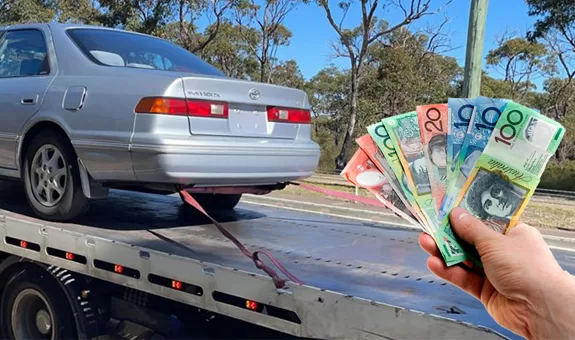
The local car market in Australia has always been influenced by multiple factors, including supply, demand, economic conditions, and consumer behaviour. One trend that has gained attention in recent years is the practice of selling cars for cash. This method of selling vehicles has created noticeable effects on how cars are traded locally, the pricing of second-hand vehicles, and the behaviour of both buyers and sellers. Understanding these impacts can help individuals make better decisions when they are looking to sell or purchase a car.
Increasing Vehicle Turnover
Selling a car for cash often encourages faster turnover of vehicles in the local market. When owners know they can sell their car quickly for a set amount of money, they are more likely to put their vehicle on the market without delay. This increased movement of cars ensures that more vehicles are available to potential buyers, which can prevent stagnation in the market. Cars that might otherwise have remained unused for months find new owners, helping to keep the local market active and diverse.
Effects on Pricing and Market Value
Cash sales have a direct impact on the pricing of used cars. When sellers receive cash for their vehicles, it sets a clear baseline for what cars of a certain model and condition are worth in the current market. Buyers can use these sales as reference points when negotiating prices. In areas where cash sales are common, market values tend to stabilise because there is a transparent record of transaction amounts. This clarity benefits both sellers and buyers, reducing the chances of overpricing or undervaluing vehicles.
Influence on Buyer Behaviour
Cash-based transactions affect buyer behaviour in a few significant ways. Buyers often perceive cars sold for cash as more affordable and straightforward to obtain compared to vehicles purchased through finance or other long-term arrangements. The certainty of a fixed price allows buyers to make decisions quickly, which increases competition among buyers. In turn, sellers may be able to sell their cars faster, even in markets that are generally slow-moving.
Impact on Local Dealers and Trade-In Practices
Dealers also feel the effects of the growing trend of cash sales. Local car dealers must adjust their pricing strategies to remain competitive with cash offers, which often provide immediate value to sellers. This can lead to more realistic trade-in values, as dealers are aware that sellers have the option to bypass traditional sales channels entirely. Over time, this can create a healthier market environment where pricing reflects actual demand rather than inflated expectations.
Visit for more info: https://www.bestcashforcarz.com.au/cash-for-unwanted-cars/
Environmental Considerations
Selling a car for cash can indirectly benefit the environment by encouraging the recycling or repurposing of vehicles. Cars that are sold quickly are more likely to be dismantled or recycled responsibly rather than being left to deteriorate. This practice reduces waste and ensures that materials such as metals and plastics are reused, supporting sustainability within local car markets.
Convenience for Car Owners
For car owners, selling a vehicle for cash simplifies the process of upgrading or replacing their car. It removes the need for lengthy negotiations, advertising, or waiting for a buyer who may not materialise. This ease of transaction allows car owners to plan their purchases and financial decisions with greater certainty.
Integration with Free Car Removal Services
One practical way that selling a car for cash intersects with market efficiency is through free car removal services. These services enable car owners to get immediate cash while ensuring that vehicles are removed from their property quickly. For instance, in Melbourne, some companies offer free car removal along with instant cash payments. This creates a seamless experience for car owners who no longer want their vehicle, while also supplying the local car market with vehicles that can be refurbished, resold, or recycled. It is a solution that naturally connects individual convenience with the broader dynamics of the market.
Conclusion
The practice of selling cars for cash has a clear and measurable impact on local car markets. It increases the turnover of vehicles, stabilises pricing, influences buyer behaviour, affects dealership strategies, and even supports environmental sustainability. For car owners, it offers a direct and convenient way to unlock the value of their vehicles. By understanding these effects, individuals and businesses alike can navigate the car market more effectively, ensuring that transactions are fair and efficient. The presence of cash sale options, especially when coupled with services that remove unwanted vehicles, demonstrates how practical solutions can align with broader market trends.