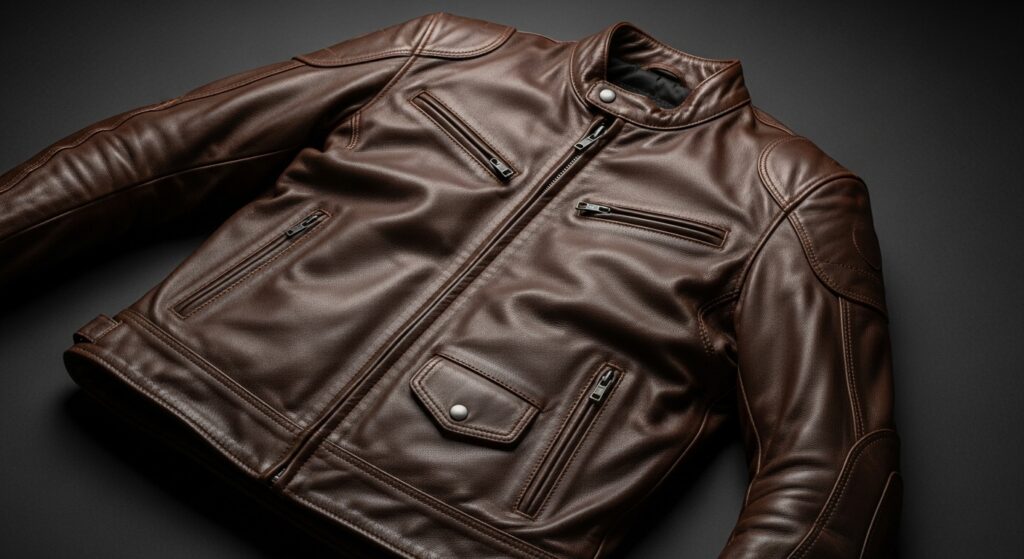
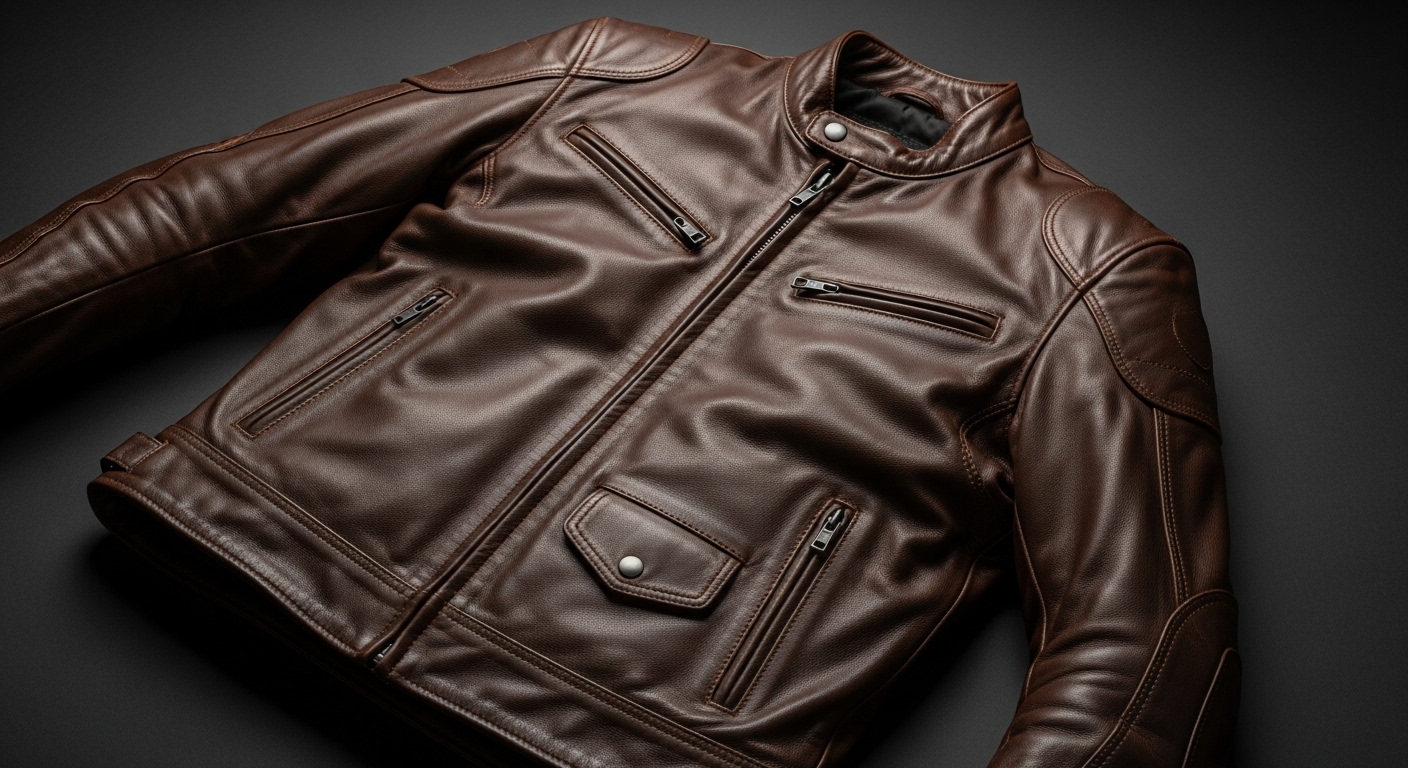
A genuine leather motorcycle jacket remains one of the most recognizable symbols of riding culture, but its purpose extends far beyond style. For decades, motorcycle safety research from organizations such as the National Highway Traffic Safety Administration (NHTSA) and European Committee for Standardization (CEN) has emphasized the importance of abrasion-resistant materials for reducing injury severity. Real leather continues to be one of the most reliable protective layers when engineered correctly.
As modern riders face varying climates, expanded material options, and increased safety standards, choosing the right motorcycle jacket—especially between traditional genuine leather and newer summer-friendly designs—requires more understanding than ever. This article offers expert-level insights to help riders make the most informed decision based on safety, comfort, and long-term durability.
Core Characteristics of Genuine Leather Motorcycle Jackets
A genuine leather motorcycle jacket is crafted from real animal hide, typically cowhide, buffalo, or goatskin. Unlike synthetic leather or textile alternatives, authentic leather naturally offers a dense fiber structure that resists tearing and abrasion during high-impact situations. Multiple studies referenced by road-safety institutions show that high-quality leather can withstand slides of several seconds on asphalt, making it a valuable component in rider protection.
Real leather also forms to the rider’s body, improving comfort over time. It provides inherent thermal insulation, making it ideal for cooler climates. However, leather’s density means it can be less breathable during summer months, leading many riders to explore hybrid options like summer leather jacket motorcycle designs, mesh-leather combinations, and perforated hides engineered for airflow.
The choice between a traditional leather motorcycle jacket and a lighter summer alternative depends largely on climate, riding conditions, safety priorities, and personal comfort.
Safety Factors and Material Performance
Motorcycle jackets are fundamentally safety gear, and the performance of genuine leather continues to be highly respected. Cowhide, in particular, is widely used in protective gear because of its thickness—typically 1.2 mm to 1.4 mm for riding jackets. This thickness provides an optimal balance between flexibility and protection.
Abrasion Resistance
According to long-standing rider safety findings cited by NHTSA, abrasion injuries remain one of the most common types of damage in motorcycle crashes. Leather’s natural fiber density can endure slide times that synthetic fabrics often cannot match unless heavily reinforced.
Impact and Tear Resistance
High-quality jackets also integrate armor components (CE-rated under CEN standards), which absorb impact energy at critical points including shoulders, back, and elbows. CE Level 1 and Level 2 protectors are increasingly standard in modern jackets.
Heat and Friction Protection
During a slide, friction with pavement generates significant heat. Genuine leather tolerates this heat far better than most lightweight textiles, which can melt or burn under extreme friction.
Climate, Breathability, and Summer Riding Needs
Many riders search for a summer leather motorcycle jacket because riding in hot conditions can be challenging. Heat stress is a real concern, something institutions like Harvard Health and the World Health Organization (WHO) have discussed in the context of outdoor physical activity.
Leather in Hot Weather
Traditional leather is less breathable, but modern engineering has introduced multiple solutions, including:
- Perforated leather panels for targeted airflow
- Combination mesh-and-leather designs for ventilation
- Removable liners to adapt to seasonal temperature changes
Textile vs. Leather in Summer
While textile materials often feel more comfortable in high temperatures due to breathability and low weight, they generally require additional reinforcement (such as Kevlar or Cordura) to match leather’s abrasion resistance. Riders in warm climates often alternate between a classic genuine summer leather jacket motorcycle for full-protection scenarios and a lighter summer-specific jacket for daily commuting.
Types of Leather and What Riders Should Know
Understanding the types of leather helps riders choose the jacket that suits their safety needs and comfort preferences. Only a few key points are necessary:
- Cowhide: The most common and durable choice for motorcycle jackets.
- Buffalo Leather: Slightly rougher texture, excellent strength, and high abrasion resistance.
- Goatskin: Lightweight with natural flexibility, suitable for riders who want mobility without sacrificing durability.
- Perforated Leather: Designed for summer airflow without fully compromising safety.
Additional Considerations or Advanced Details
Construction Quality Matters
Stitching strength, seam placement, and panel design significantly influence jacket performance. Double- or triple-stitched seams using bonded nylon thread are essential for impact zones. The highest-risk areas—shoulders, elbows, and upper back—must be reinforced with additional layers.
Fit and Ergonomics
A motorcycle jacket must be snug yet comfortable enough to prevent armor displacement during impact. A loose jacket risks shifting during a slide, reducing its protective benefits.
Maintenance and Longevity
Leather requires conditioned care to maintain its protective properties. Unlike synthetic textiles, genuine leather can last decades if properly maintained. Over-drying or cracking reduces strength, so oil-based conditioners and proper storage are essential.
Common Mistakes or Misconceptions
Many riders misunderstand the performance and limitations of leather motorcycle jackets. Here are some misconceptions clarified:
All leather jackets provide the same protection.
Fashion summer leather jacket motorcycle are not designed for abrasion resistance. Motorcycle-specific leather must meet safety standards and include reinforced construction.
Leather is always too hot for summer.
Modern perforated and hybrid leather designs can be significantly cooler. Jacket performance depends more on design than material alone.
Synthetic materials are always inferior.
Advanced textiles can outperform leather in specific areas like waterproofing or ventilation. However, high-quality leather still offers superior abrasion resistance.
Thicker leather is always better.
Excessively thick leather reduces flexibility and may restrict mobility. Optimal thickness balances movement with protection.
Practical Guidance or Tips
Expert recommendations for choosing the right motorcycle jacket include:
1. Match the jacket to your climate.
Riders in cooler regions benefit most from genuine leather, while hot-climate riders may prefer perforated summer-leather or hybrid designs.
2. Look for CE-rated armor.
Make sure the jacket includes—or allows for—CE Level 1 or Level 2 protectors across all major impact zones.
3. Prioritize fit.
A well-fitted jacket improves safety, comfort, and aerodynamic performance.
4. Inspect construction details.
Check zippers, seams, stitching, and reinforcement panels before purchase.
5. Maintain the leather regularly.
Use conditioners to prevent drying, cracking, and weakening of the material.
Conclusion
A genuine leather motorcycle jacket remains one of the most trusted forms of rider protection, combining durability, abrasion resistance, and long-term comfort. While summer-specific designs continue to evolve with better airflow and lightweight construction, traditional leather jackets still hold their place in safety-oriented riding. Choosing the right jacket depends on understanding the material’s strengths, climate considerations, proper fit, and safety certifications. When selected wisely and maintained correctly, a high-quality leather motorcycle jacket can protect riders for years while adapting to different riding environments.
FAQs
1. Is a genuine leather motorcycle jacket safer than textile?
Yes. Real leather generally offers better abrasion resistance, though high-end textiles with reinforcements can be competitive.
2. Can you wear a leather motorcycle jacket in summer?
Yes—perforated and summer-specific leather designs improve airflow, making them suitable for warm climates.
3. How thick should a summer leather jacket motorcycle be?
Ideally 1.2–1.4 mm for optimal protection without restricting movement.
4. Does leather stretch over time?
Genuine leather conforms to your body with use, improving comfort while maintaining protection.
5. How long does a leather motorcycle jacket last?
With proper care, a real summer leather jacket motorcycle can last 10–20 years or more.
6. Can rain damage a leather motorcycle jacket?
Prolonged soaking can weaken leather; using a waterproofing spray and drying it properly helps protect its integrity.