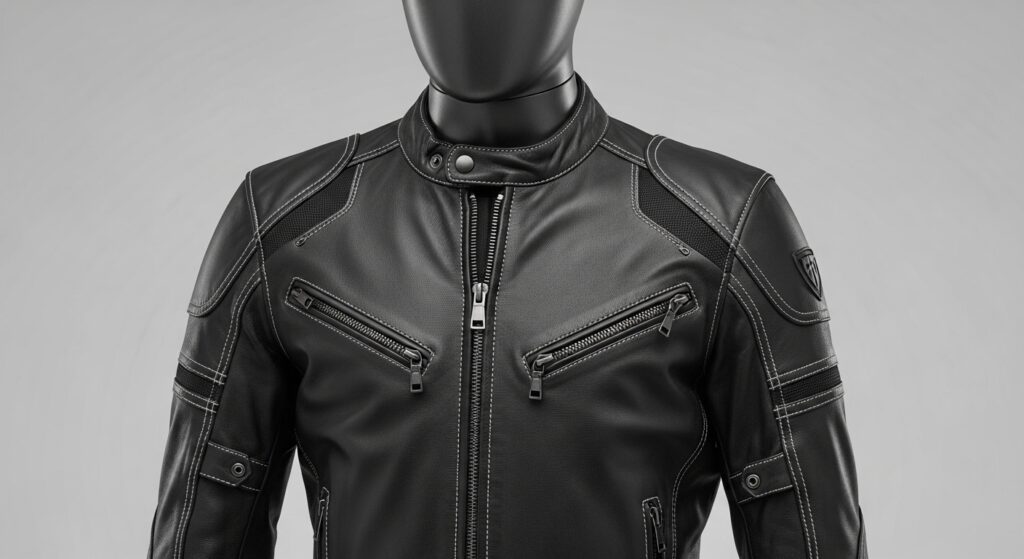
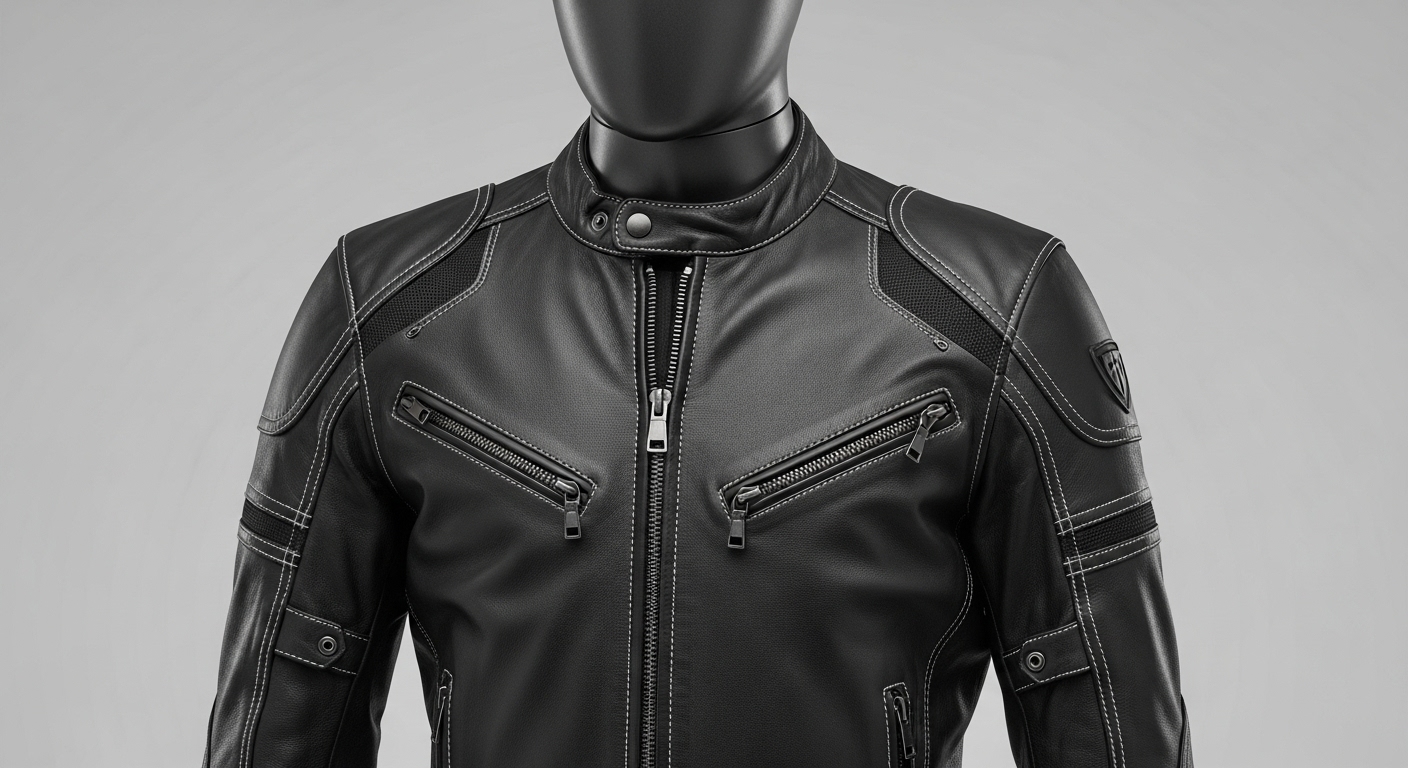
A leather motorcycle jacket is more than a fashion statement; it is a critical piece of safety gear for riders worldwide. While motorcycles offer freedom and speed, they also present significant risks in terms of abrasions, impacts, and weather exposure. Recognized institutions, including the National Highway Traffic Safety Administration (NHTSA), emphasize protective clothing as a key factor in reducing injury severity in motorcycle accidents. This article explores the intricacies of summer leather jacket motorcycles, offering expert-level insights into their construction, functionality, and usage.
Understanding Leather Motorcycle Jackets
Genuine leather motorcycle jacket are crafted primarily from cowhide, buffalo, or goatskin, selected for their durability and abrasion resistance. Studies referenced by road safety organizations indicate that high-quality leather can withstand friction and tearing during slides on asphalt, providing essential protection in accidents. Compared to textile jackets, genuine leather exhibits higher tear resistance and impact absorption while forming naturally to the rider’s body over time, enhancing comfort.
The design of a leather motorcycle jacket incorporates multiple protective elements, including reinforced stitching, armor pockets, and strategic paneling. The thickness of leather—typically between 1.0mm and 1.4mm for standard jackets—strikes a balance between mobility and safety. Summer leather jacket motorcycle, ranging from 0.8mm to 1.0mm, offer enhanced ventilation without significantly compromising protection, making them suitable for warm climates.
Key Features and Construction Techniques
Expert riders often prioritize construction quality and material over aesthetic design. Key features include:
- Abrasion-Resistant Leather: Full-grain or top-grain leather is preferred for maximum durability.
- Protective Armor: CE-certified armor inserts at shoulders, elbows, and back areas provide impact absorption.
- Ventilation Systems: Perforated panels and adjustable vents improve airflow for summer riding.
- Ergonomic Fit: Pre-curved sleeves and adjustable waistbands enhance mobility and reduce fatigue.
These features reflect a blend of traditional craftsmanship and modern safety technology, demonstrating the importance of selecting jackets that comply with recognized safety standards.
Choosing Between Genuine Leather and Lightweight Options
Selecting the appropriate jacket depends on riding style, climate, and intended use. Genuine leather motorcycle jackets are ideal for touring and high-speed riding due to their superior abrasion resistance. Summer leather jackets, while thinner and more breathable, still maintain core protective qualities and are suitable for city commuting or casual riding. Institutions like the European Committee for Standardization (CEN) provide guidelines for protective gear, helping riders understand safety compliance in Europe, which is indicative of rigorous manufacturing standards worldwide.
Material Comparison
- Cowhide: Durable, widely available, excellent abrasion resistance.
- Goatskin: Softer, more flexible, slightly less abrasion-resistant.
- Buffalo Leather: Tough, heavy, ideal for long-distance protection.
Common Misconceptions
Riders often underestimate the protective role of summer leather jacket motorcycle, treating them primarily as fashion items. Common misconceptions include:
- Assuming all leather jackets offer the same level of protection.
- Believing lightweight jackets are unsafe in accidents.
- Ignoring armor placement and coverage during selection.
Avoiding these mistakes involves understanding material properties, thickness, and certification standards, ensuring informed purchasing decisions.
Practical Guidance and Tips
To maximize safety and comfort:
- Prioritize Fit: A snug, ergonomic fit reduces jacket movement during impact.
- Check Armor Placement: Ensure CE-approved inserts are positioned at critical points.
- Consider Climate: Choose perforated or summer jackets for hot weather without compromising protection.
- Maintenance: Regularly condition leather to prevent drying and cracking.
- Layering: Use moisture-wicking base layers for comfort during long rides.
Additional Considerations
Advanced riders often seek jackets with modular designs, allowing armor customization and attachment of thermal liners. Incorporating reflective elements improves night visibility, aligning with road safety best practices. These enhancements exemplify the combination of style, comfort, and safety in modern motorcycle apparel.
Summary
Leather motorcycle jackets remain an essential component of rider safety, blending durability, impact resistance, and comfort. By understanding material properties, design features, and certification standards, riders can select jackets tailored to their needs. Whether opting for a lightweight summer leather jacket or a full-fledged genuine leather motorcycle jacket, informed choices ensure optimal protection and enhance the riding experience.
FAQs
Are all leather motorcycle jackets equally protective?
No, protection varies by material quality, thickness, and armor inclusion.
Can a summer leather jacket provide sufficient safety?
Yes, if it incorporates high-quality leather and proper armor, even lightweight jackets offer adequate protection.
What does CE certification mean for motorcycle armor?
It indicates the armor meets European safety standards for impact absorption.
How do I maintain a genuine leather motorcycle jacket?
Regularly clean and condition the leather to prevent cracking and wear.
Is leather better than textile for motorcycle protection?
Leather generally offers superior abrasion resistance, though high-quality textiles with armor can also be effective.
Should I prioritize style or safety when choosing a jacket?
Safety should be the primary concern, with style as a secondary consideration.