The bathing gadget is the unsung hero of the modern-day household. It works tirelessly behind the curtain, tackling the entirety from grass-stained soccer jerseys to delicate linens. But, due to the fact that it is tucked away in a laundry room or basement, it is primarily a “set it and forget it” appliance—until something goes wrong. A breakdown doesn’t simply imply a pile of damp laundry; it frequently results in high-priced emergency upkeep or the premature need for a replacement.
Most modern-day machines are designed to last between 10 and 14 years, but without proper care, that lifespan can be cut in half. The good information? You do not need to be a mechanic to hold your equipment in top form. By following those five simple renovation recommendations, you may ensure your washing system runs successfully for years to come.
1. Don’t Overload the Drum
It’s far tempting to cram as much as feasible right into a single load to save time and energy. But, overloading is one of the quickest methods to damage your gadget’s inner components. While a system is overstuffed, the heavyweight places enormous pressure on the motor, the force belt, and the bearings.
Furthermore, an overfilled drum prevents the clothes from transferring freely. This indicates the detergent can’t circulate well, and the rinse cycle won’t correctly eliminate cleaning soap suds. Over time, the immoderate vibration caused by an unbalanced, heavy load can lead to misalignment of the drum.
2. Use the Right Type and Amount of Detergent
There’s a common misconception that extra bubbles are identical to purifier clothes. In fact, too much detergent is an enemy to your washing device. Contemporary high-performance (HE) machines use notably less water than older fashions, which means they require specialised HE detergent that produces fewer suds.
If you use regular detergent or surely an excessive amount of the right kind, the excess suds create a “sud-lock” that can damage the pump and sensors. Extra importantly, excess soap leaves behind a movie that traps dust and bacteria, leading to that “musty” odour or even mould growth in the outer bath. Always observe the producer’s suggestions on the detergent bottle and the device’s guide.
3. Smooth the Gasket and Door Seal
In case you have a front-loading washing machine, the rubber door gasket is the prime spot for mould, mildew and smell to thrive. The tight door seal that prevents leakage also traps moisture frequently in the folds of the rubber after the washing cycle is over.
To help you with the prevention of this problem:
- At the end of each washing, dry the rubber seal with a towel so that the water that is not absorbed is removed.
- Do not close the door: this is arguably the easiest preservation advice. Retaining the door open for an hour or two after a load allows air to circulate and dries out the indoors.
- Take a look at the folds of the gasket for small gadgets like cash, hair ties, or socks, that may tear the rubber and cause leaks.
4. Inspect and Clean the Drain Filter
Did your washing device have a clear-out designed to trap lint, hair, and small particles? The majority don’t recognise that this filter exists until the machine stops draining properly. A clogged filter forces the pump to work harder, which could cause motor burnout.
In most front-loading machines, the clear-out is positioned in the back of a small hatch at the bottom front of the unit. Every few months, vacuum a shallow tray or towel on the ground, open the hatch, unscrew the filter, and provide it a thorough rinse underneath warm water. You’ll be amazed—and perhaps a chunk disgusted—at what you locate stuck in there!
5. Test the Hoses Regularly
The hoses connecting your gadget to the wall are under regular water pressure. Through the years, these hoses can expand cracks, bulges, or leaks. A burst washing machine hose can unload hundreds of gallons of water into your house in a matter of minutes, leading to catastrophic flood damage.
Take a look at your hoses at least twice a 12 months. Look for any signs and symptoms of damage and tear, and make sure the connections are tight. Most specialists advise replacing general rubber hoses with stainless-steel braided hoses every five years, as they are much more resistant to bursting.
The Hidden effect of tough Water
Depending on where you stay, the mineral content of your water can play a significant role in your system’s health. Limescale buildup makes the system less green and might finally cause the heating detail to fail totally.
If you live in an area with hard water, keep in mind the usage of a water softener or running a monthly descaling cycle with white vinegar or a devoted device cleanser. This continues the internal “veins” of your appliance, clear and flowing.
Conclusion
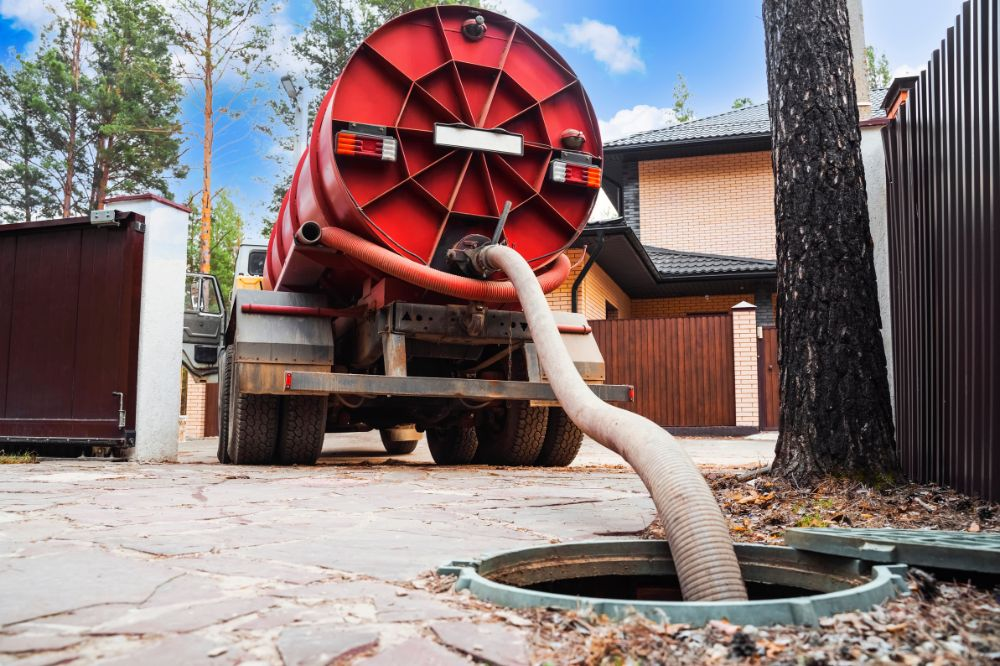
Expert intervention is essential to ensure your property’s infrastructure is helping your home equipment instead of hindering it. For those residing in regions with complex urban plumbing, including the Swedish capital, specialised assistance is frequently required for those deeper drainage troubles. If you locate that your laundry troubles are stemming from a stubborn clog or a backup for your primary lines, you may rely upon the expertise of Spolbilarna to clear the way and keep your household running smoothly.